The Impact of Rising Costs in the C Market and What Might Be the “New Normal” of Coffee Prices
by Aliisa Oake
After the first majorly reported market shift in the coffee C Market in 2025, there’s been talk of a “new normal” and what’s expected for the future of green coffee prices. Market shifts have been observed all over the world and rising costs are felt on global levels.
When analyzing the impacts of prices in the coffee industry, it’s clear that prices have been gradually increasing in 2026. In addition, market volatility, unfavorable weather conditions, and supply constraints have created foundational shifts in coffee farming communities and have created even more challenges for coffee producers.
But why are coffee prices rising so much? What do these shifts in roasted coffee prices mean beyond a financial standpoint?
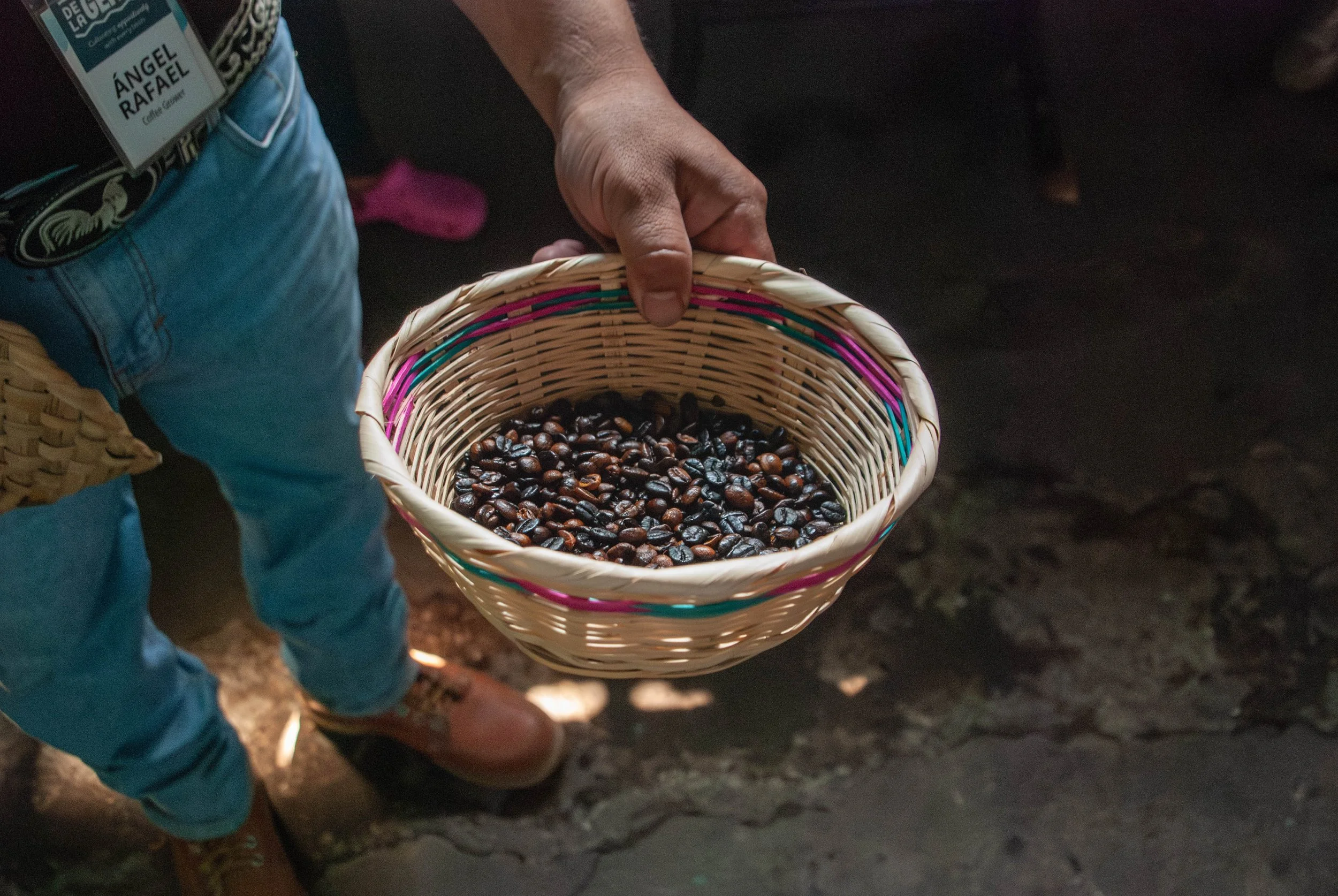
Freshly roasted coffee — coffee farm tour with the Coffee Growers of San Miguel Escobar in Antigua Guatemala
A Brief Recap on What the Coffee C Market is and Why it Matters
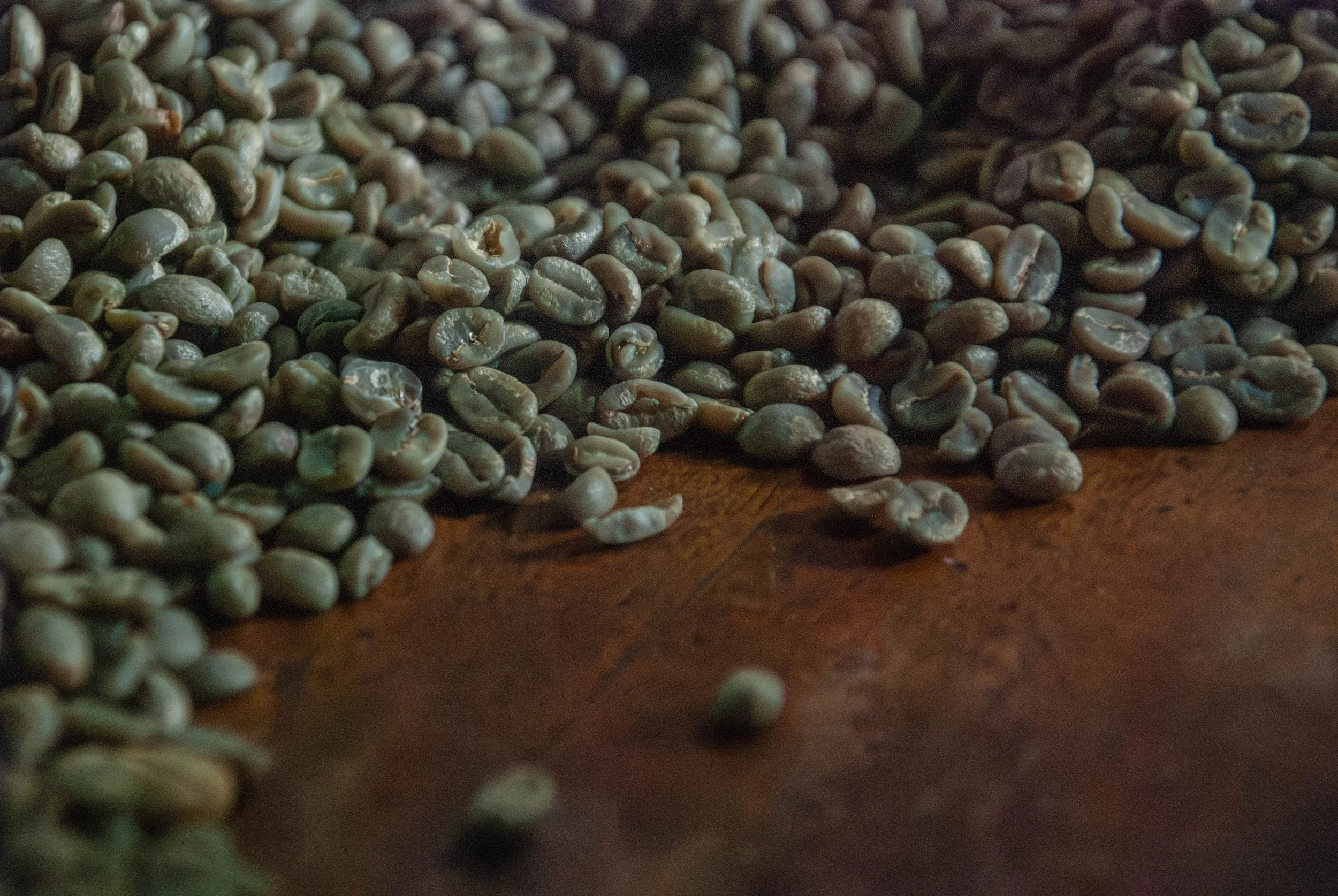
Green coffee beans
Let’s quickly recap what the C Market is before diving into some of the reasons behind recent market shifts.
Simply stated, the coffee C Market is the global commodity exchange or marketplace where unroasted, green Arabica beans are brought and sold. It sets a daily base price per pound of Arabica green coffee beans, referred to as the C-price and is operated by the Intercontinental Exchange (ICE) in New York. Price fluctuations are very common and are based on supply and demand levels. The reason behind price fluctuations are the hedge funds and investment firms who heavily trade coffee futures, or speculative prices. In recent months, they’ve been betting on higher prices due to lower supply levels — rapidly increasing the C Market price and creating a highly volatile market.
The C Market matters because it acts as a benchmark for green coffee prices, which influences the entire industry — from the income levels of small-scale coffee producers around the world to the final roasted coffee price paid by consumers. The downside of this exchange is that there is a great imbalance in the coffee supply chain for producers. As mentioned in our previous article, Pricing Arabica Coffee Beans: A Consumer’s Guide to the Coffee C Market, the high volatility levels involved in this pricing system have a negative impact on the producing side of the supply chain. Oftentimes, coffee producers get paid very low prices that fall below the cost of production and aren’t properly compensated for the quality of their product and the hard work involved — which is something that De La Gente has worked to change.
Why Have Roasted Coffee Prices Increased in 2026? What Changed in the Coffee Market?
Several factors have contributed to the increase in roasted coffee prices in 2026. The most apparent is the ripple effect from the rise in green coffee prices and roasters or coffee shops needing to raise prices to balance out their spendings in order to make an income. Naturally, where there is a price increase in one stage of the supply chain, in this case green coffee, there must be an adjustment in the cost of the final product, which is roasted coffee.
But what changed in the coffee market that is driving the price increases in 2026? The answer to this question lies in the coffee fields.
Continued weather-related issues are a large concern for coffee producing countries because coffee plants, especially the higher quality Arabica variety, require specific growing conditions with stable temperatures and consistent rainfall patterns in order to thrive. The region along the equator where coffee is grown, known as the Coffee Belt, is currently experiencing extreme heat, erratic rainfall, and an increase in pests due to environmental changes. This impacts the quality of coffee and also poses a threat to coffee harvest levels.
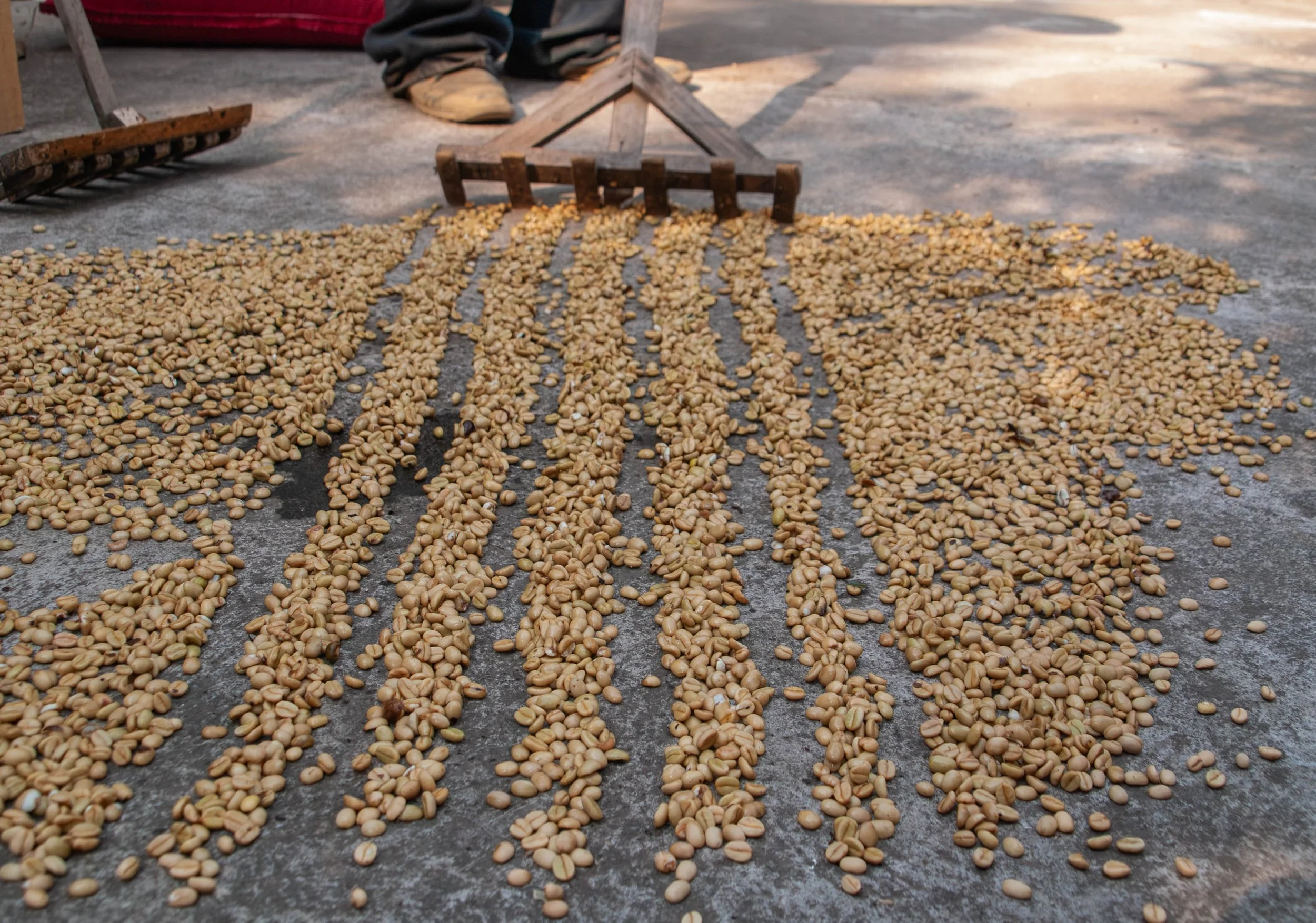
Coffee producer from the Coffee Growers of San Miguel Escobar Cooperative drying coffee beans — washed processed coffee beans
Furthermore, recent geopolitical conflict regarding the way in Iran is making coffee production more expensive. According to the World Bank, it’s predicted that energy prices will surge by 24% this year to their highest level since 2022. These rising costs for fuel impact transportation fees required for the shipment of green coffee beans, which add more pressure to the already narrow margins in the supply chain. Commodity prices are also predicted to rise by 16%, which have been heightened by the increase in energy and fertilizer prices. Input costs for items like fertilizers, insecticides or fungicides used for pest disease prevention, and other coffee growing materials are rising and pose threats for both the future supply of coffee and the livelihoods of small scale coffee producers.
Coffee Market Shifts in 2026 and Its Impact on Coffee Producers
The C Market in 2026 reflects a new reality in which climate pressure, tighter margins, and uncertainty are becoming a more prominent and permanent part of the industry.
The recent price spikes in the C Market are different from previous years because it’s driven by deeper structural constraints rather than a more commonly occurring short-lived market shift seen before 2025. The most prominent factor creating market disruptions are weather related and based on weather patterns in major producing countries like Brazil and Vietnam. With these countries being the largest suppliers of coffee on a global scale, decreases in their harvest levels impact the C Market greatly – making the market more vulnerable to climate-related issues.
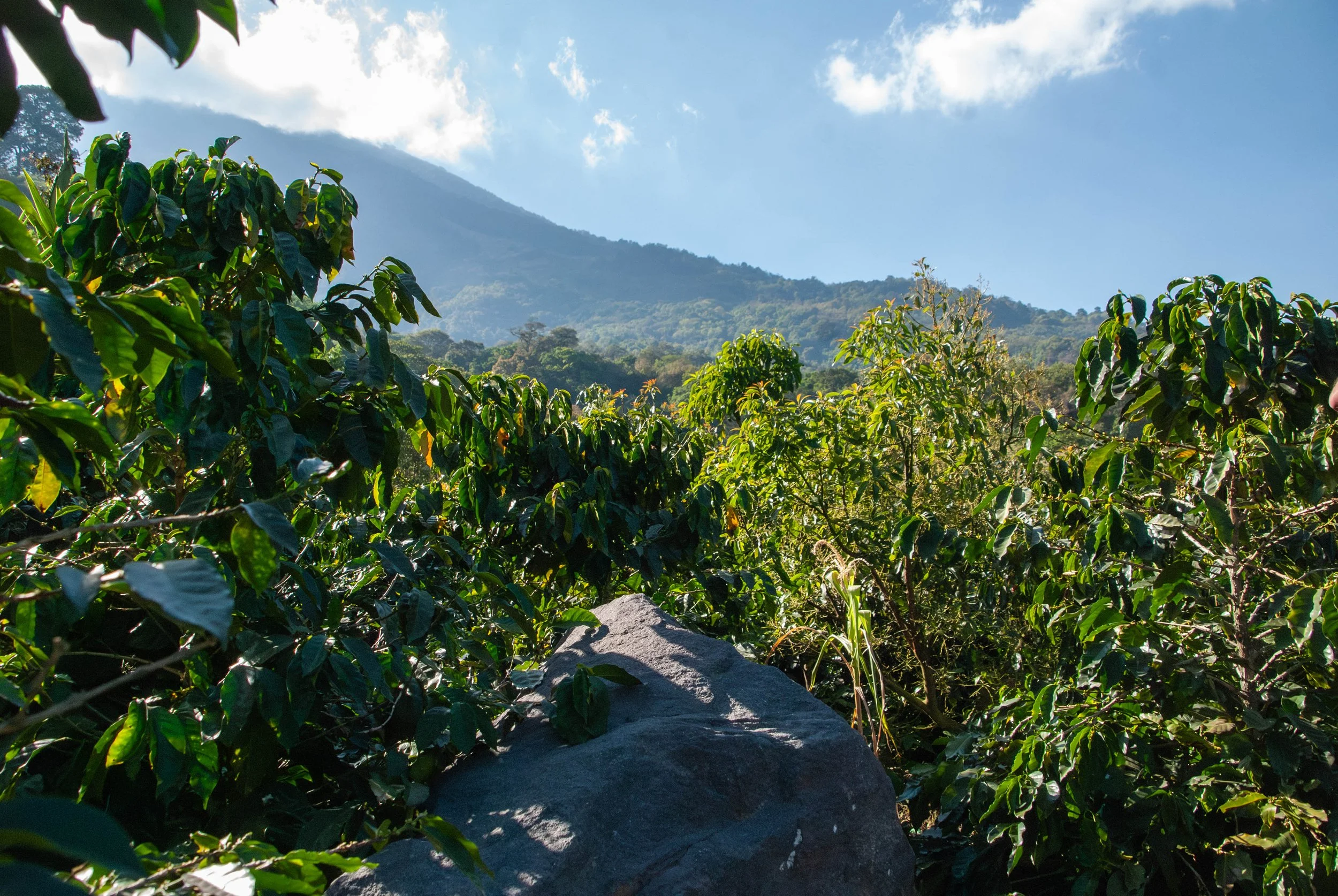
Coffee fields in the Atitlán coffee growing region of Guatemala — Ija’tz Cooperative
For small scale coffee producers in Guatemala, the impact of the C Market changes are felt differently. Although there are higher prices being paid for green coffee beans on a global scale, this doesn’t necessarily mean producers obtain a greater income. Small scale producers also don’t have the same capabilities to be able to withstand the impacts of price volatility levels in the same ways that producers who are part of larger operations can, due to small scale producers having limited access to credit, insurance, and financial tools. The factors impacting coffee producers – mainly being the costs of labor, fertilizer, transportation, and farm maintenance have risen – and have created even more financial constraints and less room for growth. Additionally, when input prices or harvest conditions change, they need to carry more of the risk themselves. On top of this, the payment they receive for their crop happens only once a year, which they depend on to cover production costs for the next year’s harvest along with being able to sustain their family. Small scale coffee producers face incredible levels of uncertainty and many make decisions with extra levels of precaution, causing them to feel like they’re constantly walking on egg shells.
Where Coffee Prices and Supply May Go From Here
The C Market is expected to continue to head in a volatile direction in the future, creating a new normal to this price range. Climate related supply pressures aren’t disappearing, which is a challenge that requires the support from all players of the industry. On the purchasing side, buyers and roasters are adjusting to the more volatile pricing environment. Uncertainty related to green coffee purchases are shaping purchasing decisions as buyers make more cautious decisions earlier on.
At De La Gente, we know the importance and the impact generated by creating opportunities for producers that strengthen their resilience and support the long-term sustainability of their work. In our relationship-based trade system, transactions are driven by trust, long-term connections, and actively communicating with our partner coffee producers. This approach diminishes the impacts of the C market by promising more stable prices and technical support. Through our partnerships created with both producers and buyers, we set mutual agreements on prices and export quantities before the harvest season ends, where producers are paid before coffee arrives in the U.S. – creating a more stable supply chain and a more equitable distribution for everyone involved.
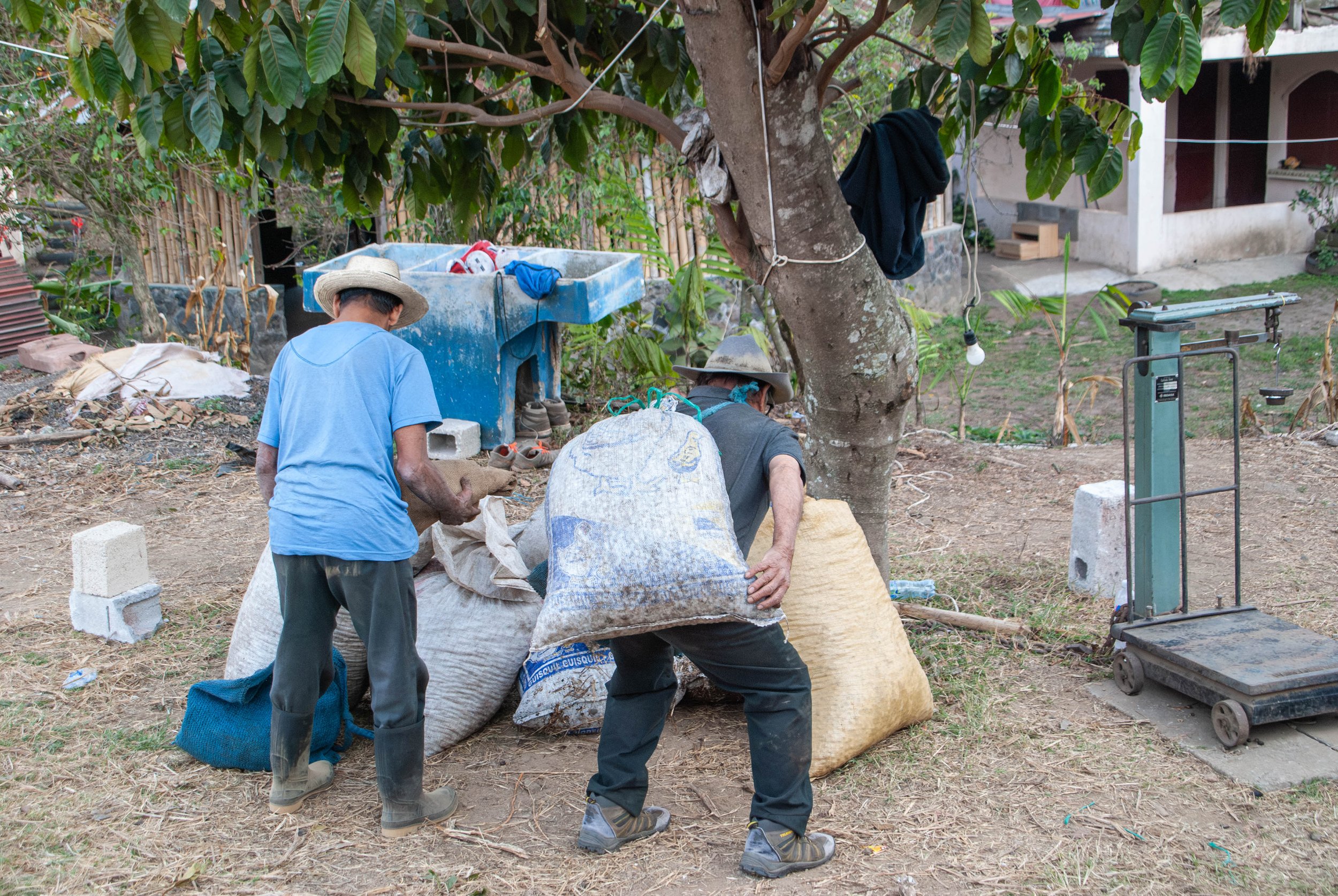
Coffee producers from Ija’tz Cooperative carrying harvested coffee beans in Guatemala
This moment is an opportunity to move beyond the green coffee prices declared by the C Market. To create a stable market, it’s important for buyers to build stronger relationships with producers through long-term sourcing strategies and working with producers to invest in their farms. Long-term sourcing strategies are beneficial on all levels of the industry. Producers feel more confident in their future plans to implement projects, expand their farms and abilities, and continue producing quality coffee. When producers are paid better and more consistently, consumers and buyers also benefit from a superior, traceable coffee that will remain available in the future.
There are many possibilities of what’s next for the C Market and coffee supply levels on a global scale, but there’s one overarching way to move forward: recognizing the value that coffee holds beyond the financial side. Behind every bag of roasted coffee are years of generational knowledge, hard work, and care. Prioritizing value across the coffee supply chain means recognizing the quality of coffee as a result of the people involved in its production and the places it comes from. Sourcing coffee intentionally and creating an awareness of what’s involved in coffee production and what’s needed by coffee producers will assist in securing coffee’s viability while balancing environmental health, economic stability, and social equity.
