

by Aliisa Oake
When weather patterns change, impacts are felt by the environment, along with surrounding communities and people around the world.
Guatemala’s climate patterns are generally consistent, with the dry season taking place from November to April and the rainy season being from May to October. This provides farming communities with seasonal weather patterns that support various crops and their associated plant growth cycle. In coffee cultivation, seasonal cycles serve as signals for coffee plants and indicate when the right time is to flower, develop coffee cherries, and be harvested. The weather patterns and geography in coffee growing countries like Guatemala naturally shape how coffee can be grown.
Changing weather patterns have been occurring on a global scale, driven heavily by the El Niño event in the Pacific Ocean. In Guatemala specifically, related weather conditions are contributing to agricultural losses and an increased pressure on food security. Lack of adequate rainfall is creating water stresses that place additional strains on farming communities, in turn creating supply disruptions in Guatemala’s coffee industry and contributing to decreased coffee harvest levels around the world. As a whole, unpredictable weather patterns create a chain reaction felt by the ecosystem and societies.
But when weather patterns change, how exactly do those changes affect coffee farms? How can weather-related challenges create supply chain disruptions in coffee, and what role can long-term supplier relationships play in navigating these challenges?
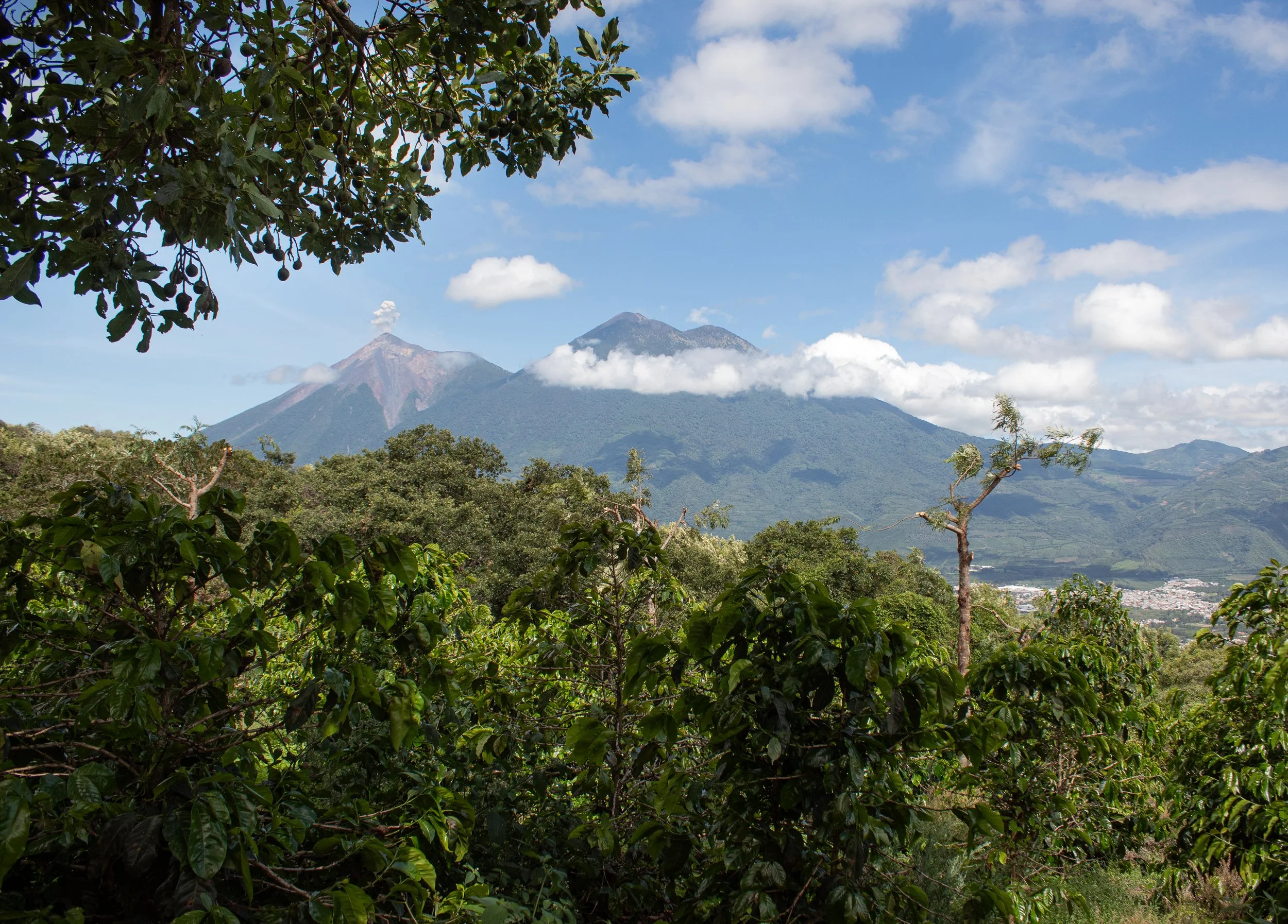
Coffee farms on the slopes of Volcán de Agua in the Antigua coffee growing region of Guatemala
An Overview of Recent Changes in Guatemala’s Weather Patterns
If you were to analyze weather patterns in Guatemala over the years, you’d see that there are slight variations, but larger climate-related sequences have occurred. These weather-related events influence rainfall levels, timing of when rainfall arrives, and the ways temperatures fluctuate. One of these weather patterns is a phenomenon known as El Niño. This recurring phenomenon is characterized by a climate cycle that is create through the unusual warming of surface water temperatures in the Central and Eastern Pacific Ocean. When normal winds slow down and the warmed ocean water shifts back towards North and South America, abnormal surface heat levels change the air pressure and create storm clouds. The outcome of these occurrences create abnormalities in weather patterns around the world, such as heavy rainfall, droughts, and higher temperatures. Weather patterns related to El Niño are typically experienced every two to five years, with the last strong El Niño event occurring in 2015 - 2016.
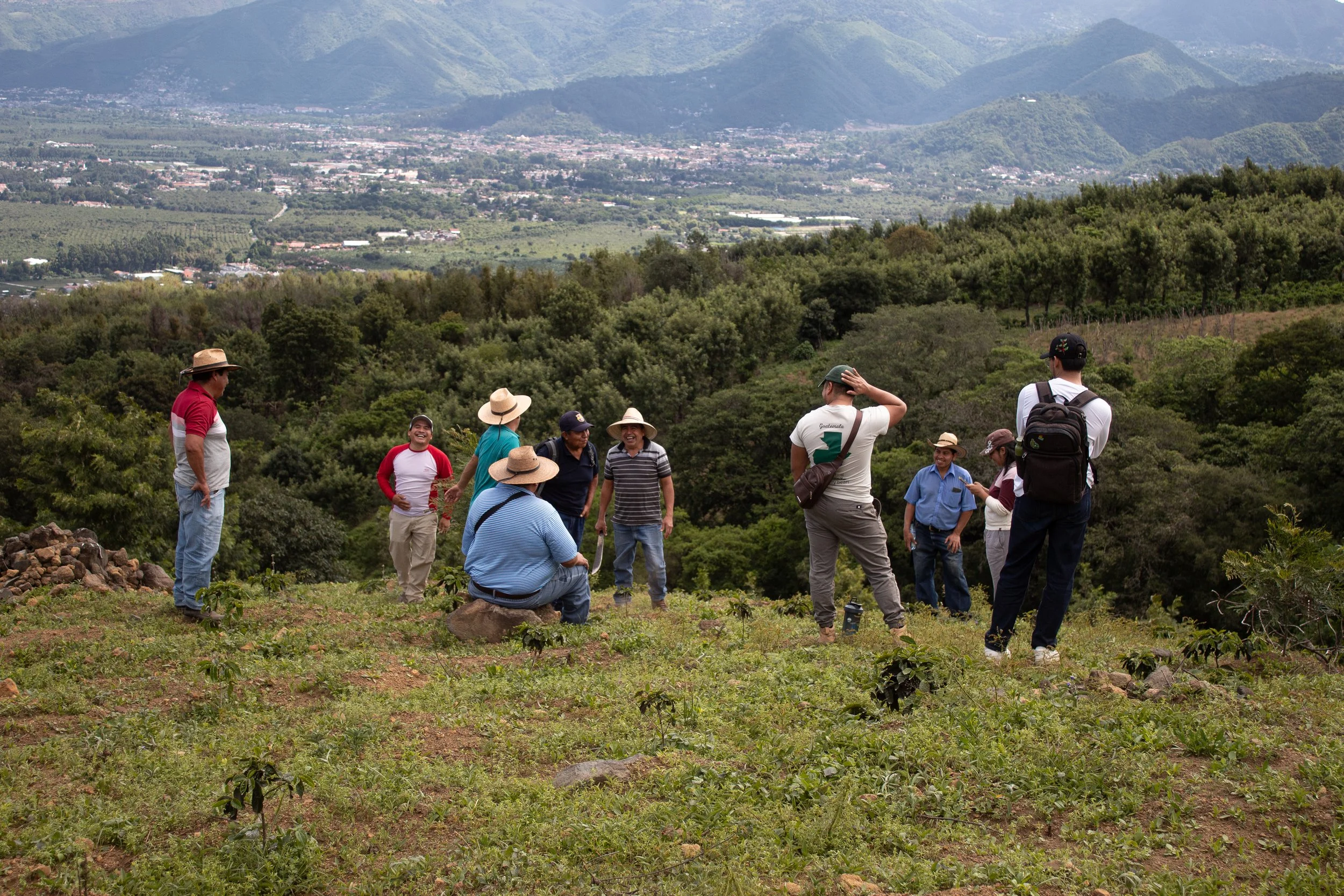
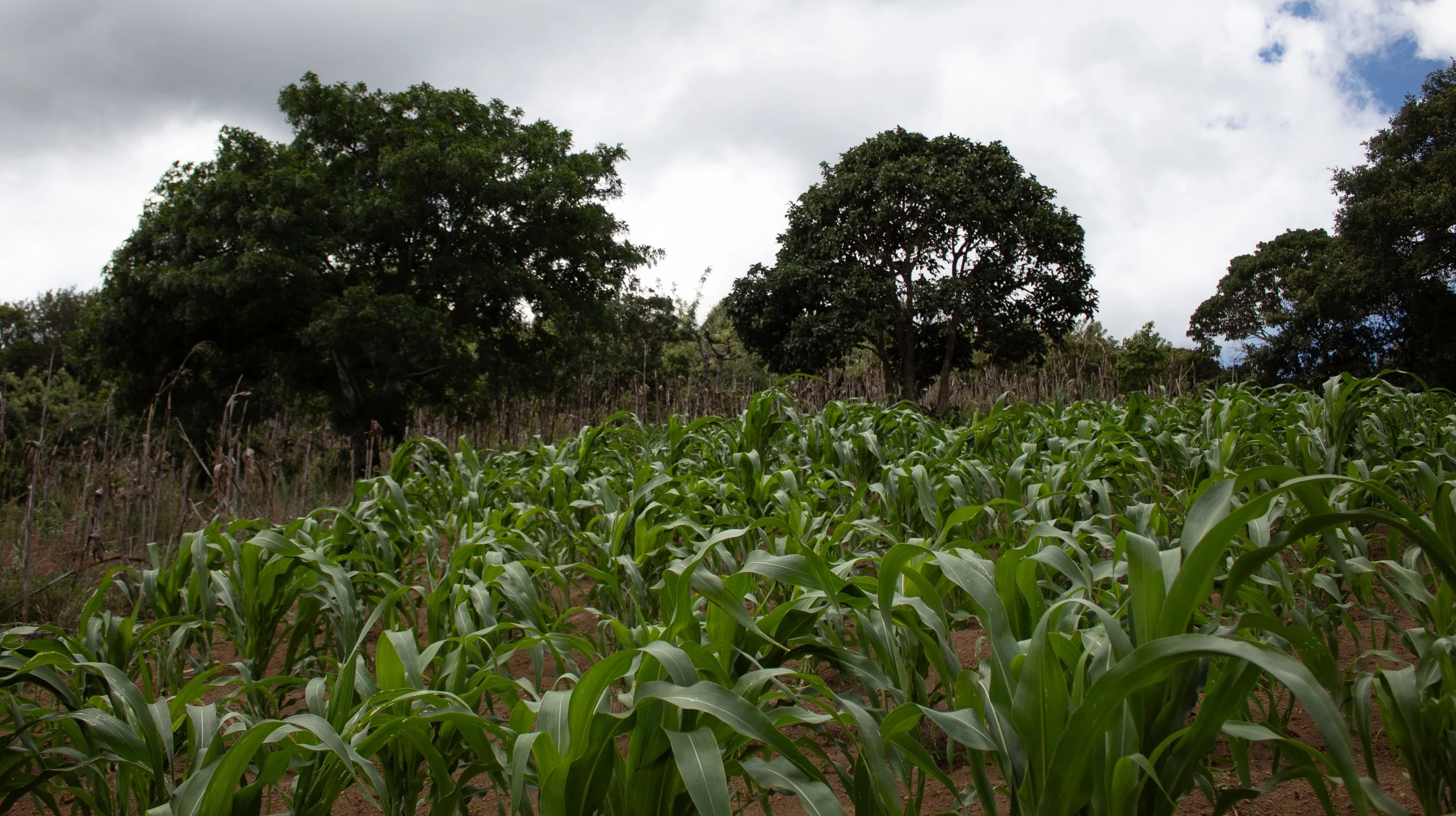
In Central America, the weather patterns created by El Niño are contributing to warmer and drier conditions in different countries. Typical rainy seasons were faced with reduced precipitation levels — a weather condition that is heavily relied upon by farming communities. Various communities in Central America are currently facing drought levels that are contributing to severe agricultural losses and increasing food insecurity rates. In Guatemala, the climate patterns naturally vary due to the country’s diverse elevation levels. But, some regions are currently experiencing drought and increasing temperatures, creating risks involving reduced water levels and wildfires. Other regions are experiencing the opposite, with extreme localized storms creating flooding, land erosion, and building collapses within communities. Farming communities depend on consistent rainfall for coffee farms and other crops, so as weather patterns become unpredictable, farmers are facing greater uncertainty levels about what each growing season will bring, and how they can best support the plant growth cycle of their crops.
The Importance of Water for the Coffee Plant Growth Cycle
The coffee plant growth cycle depends on a delicate balance of rainfall, temperature, soil conditions, and elevation — all factors that rely on seasonal weather patterns. Adequate moisture in the soil created by rainfall levels is required by coffee plants to survive. Moisture allows plants to absorb nutrients from the soil to support healthy growth, defend against diseases, and support the development of coffee cherries, in turn producing high-quality coffee beans.
A mature coffee plant follows the rhythm of the seasons, which are dictated by weather patterns like alternating wet and dry periods. At the end of the dry season in Guatemala, taking place after the harvest season, coffee plants are at a brief period of rest. The first heavy rains of the wet season, trigger a synchronized bloom of white coffee flowers, which only lasts for a few days. As pollinated flowers drop, tiny green nodes appear on branches, which form the foundation for green coffee cherries. The rainy season is a time for cherry development during the plant growth cycle. During the humid, wet months, green cherries expand and develop alongside a growing coffee plant. The increased water availability during the rainy season is especially important for coffee plants because they have somewhat shallow root systems, so they can’t draw water deep from the ground. As the season shifts towards dry season, cooler weather returns and the cherries stop growing in size and change color from green to a deep, vibrant red. Finally, during the peak of the dry season, coffee cherries fully ripen, indicating the start of harvest season where coffee cherries are carefully hand-picked and processed.
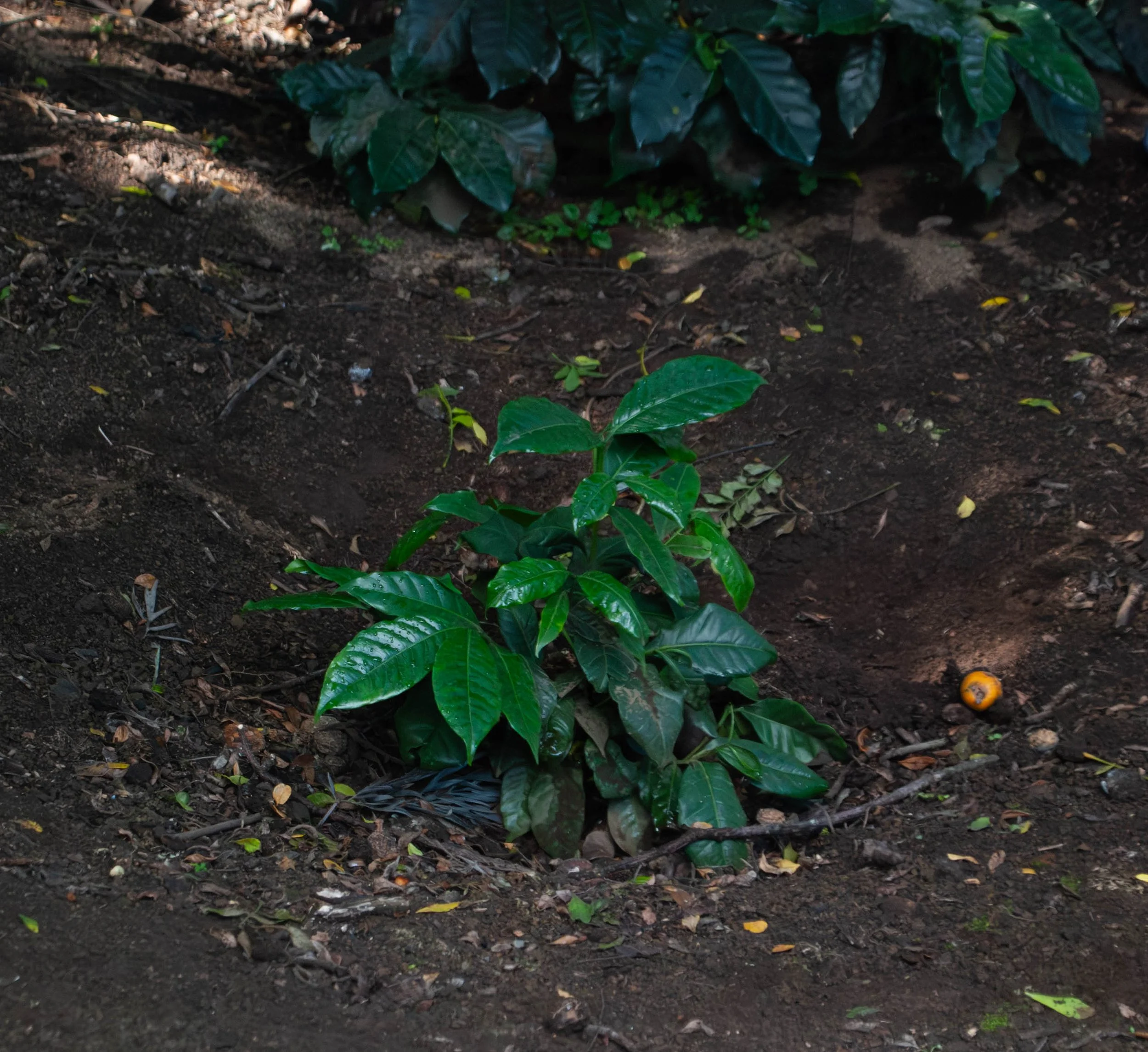
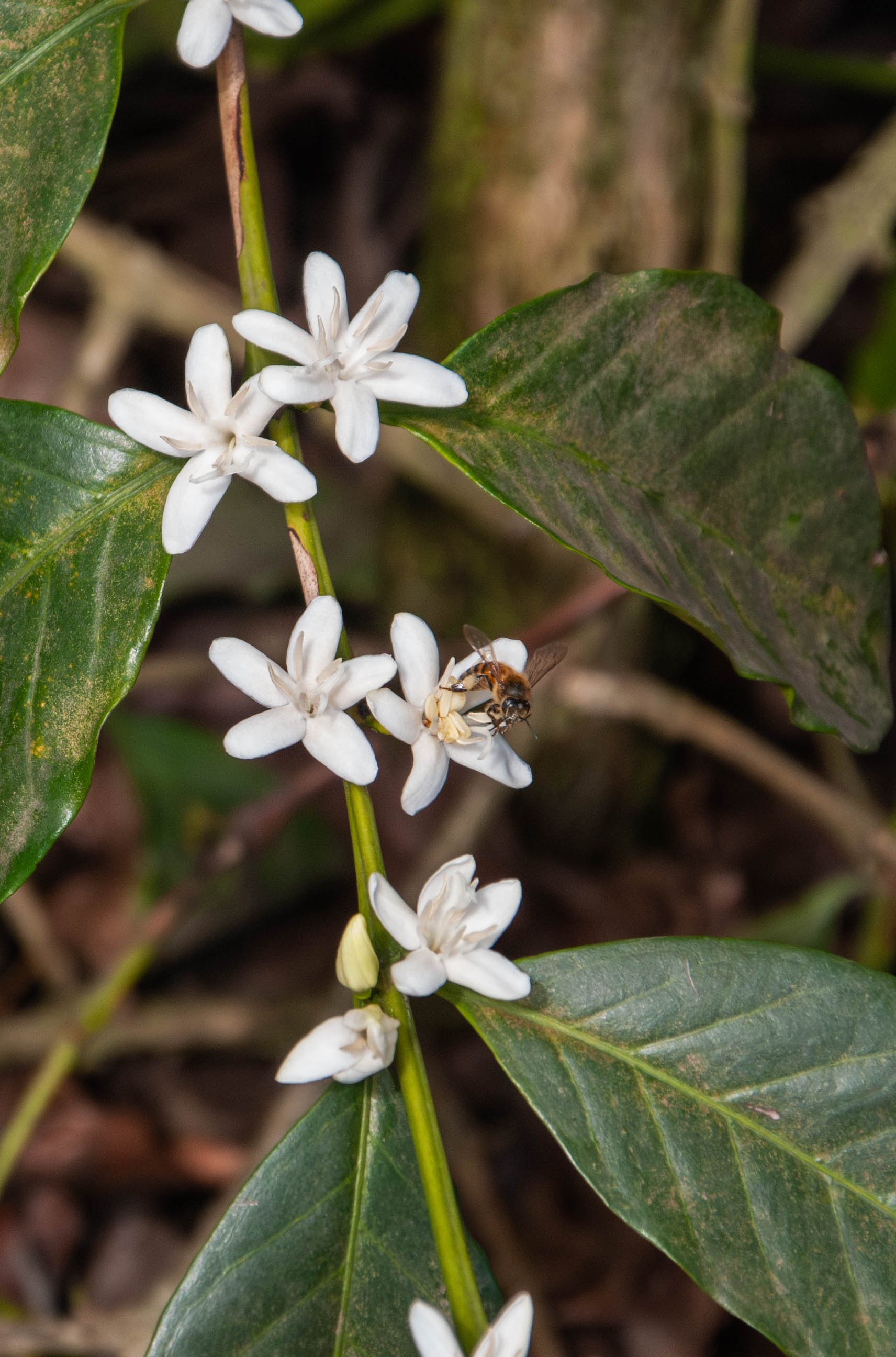
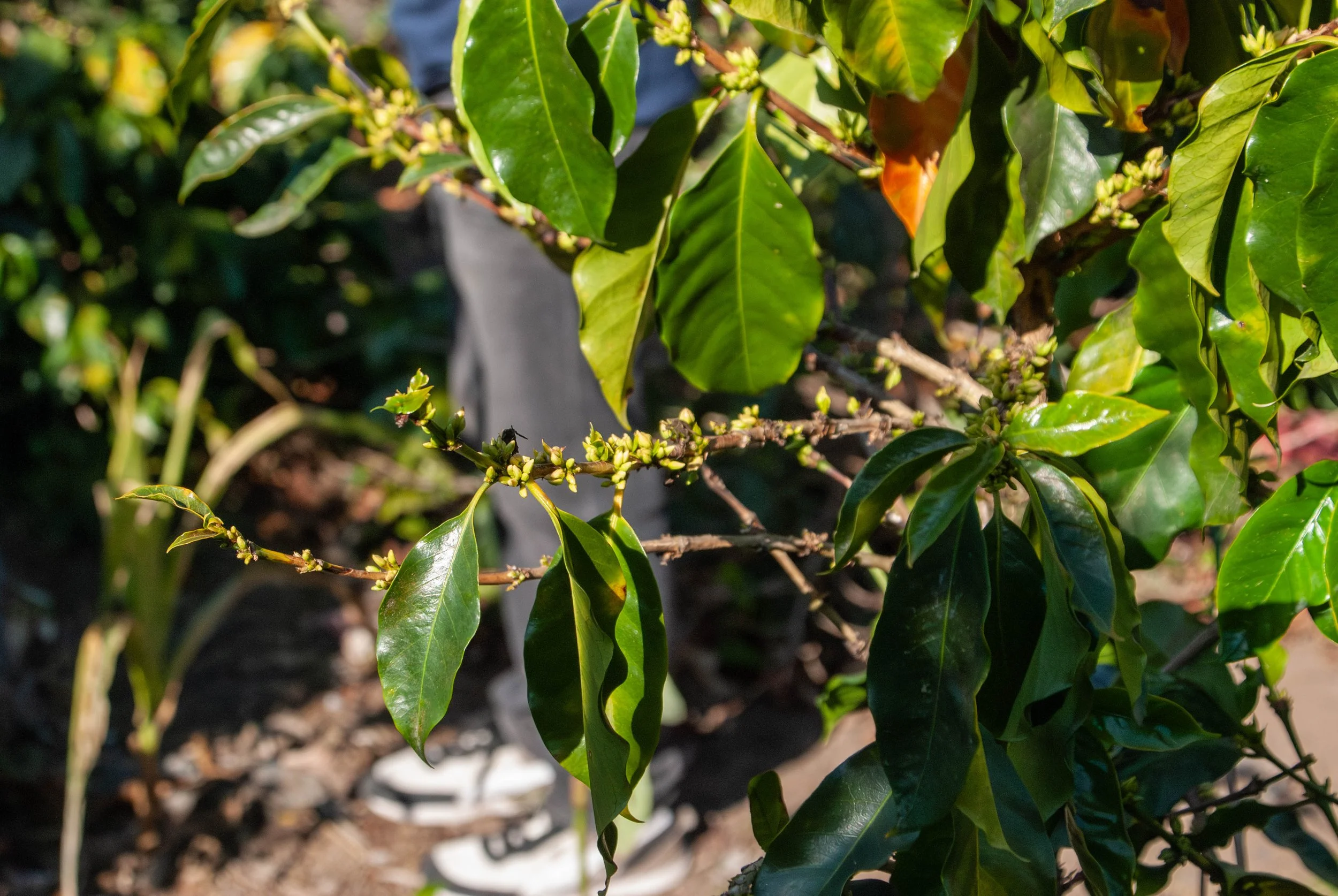
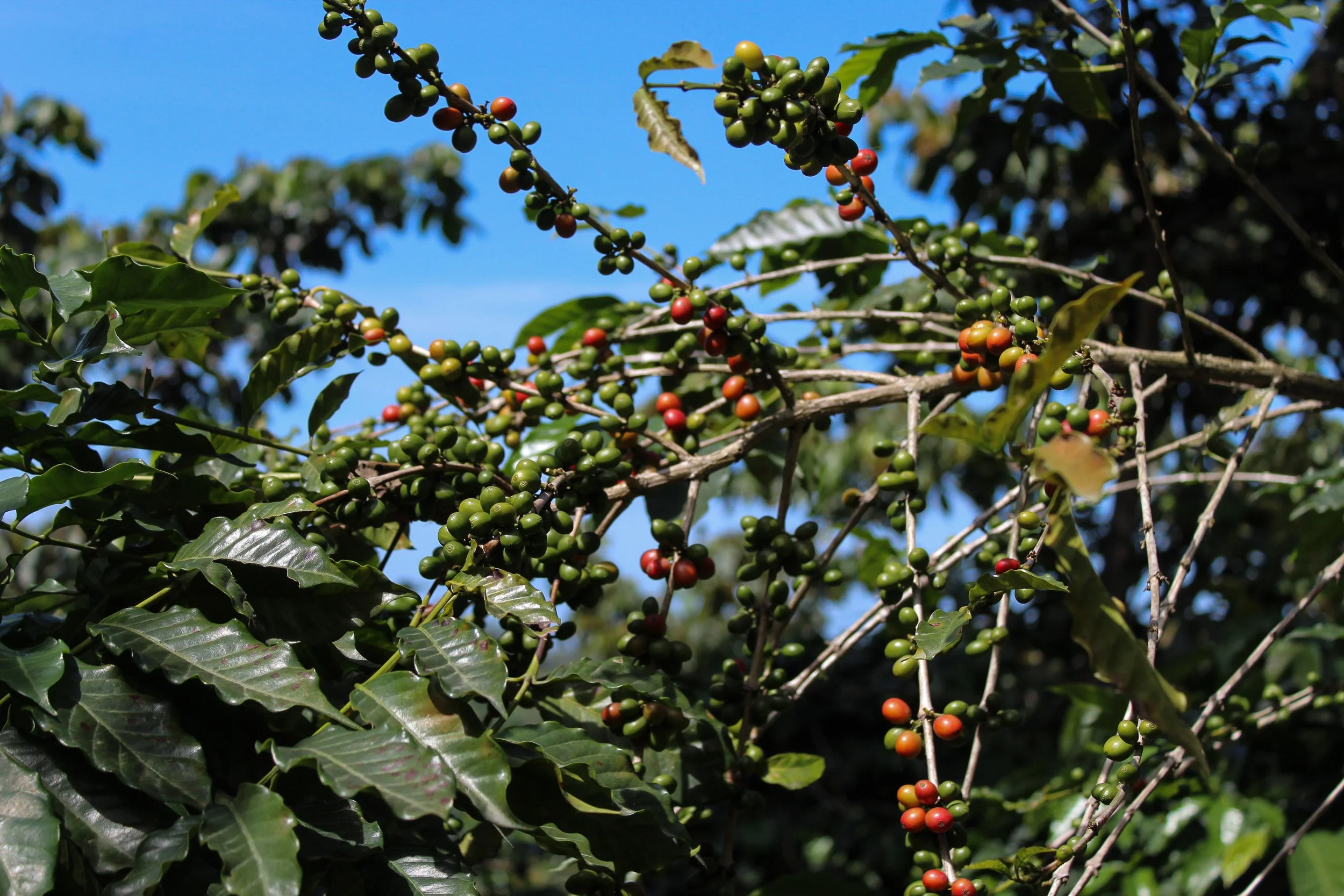
So, what happens to coffee plants during changing weather patterns that create dry periods?
During prolonged dry periods, such as those associated with drought, coffee plants struggle to access the nutrients in the soil that are needed to grow. For nutrients to become available for plants to absorb them through their roots, the nutrients must dissolve and move through the soil with the presence of plentiful water. Mircro-organisms found in the soil, such as bacteria and fungi, also depend on adequate moisture levels to break down. Once organic matter is broken down, nutrients are released into the soil, which are used by coffee plants to grow and produce coffee cherries.
Drought reduces soil moisture, which means that microbial activity and nutrient absorption slows. Under severe water stress, coffee plants may also redirect their energy away from absorbing nutrients and the typical root activity required for growth as a method of conserving water and preventing dehydration. Through the lack of water and the slow-down of root activity, the plant growth cycle is weakened, making it more difficult for coffee plants to develop healthy coffee cherries. Changing weather patterns that are currently occurring in coffee growing regions like Guatemala are altering the plant growth cycle and triggering poor flowering, premature fruit drop, the production of smaller coffee beans, and lower harvest levels.
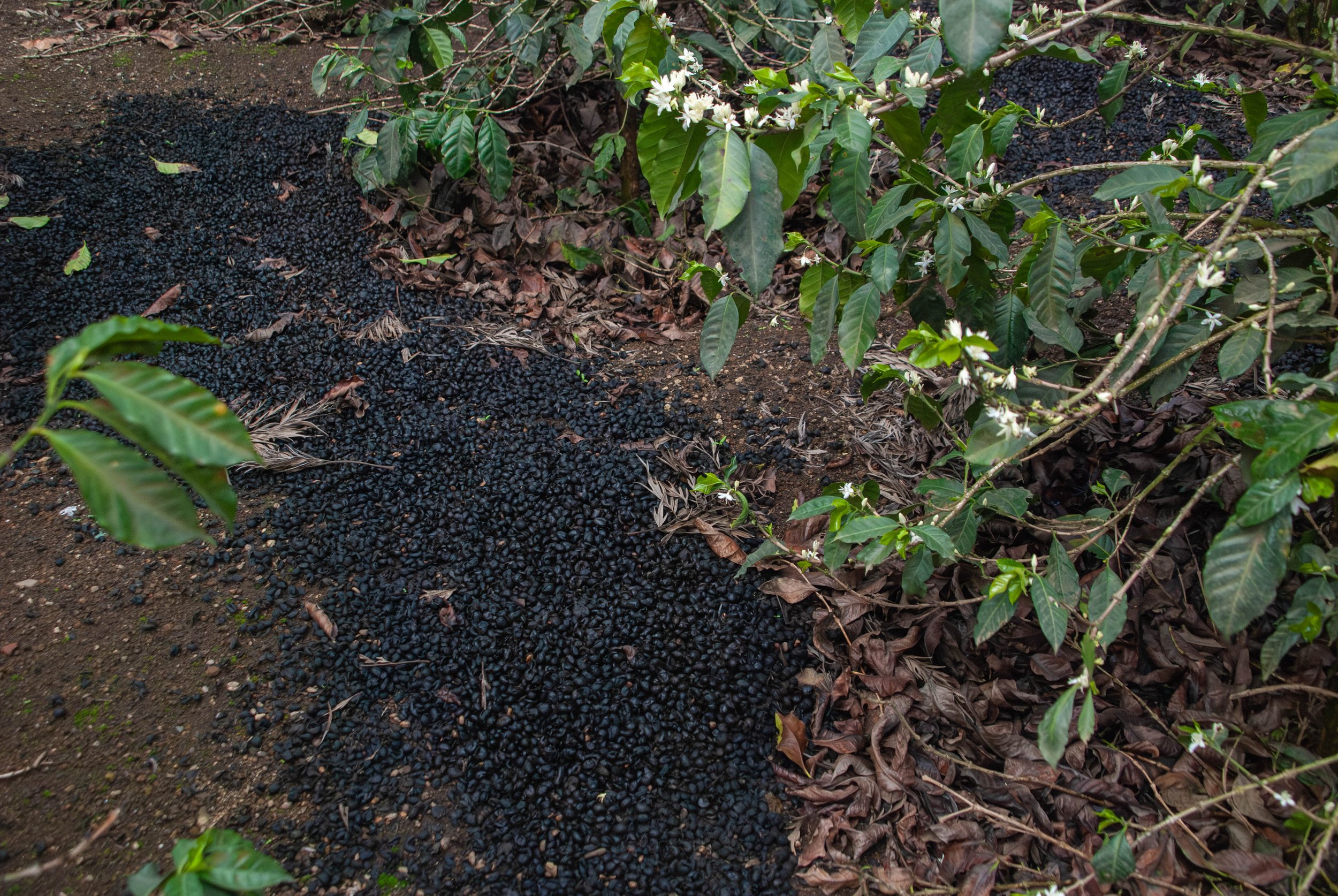
Coffee cascara (coffee cherry skin) used as compost in coffee farms to retain soil moisture
Changing Weather Patterns and Supply Disruptions
For coffee producers and farming communities, crops rely on the delicate balance of rainfall, temperature, soil conditions, and seasonality of Guatemala’s weather patterns. As discussed in the paragraphs above, changing weather patterns can create disruptions in the coffee plant growth cycle, but these impacts don’t stop at the farm. Water is equally important for the surrounding agricultural areas of coffee farms, biodiversity support, food crops, and additional farming activities that support food security and household incomes. When coffee producers face lower harvest yields and subsequent changes in coffee quality due to after-effects of changing weather patterns, a ripple effect is also created in the supply chain, which can create supply disruptions.
For small-scale coffee farmers, a difficult harvest can mean less income and greater uncertainty related to the future of their work. Also, although solutions used to mitigate the impacts of water shortages exist, it’s challenging to implement them in some coffee-growing communities. For example, installing irrigation systems may be difficult due to the uneven terrain of many coffee farms. Steep hillsides, high elevations, and limited access to infrastructure makes these systems expensive and difficult to install and maintain. For buyers and suppliers, challenges might relate to maintaining consistent coffee volumes, sourcing desired coffees, and meeting market demand levels. Over time, supply disruptions can make specific high-quality coffees more difficult to source, which can influence availability levels, prices, and the varieties of roasted specialty coffees expected by consumers.
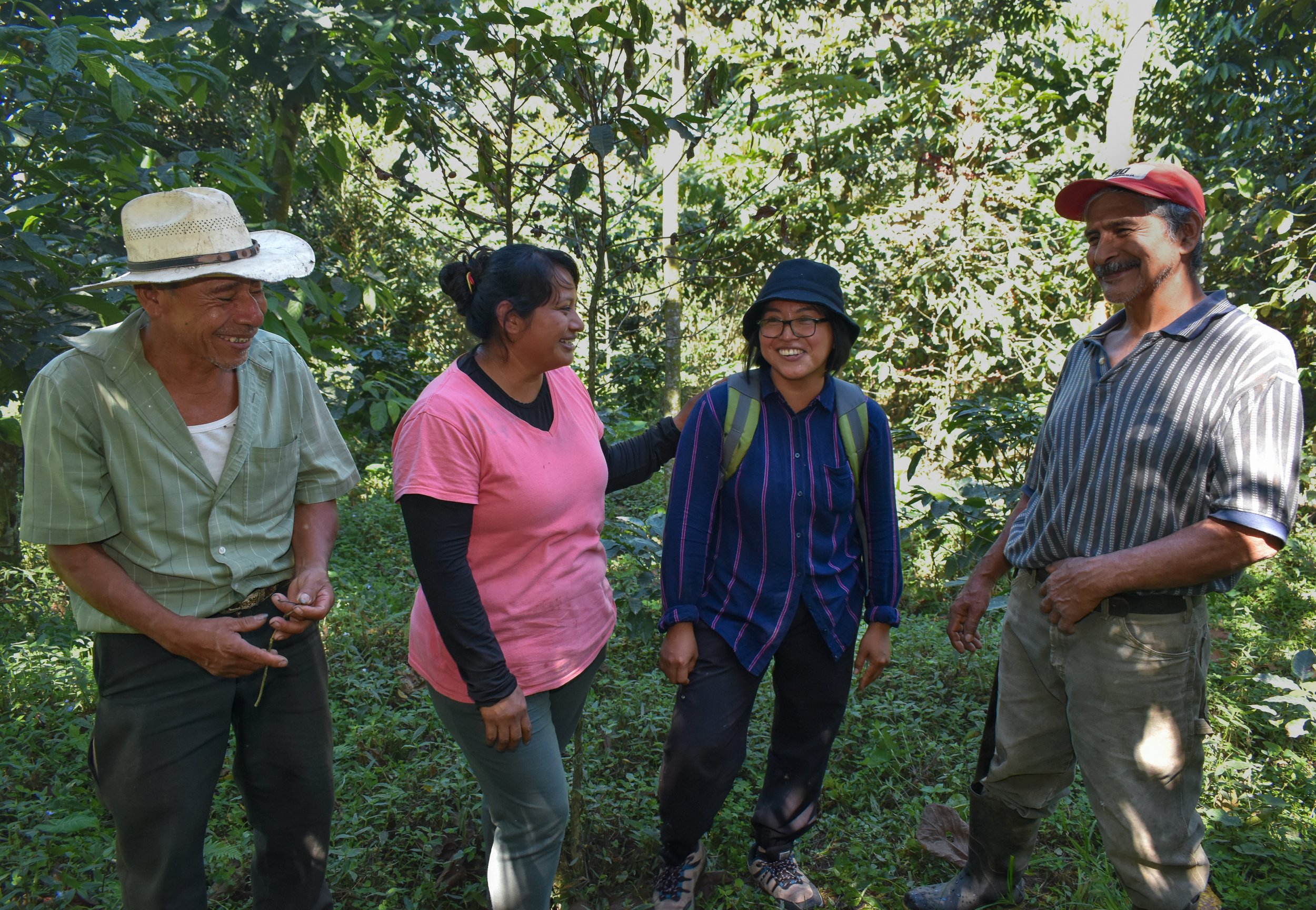
Producers from the San Marcos coffee growing region
For the final consumer enjoying a cup of coffee, the changes in weather patterns faced by coffee-growing regions and talk of supply disruptions may seem far away and somewhat removed from their daily life. An unpredictable rainy season in Guatemala doesn’t feel like it has a direct impact on the consumption side of the supply chain. But a cup of coffee connects consumers to a much larger network of people, places, and natural resources. When weather patterns change in coffee growing countries like Guatemala and impact the coffee plant growth cycle, the after-effects transcend from coffee farms and into the supply chain, eventually making its way into the coffee we consume every day. Climate related challenges aren’t only issues faced by coffee producers and their communities. They also turn into limitations for everyone involved in the coffee industry — from people involved in sourced green coffee beans to those who drink it.
Cultivating Resilience — The Role of Supplier Relationships in Building Climate Adaptation
The interconnectedness of the coffee supply chain can be seen in the surrounding environment and the people involved in every step of its functions, which means that cultivating resilience requires collaboration on every level of the supply chain. When buyers and consumers understand what’s happening in the land and the needs of coffee farmers to work towards climate adaptation, supplier relationships can diminish uncertainty levels by helping communities navigate challenges. Opportunities involving climate adaptation are possible with the support of trusted supplier relationships. Through the creation of long-term relationships, a space is created where questions about what’s needed can be asked and a system of how people can work together is maintained.
Climate adaptation doesn’t only have one solution. A combination of practices and resources are needed to strengthen the ability of farming communities as they respond to changing weather patterns. Improving water management, protecting soil health, incorporating additional plants, and adopting climate-smart agricultural practices can contribute to more resilient and sustainable farming systems. Adaptation relies on collaboration, open-communication, and a complete understanding of local needs to develop long-term solutions.
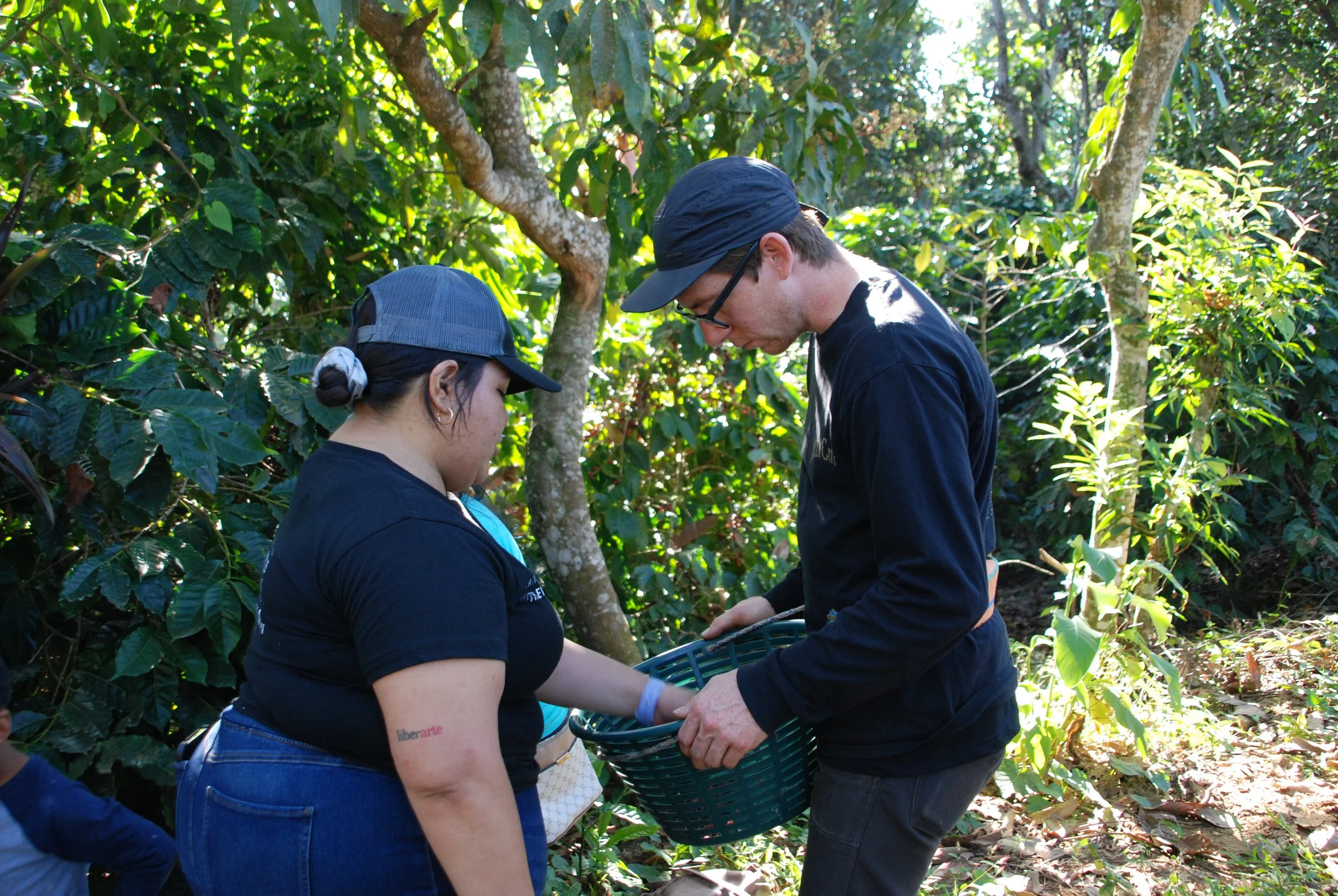
Every part of the coffee supply chain has a role in cultivating resilience and building climate adaption. Buyers and roasters can recognize the realities of farming-related challenges and offer support. Coffee businesses can seek supplier relationships that prioritize partnerships and mutual value, while consumers can learn more about where their coffee comes from and the people involved in its production. These actions alone won’t resolve climate-related challenges, but they can help strengthen relationships and economic conditions that assist communities as they adapt. Direct-trade purchases enable smallholder farmers to receive a higher income where capital can be reinvested in farms to finance local resilience projects. Overall, higher revenues and income received support communities recover from extreme weather events and abnormalities such as the El Niño phenomenon.
To protect the future of coffee and enhance climate adaptation techniques within coffee farms and farming communities in Guatemala, we must invest in the people who make growth possible. Climate adaptation involves recognizing that resilience is something that we build together. By investing in communities that grow coffee and the livelihoods of those involved, we can help create a more resilient coffee supply chain and open the doors to more sustainable opportunities in farming.
