

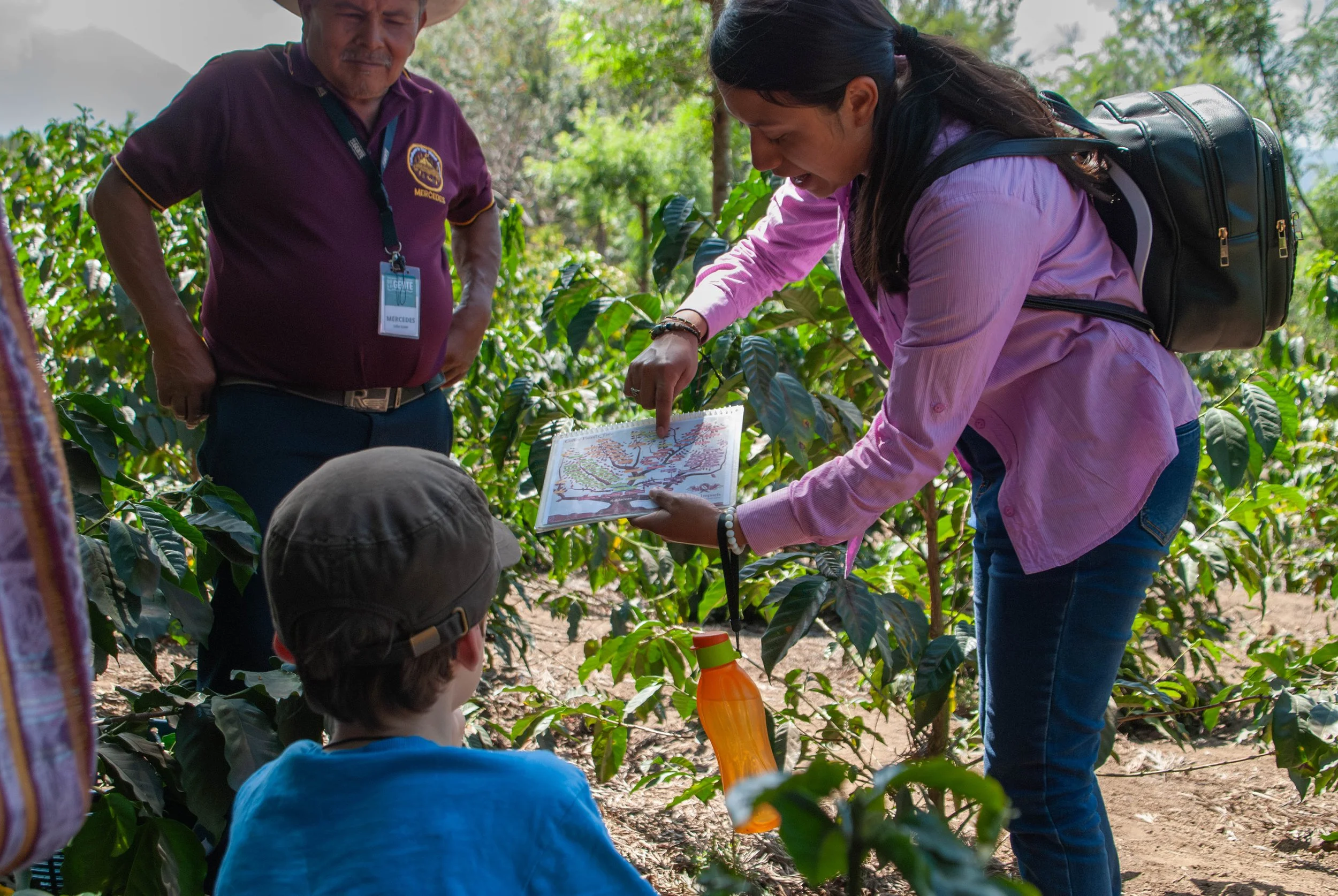
Interpreter Roles Set the Stage for Meaningful Moments in Local Tourism
When you see coffee, we see opportunity. For De La Gente, the interpreter roles in our Community Tourism Program facilitate communication between tourists and visitors, making every experience something beyond special and unique. These roles are essential to authentic, respectful, and transparent tourism experiences.
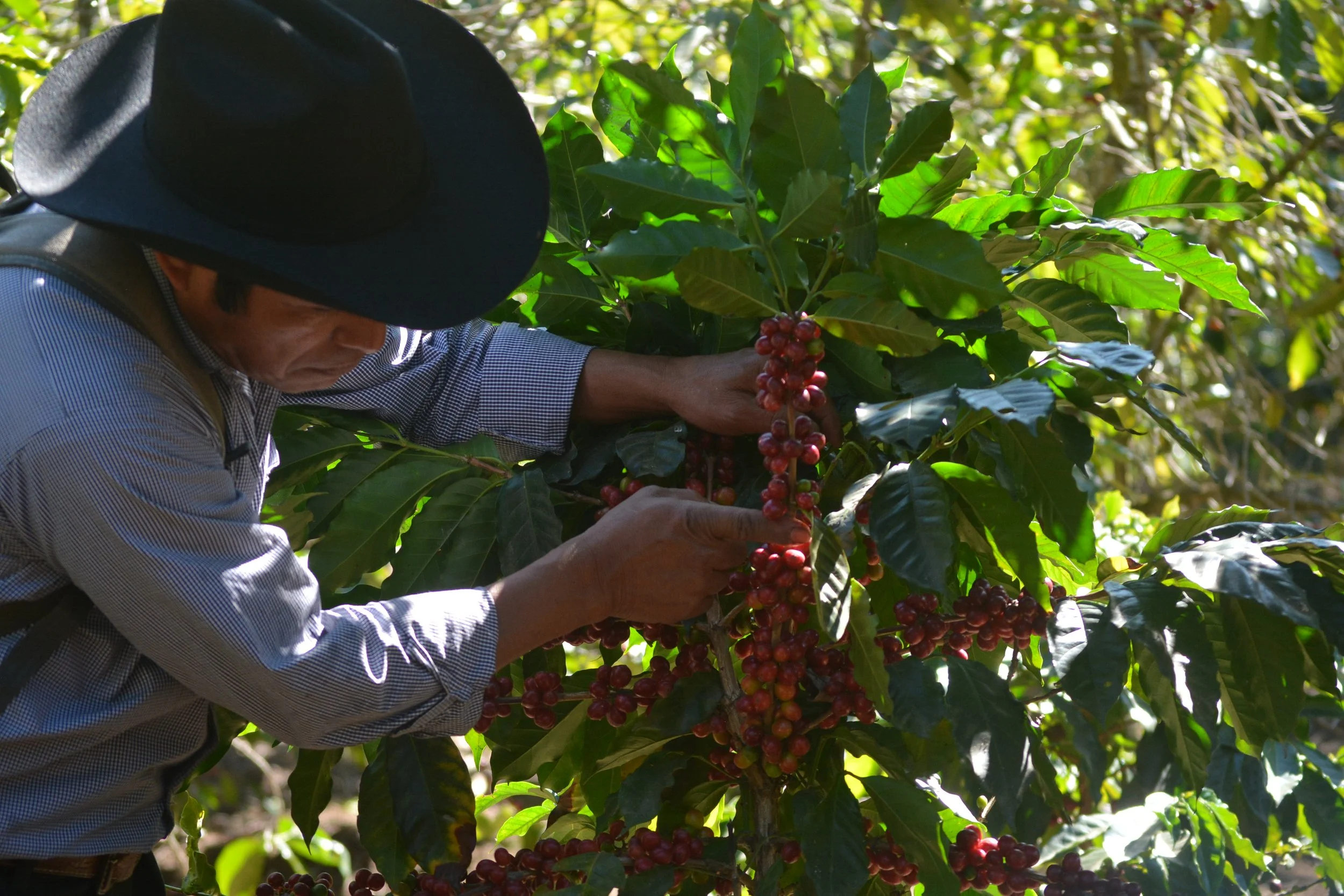
The Indigenous Farming Community of Ija’tz Cooperative - Traditional Farming that Sustains Coffee and People
Groups of coffee producers in Guatemala remain true to their heritage by continuing the use of traditional farming. As agriculture evolves and modern farming methods become more widespread, this is not only important to the environment, but also to their heritage - honoring the work of their ancestors through coffee cultivation.

How to Brew: Exploring Popular Coffee Brewing Methods
Your favorite coffee isn’t always about the beans - it’s also about the brewing methods! Brewing methods influence everything from aroma and body to acidity and sweetness.
The best part about all of this is that there’s no “right” way to brew your coffee every time. Different methods can extract various amounts and types of compounds from coffee beans, which influence the taste of the final cup. In this guide, we’ll explain a step-by-step process about coffee basics and steps involved in some of the popular coffee brewing methods.

Coffee Roasting - Unlocking Flavor in Specialty Coffee
Coffee roasting highlights what makes a coffee distinct - its origin, variety, processing method, and terroir - transforming green coffee beans into something aromatic, rich, and enjoyed by millions.
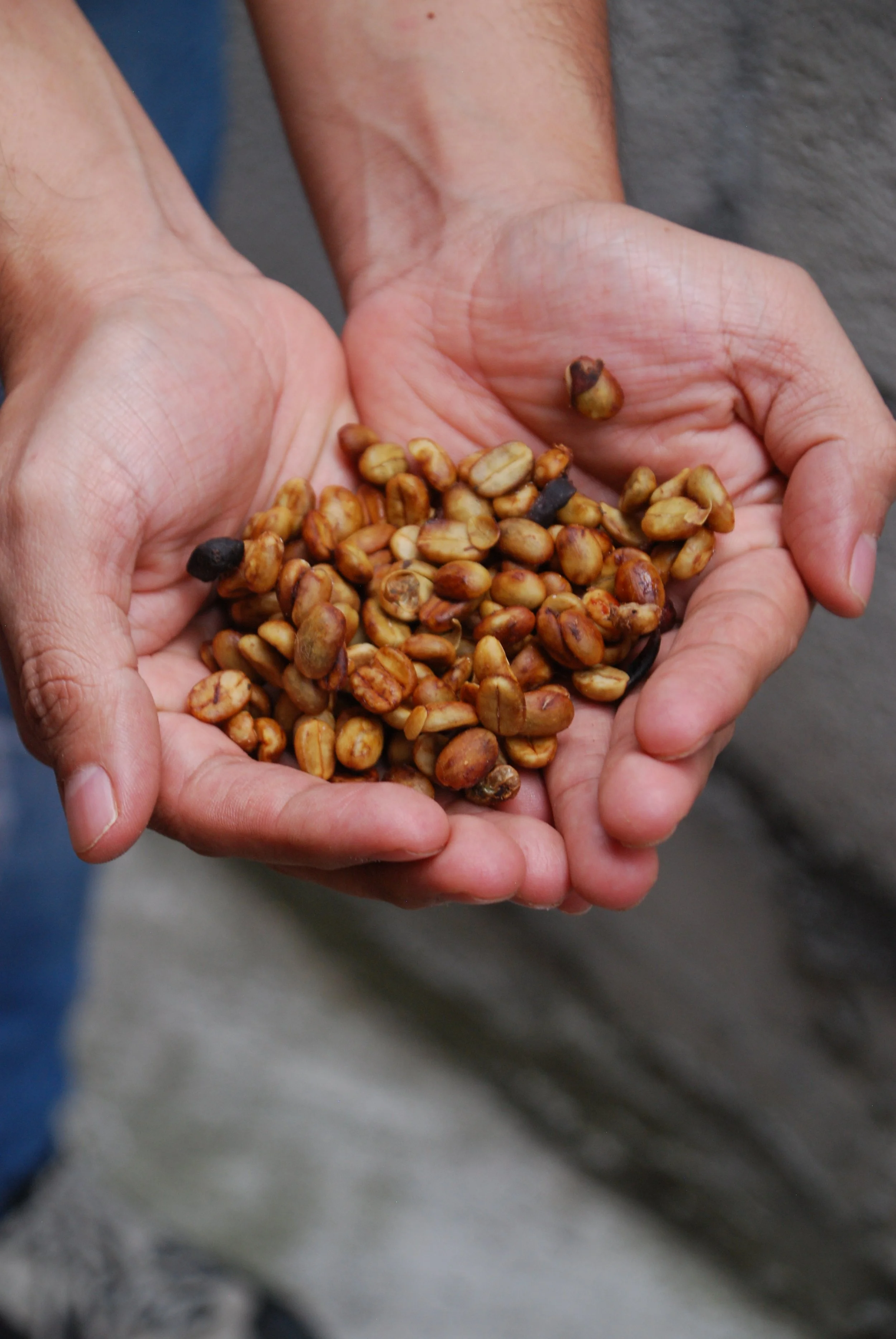
Exploring Coffee Flavors of Honey Processed Coffee
By hearing the word “honey” being associated with a coffee processing method, many people create the assumption that honey is added to the process or that the coffee flavors taste somewhat like honey. Believe it or not, this isn’t true! This coffee processing method gets its name from the sticky feel that the coffee beans have before being dried - almost as if they have honey on them.

Types of Coffee Beans | The Meaning Behind Single Origin Coffee and Its Importance
Single origin coffee refers to coffee beans that are sourced from one specific geographic location. This could be a single country, a particular region within that country, or even a single farm. Single origin coffee differs from blends, which combines beans from multiple origins to create a consistent flavor profile.
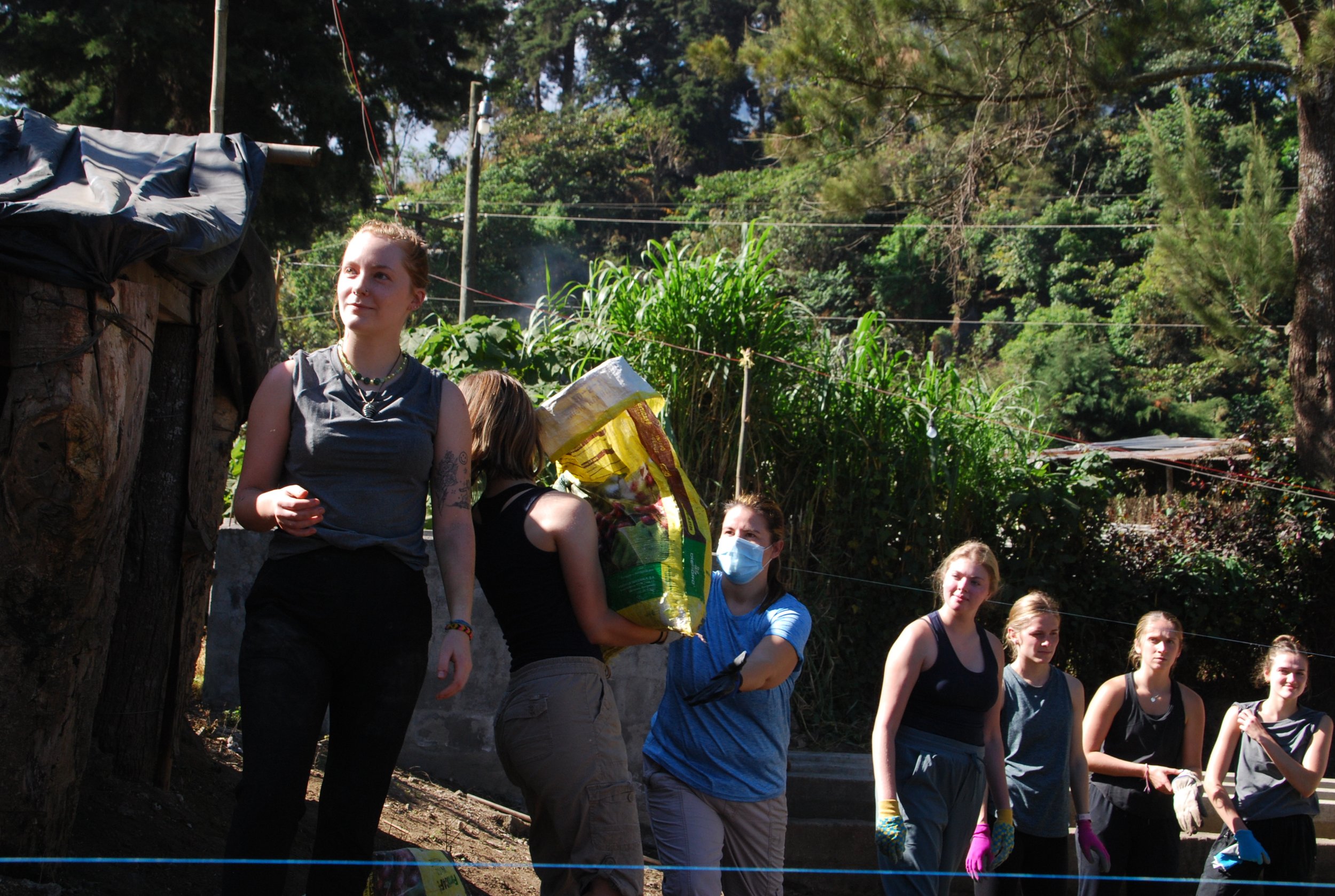
De La Gente’s Immersive Educational Trips | Bringing Curriculum to Life Through Service Learning
By coordinating activities and institutional learning objectives within Guatemala’s coffee-growing communities, De La Gente has organized numerous Educational Trips, having a community-centered learning approach. Students gain not only academic insights, but also a deepened level of cultural competency, critical thinking, and global citizenship. Through various activities involved including service learning programs, students and community members are offered the chance to forge authentic, meaningful relationships.

Uplifting Small Scale Coffee Producers in the Face of Industry Challenges
Out of the 125,000 coffee producers in Guatemala, about 97% of them are small scale producers and are responsible for nearly 45% of the total exported coffee. But what does it mean to be a small-scale coffee producer? Why is small scale production important for the specialty coffee industry?

A Wake Up Call for the Future of Coffee
The lush slopes of mountains, misty highlands, and agricultural landscapes of coffee fields that have been nurtured for centuries are facing disruptions. Once-reliable growing seasons are beginning to shift and become unpredictable, with erratic rainfall, prolonged droughts, and rising temperatures threatening both the quality of coffee beans and harvest levels.

Experiencing Guatemalan Cuisine | A Fusion of History, Culture, and Tradition
Food is at the heart of Guatemala’s culture, and where food is served, flavors and stories are tied to memories. Every dish has a deeper meaning or relevance - whether it has a cultural significance, creates a memorable connection in flavors and aromas, or carries traditions through generations. Influenced by authentic food from ancient Mayan heritage and Spanish colonial flavors, dishes portray a story of resilience and culture. Experiencing Guatemalan cuisine is a journey through the country’s history - connecting the past with the present while engaging in a connection with people and traditions.