By Maria Renee Mejia
The Season of Giving is a time to reflect on what matters, find connection through giving, and recognize the difference we can make in the lives of others. At De La Gente, this season holds special meaning as we celebrated 12 years of working alongside small-holder farmers and creating opportunities through coffee.
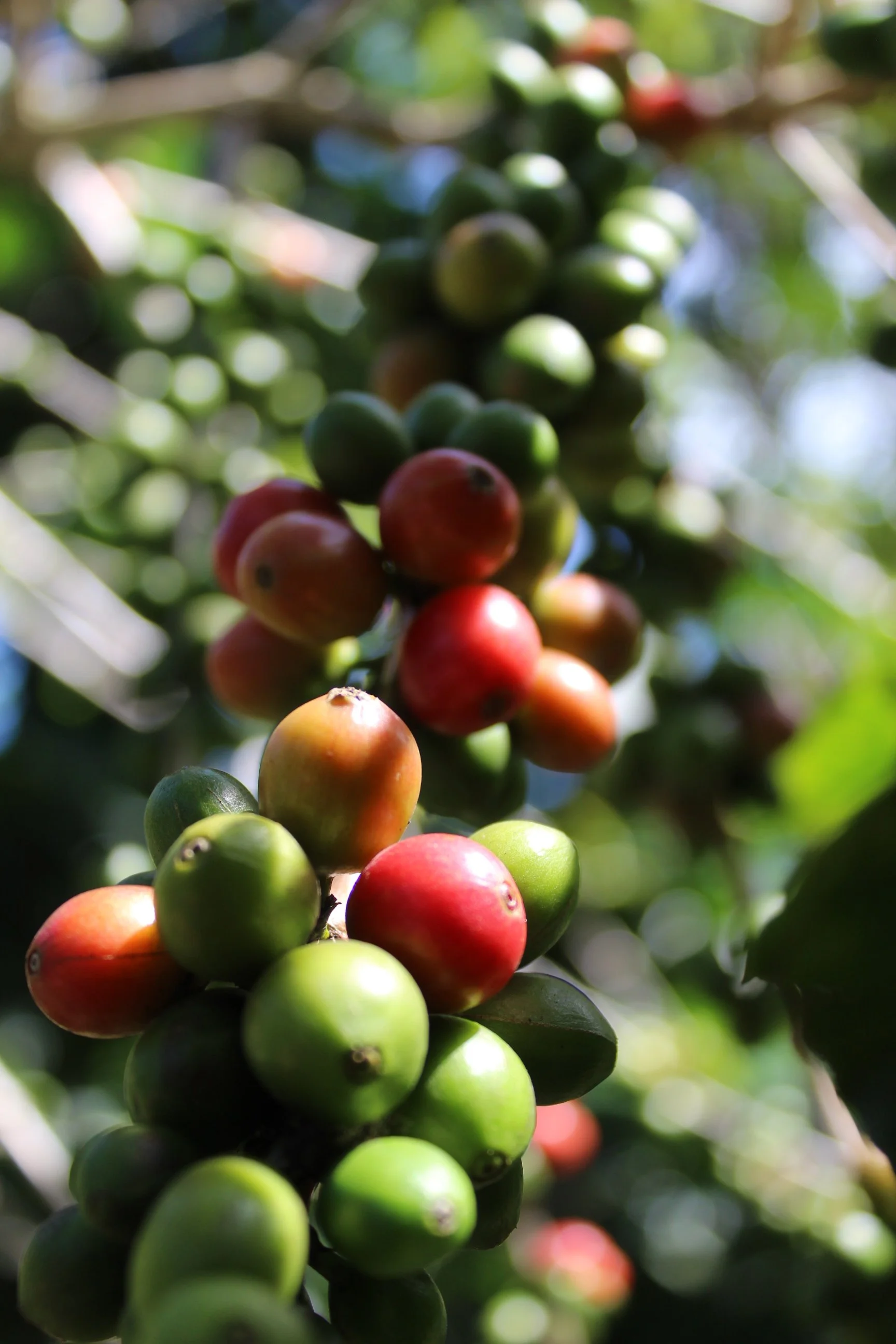
A cup of coffee represents much more than just the finished product. Behind every harvest are the people who care for the soil, nurture their plants, preserve knowledge and make thoughtful decisions about the future of their farms.
For the coffee producers of our partner cooperative in Santa Anita La Unión, Quetzaltenango, these decisions reflect a commitment to their land, their cultural heritage, and the generations that will follow.
Cultivating Coffee with Purpose in Santa Anita
The coffee producers from our partner cooperative, APCASA Santa Anita care deeply for Mother Earth, and over the years, they have kept their Mayan roots alive by respecting the land. Although they avoid chemicals in their coffee and other crops, they cannot sell their products as organic for several reasons.
Growing coffee through organic farming practices requires more than avoiding certain agricultural inputs. It involves caring for the soil, using natural resources responsibly, and continually learning how to work with the land. For small-scale coffee producers, developing these practices takes time, observation, experimentation and a willingness to keep learning.
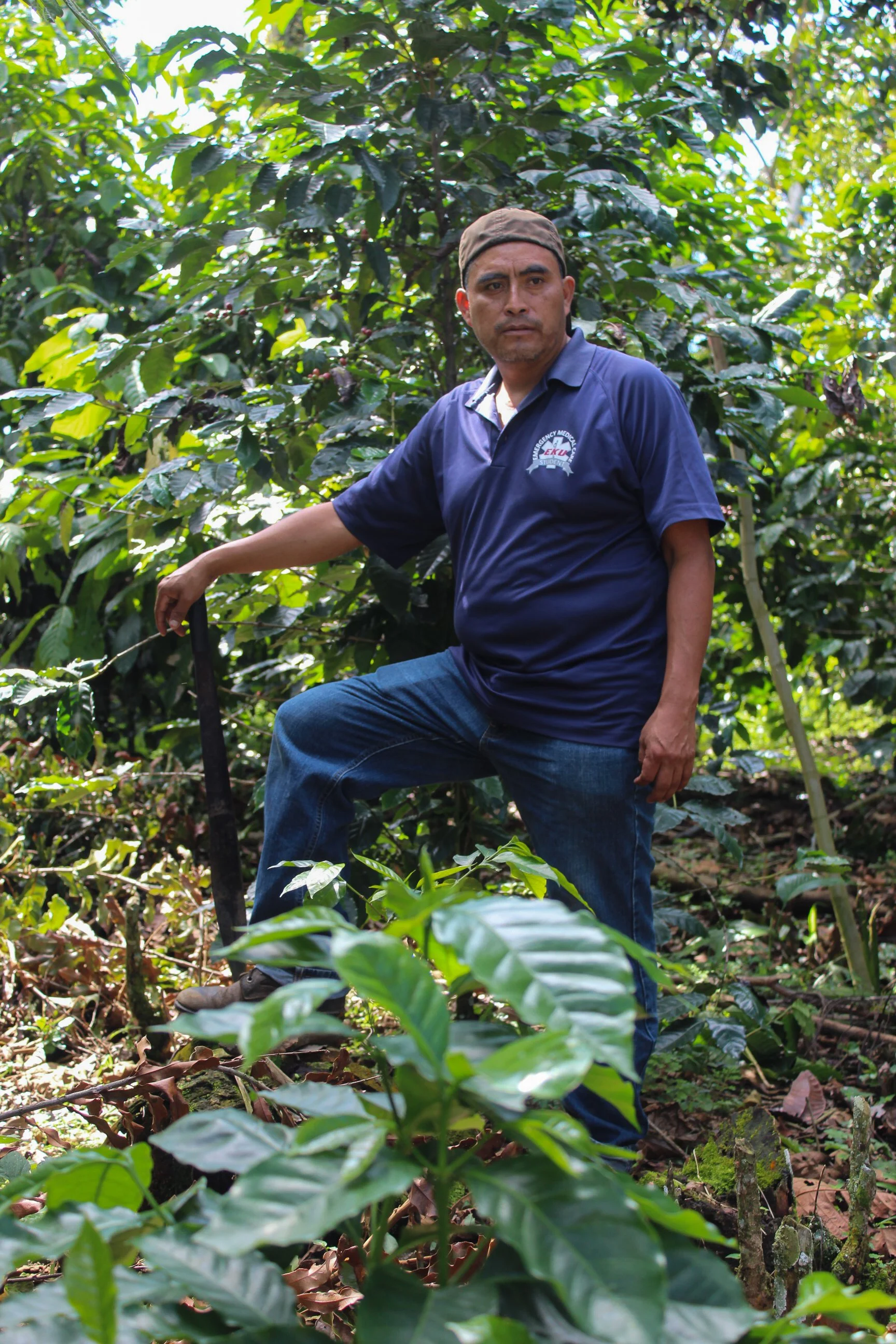
Mincho, Benito and Alfonso, members of the cooperative, put these practices into action through features such as natural hillside fences, and shade in order to prevent erosion and provide support for the coffee plant to develop naturally.
Additionally, through years of experimentation, they have also learned how different trees, including chalum and guava trees (both native of the region) can provide shade and contribute nutrients that support the growth of the coffee plants.

From left to right: Alfonso, Benito and Mincho - Small-scale coffee producers in Santa Anita La Unión, Quetzaltenango.
These practices also shape the environment in which coffee grows, influencing characteristics that make each harvest unique. Factors such as soil, shade, climate and the surrounding ecosystem contribute to what is often described as terroir, helping shape coffee's distinctive aromas and flavors.
Although the producers work within the same community, each manages a different plot of land with its own characteristics. Their efforts and knowledge begins with how their produce reacts to differences in the land, the season and the animals surrounding the area.
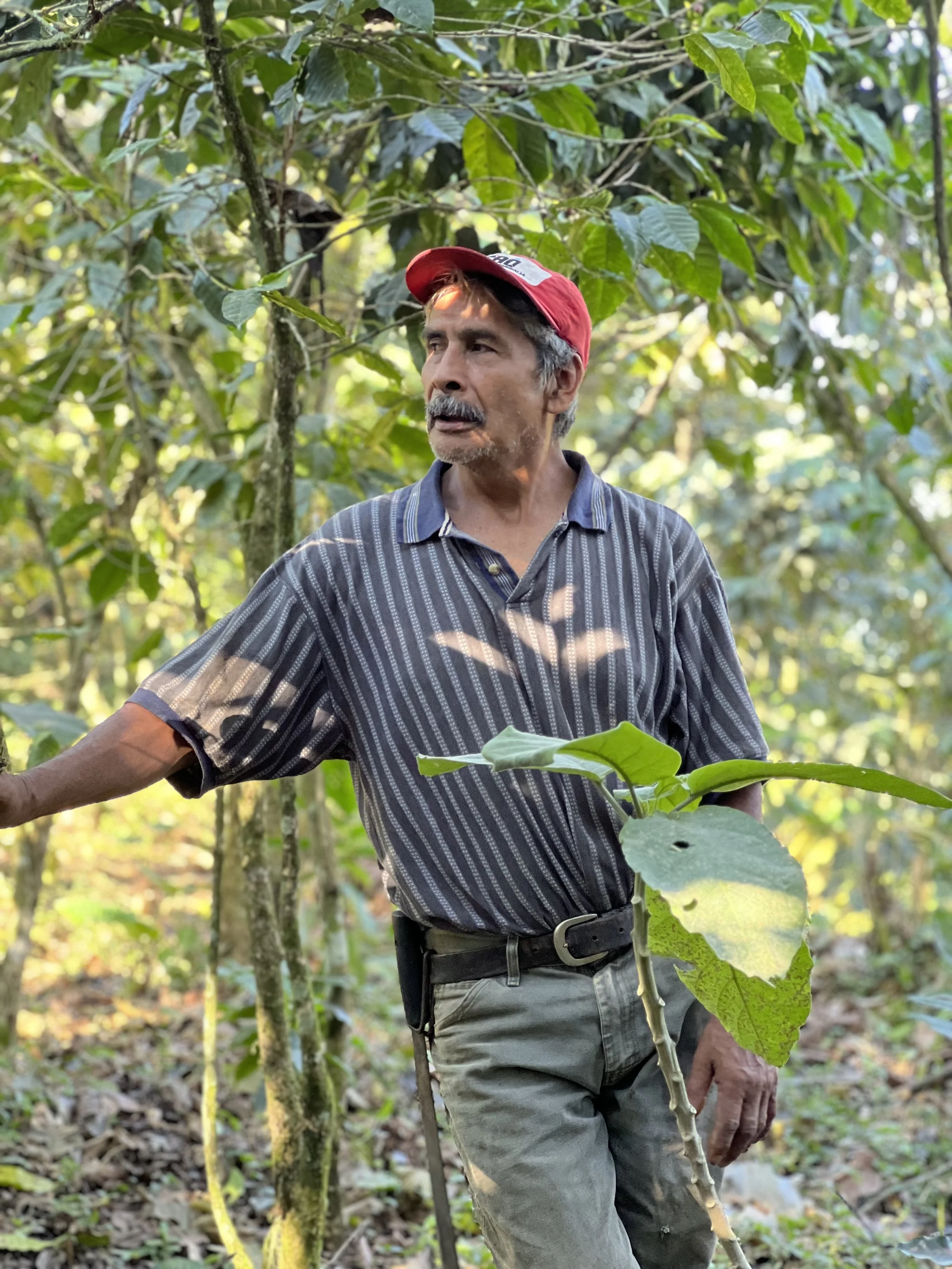
Benito, for example, cultivates coffee on steep, uneven terrain. Rather than applying the same approach to every situation, he adapts his farming practices to the conditions of his land, which proves his willingness to continue harvesting organic coffee in different contexts.
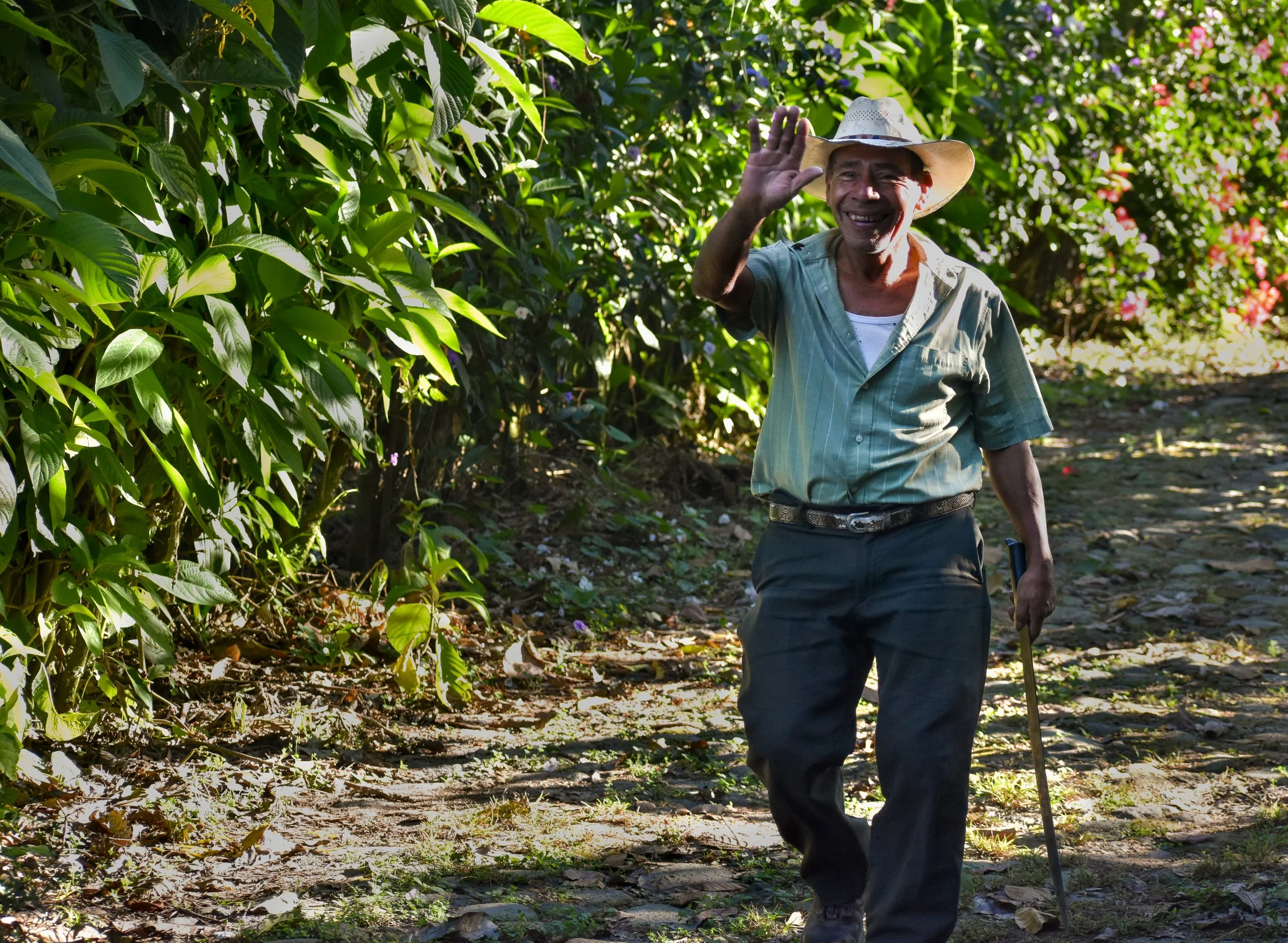
Benito takes a walk through his coffee fields, observing the growth and condition of his coffee plants.
For these farmers, caring for the land is also connected to their cultural heritage and knowledge passed down through generations. Their relationship with the land goes beyond production: it reflects their values, their identity and their understanding of the resources that sustain their families and communities.
However, maintaining these practices requires considerable time, resources, and ongoing research. Compared with other farming approaches, these demands can make it challenging for small-scale coffee producers to continue investing in them.
The Cost of Staying True to Their Values
One challenge small-scale coffee producers like Benito, Mincho and Alfonso may face when pursuing an organic certification is the cost and administrative work involved in meeting certification requirements. Organic certification requires producers to document their farming practices, maintain appropriate records, and demonstrate compliance with applicable standards.
In Guatemala, organic operators may also need to meet registration requirements through the Ministry of Agriculture, Livestock and Food, which involve additional administrative procedures and fees.
For smallholder farmers, these costs can be a significant barrier. Without the appropriate certification, producers may be unable to market their coffee as certified organic in markets where this verification is required, potentially limiting their access to certain buyers and pricing opportunities.
Beyond certification, maintaining these farming practices also requires soil monitoring, professional guidance, and major investment. Despite these challenges, Santa Anita's farmers continue to honor their Mayan roots by caring for their land and preserving organic agricultural practices.
Small Steps, Lasting Opportunities
This work is more than a single harvest. It is about supporting the people who are already investing their time and knowledge, being conscious of building a future that reflects their values.
At De La Gente, we believe supporting smallholder farmers means recognizing not only what they produce, but also the effort and commitment behind every harvest. The story of Santa Anita reminds us that meaningful progress takes time. Sometimes, it begins with small steps that require patience, observation, and the opportunity to continue.
Through your support, we can create opportunities for smallholder farmers to continue experimenting, learning, and developing solutions that strengthen their livelihoods without losing sight of the values that guide them.
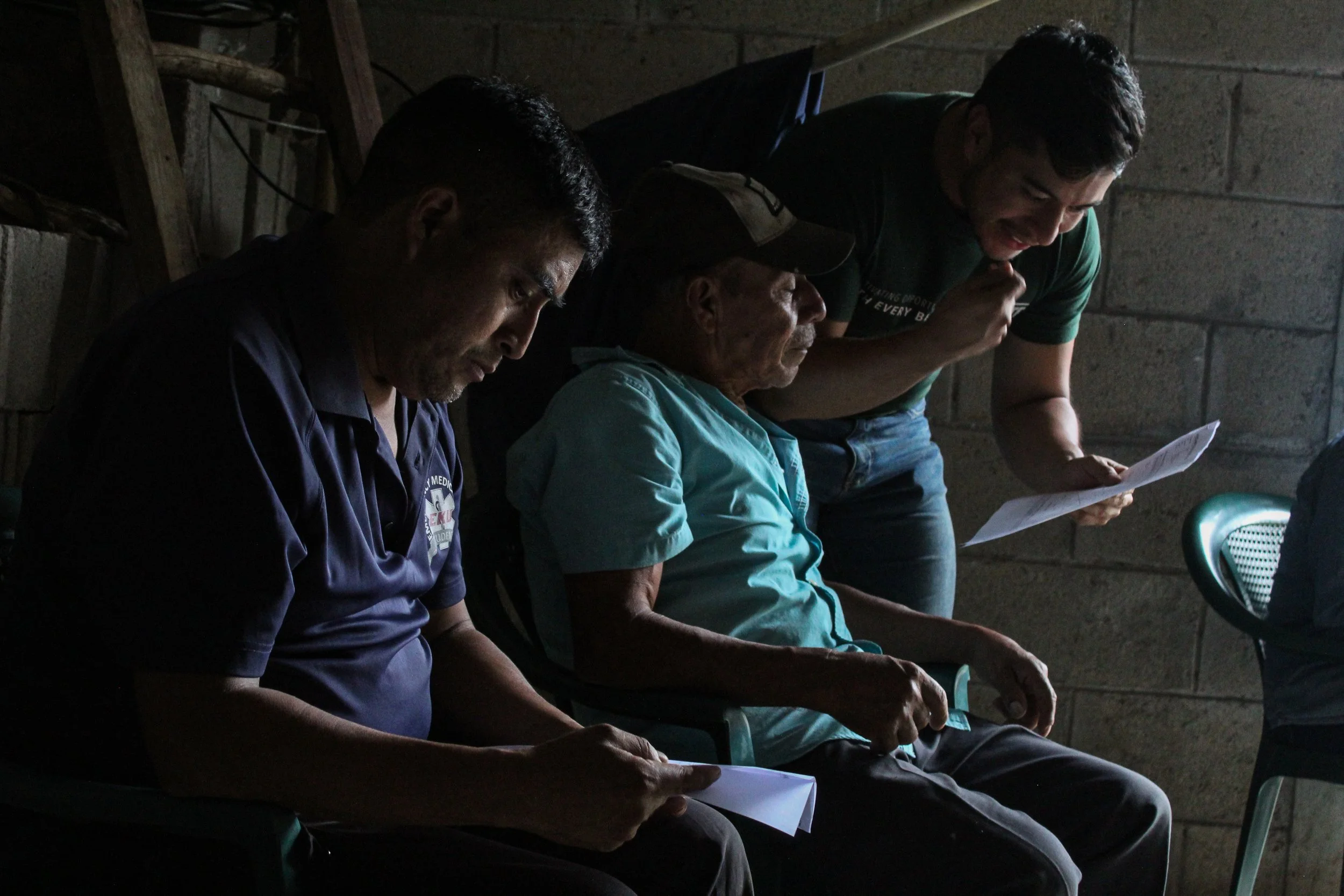
De La Gente team members sharing knowledge and providing hands-on training to Alfonso and Benito, supporting their continued learning and development as organic coffee producers.
Giving with Purpose
This Giving Season, your donations can help De La Gente continue working alongside smallholder farmers and supporting the efforts they are making to build a stronger future for their farms and communities.
Your contributions create opportunities that encourage farmers to keep learning, experimenting, and developing solutions that respond to their needs and reflect their values. Every donation helps make room for new possibilities and allows this work to continue growing.
By giving this season, you become part of that effort and sustain the work behind every harvest, supporting the future they are working to build.
Make a donation today and help create more opportunities for coffee-producing communities
