

Santa Anita Cooperative Displays Sustainability in Coffee on Their Path Towards Organic Coffee Farming
by Aliisa Oake
This Earth Day, we’re reflecting on the deep connection between coffee and the land it’s grown on in Guatemala.
As conversations around sustainability in coffee are gaining importance, a group of coffee producers in the coffee growing region of San Marcos, specifically located in the Quetzaltenango department, are beginning to lead the way. This group of coffee producers are our long time partners, and members of the cooperative, The Asociación de Pequeños Caficultores de Santa Anita (APCASA), otherwise known as Santa Anita Cooperative.
In their usage of shade trees on their coffee farms, also known as shade-grown coffee, these farming practices protect biodiversity, enrich the soil, and preserve the surrounding environment. Coffee producers are currently working towards furthering the sustainability of coffee within their community, especially with coffee cultivation holding deep ties to the health of the land, and Madre Tierra, or Mother Earth. As they expand their coffee growing practices, they’re taking steps towards producing organic coffee — reducing their environmental impact while upholding their farms for future generations.
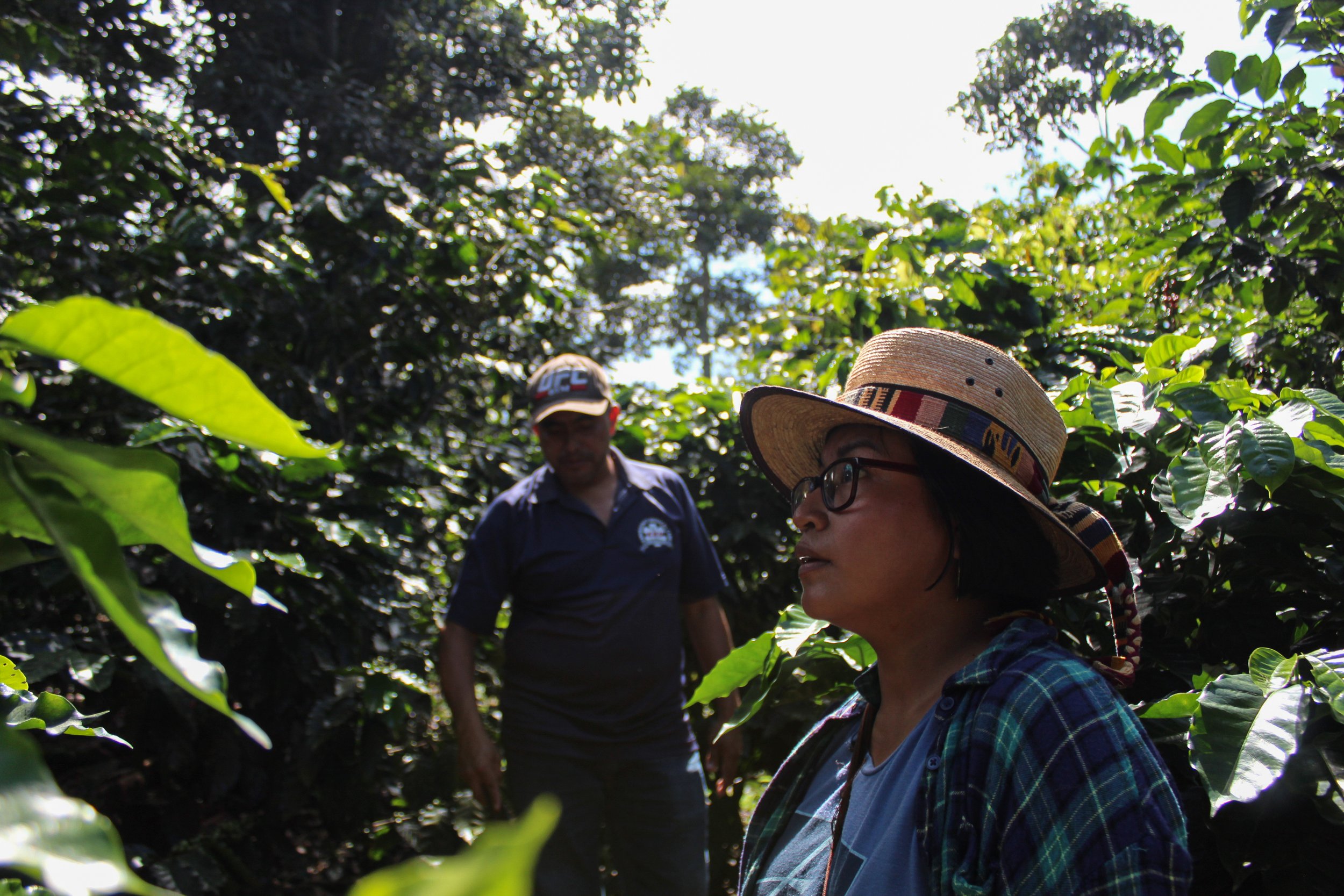
Santa Anita Cooperative members, Pamela and Alfonso, standing within coffee fields in the region of San Marcos Guatemala
Resilience and Renewal — Coffee Cultivation at Santa Anita Cooperative
Located in the lush highlands in western regions of the renowned coffee region in San Marcos Guatemala, Santa Anita Cooperative is situated amongst the slopes of volcanoes Santa Maria and Tajumulco, which is the highest volcano in Central America. The small rural community of Santa Anita was established in 1998, after Guatemala’s 36-year long Civil War. As families began rebuilding their lives and reintegrating into civilian society, they purchased an old coffee farm with a low-interest government loan offered as a part of the reparation process when the Peace Accords were signed in 1996.
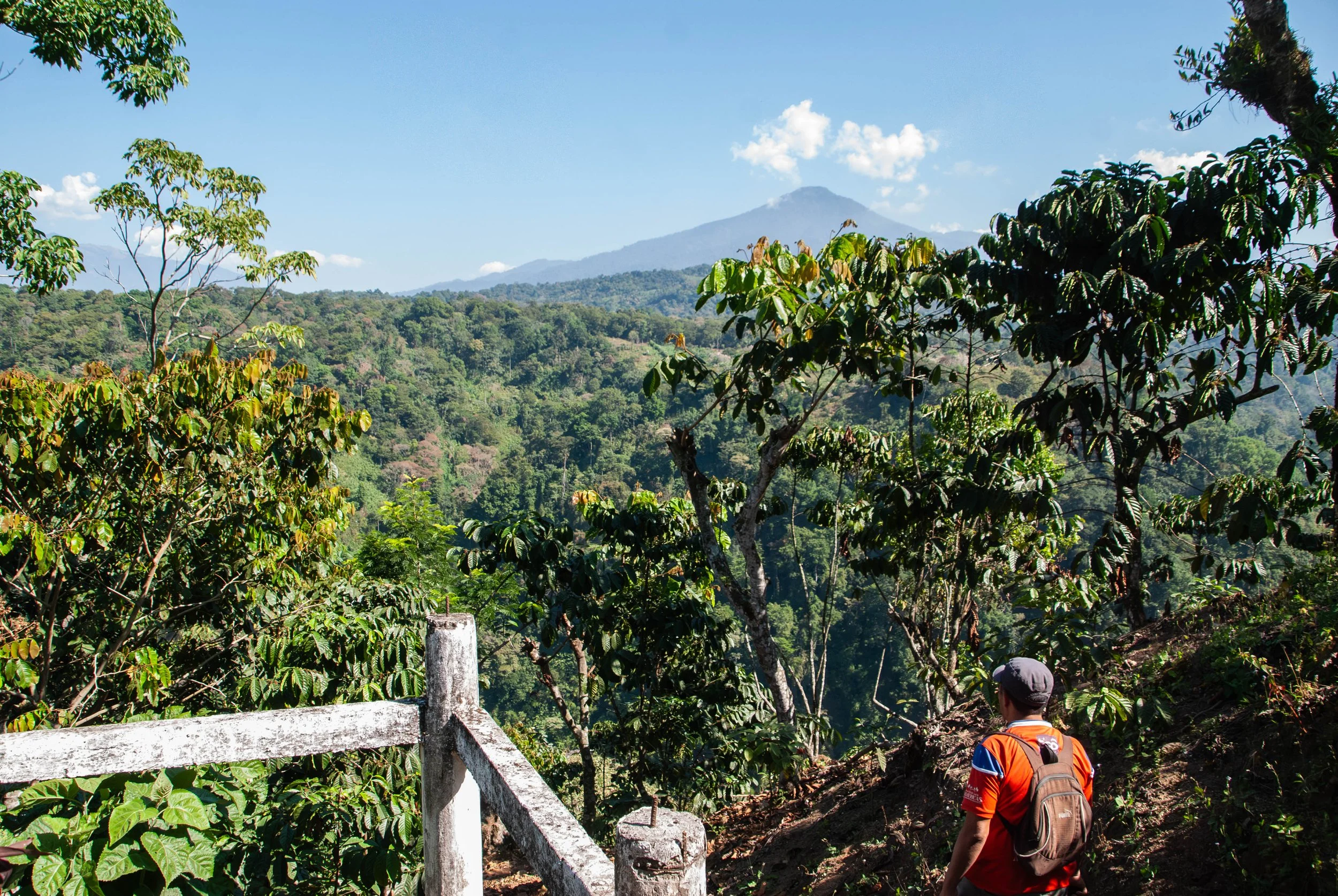
Coffee plantations with shade trees in the coffee-growing region San Marcos — Santa Anita Cooperative
Coffee cultivation soon became central to Santa Anita’s livelihood, naturally supported by the region’s humid climate and growing conditions, especially with the presence of fertile volcanic soil and high altitudes. As coffee producers began working together, they realized that they would work more efficiently through the formation of a cooperative. Santa Anita Cooperative was then founded in 2010 by a group of eight community members — creating a space for coffee producers to collaborate, formally market their coffee, and strengthen their coffee cultivation methods. As the community grew, so did its focus on agriculturalism, biodiversity support, and sustainability in coffee.
Today, coffee produced by Santa Anita Cooperative is not only a symbol of their livelihood and the resilience of their community, but also serves as a connection to la Madre Tierra, which guides how they care for their land and their approach towards farming. This approach has also inspired them to move towards deepening their knowledge and skills of organic coffee farming methods.
The Important Role of Shade Trees and Sustainability in Coffee Cultivation
Among Santa Anita’s coffee fields, coffee trees aren’t grown in isolation. Coffee naturally grows beneath a canopy of trees, so an essential part of their cultivation approach and maintaining sustainability in coffee is through the use of shade trees. By planting shade trees, producers can mimic coffee’s natural growing environment, which provides additional benefits to the environment, like enhancing biodiversity and promoting a healthier ecosystem. Additionally, without a reliance on external inputs like pesticides, herbicides, or other fertilizers, the soil quality and surrounding wildlife will say healthier and aren’t at risk for degradation. This cultivation method also allows for better coffee flavor, as it slows cherry maturity, enhances sweetness, and produces a distinct, acidic flavor profile.

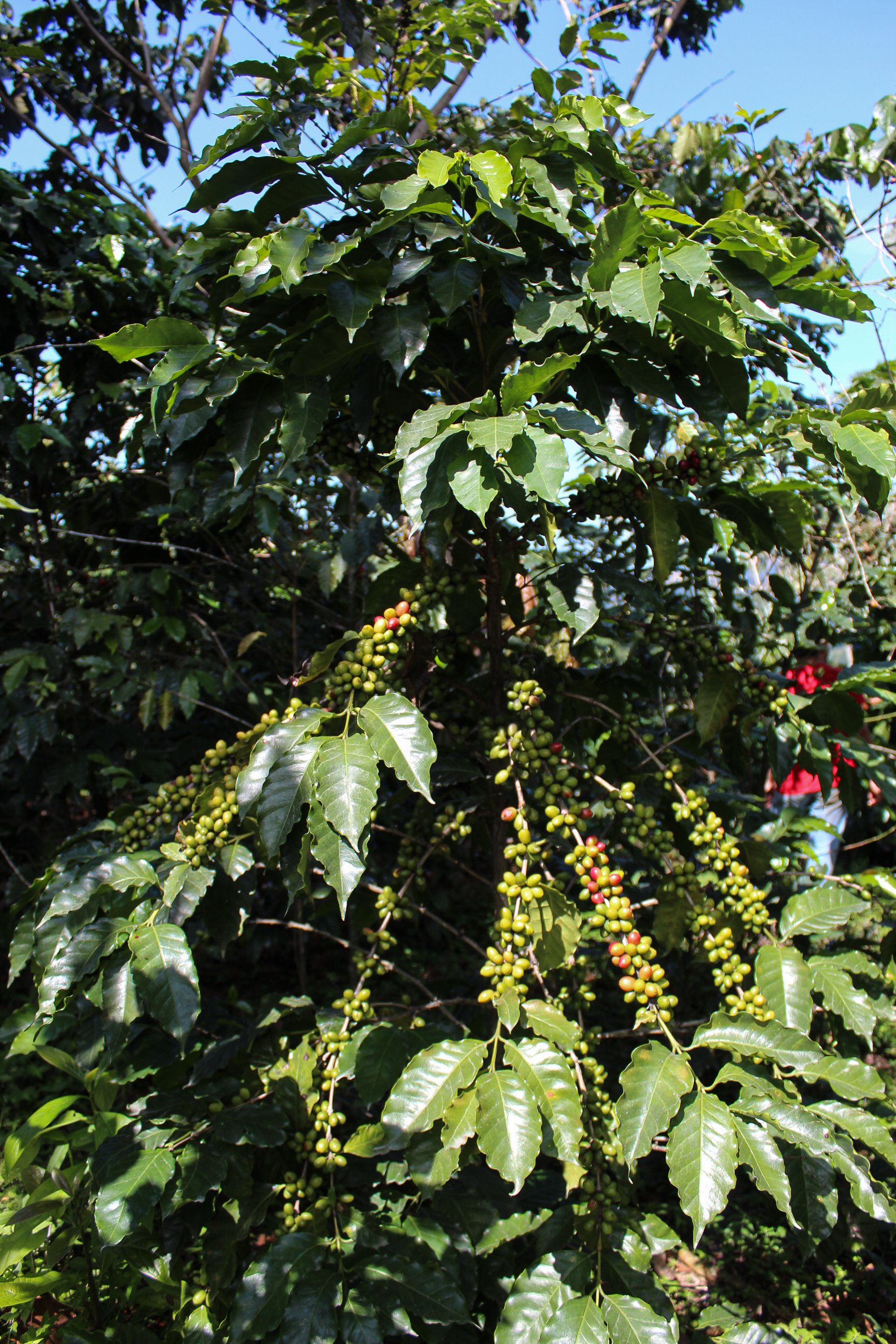
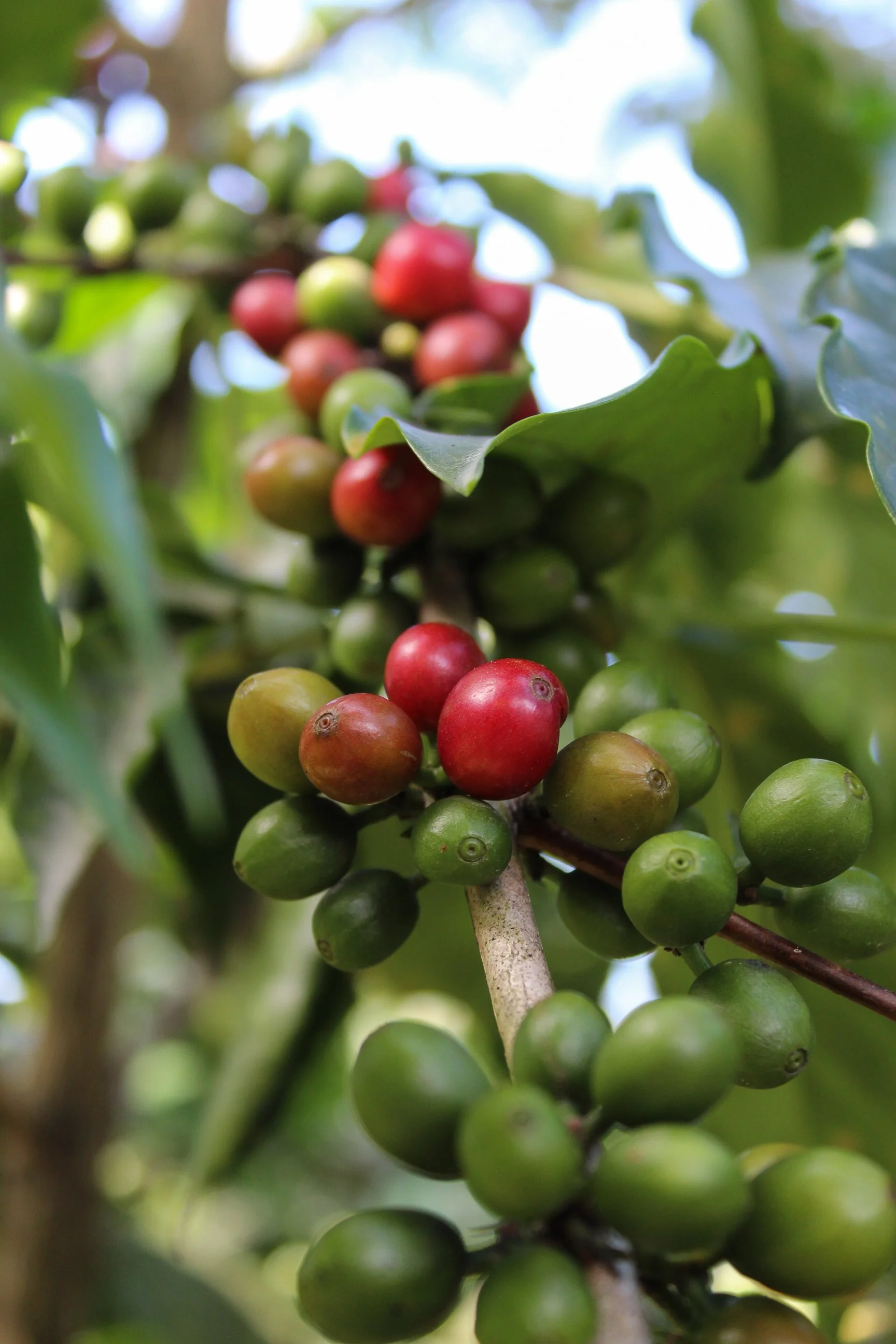
More specifically, shade trees planted amongst coffee fields in this community play an important role in preventing soil erosion. Many of Santa Anita’s plantations are located in steep, mountainous areas, which are especially vulnerable to heavy rainfall — a common weather occurrence in the region. Without enough ground cover, such as native plants, leaves, or root systems to hold the soil in place, rain will wash away the topsoil and leave coffee plant roots exposed. Lack of shade trees creates susceptibility for soil erosion and increased drying, creating additional challenges for producers working to maintain the sustainability of coffee plants. To get a better understanding of the details involved in shade-grown coffee cultivation in Guatemala, read our previous blog posting.
In a recent discussion about some of the cultivation practices used by members of Santa Anita Cooperative, one of the coffee producers, Don Benito, mentioned that it’s essential to maintain the land by removing intrusive weeds, which compete with coffee plants for water, nutrients, and sunlight. Additionally, in efforts to maintain an organic coffee growing system, chemical herbicides must be avoided, so more physical labor and natural options are essential.
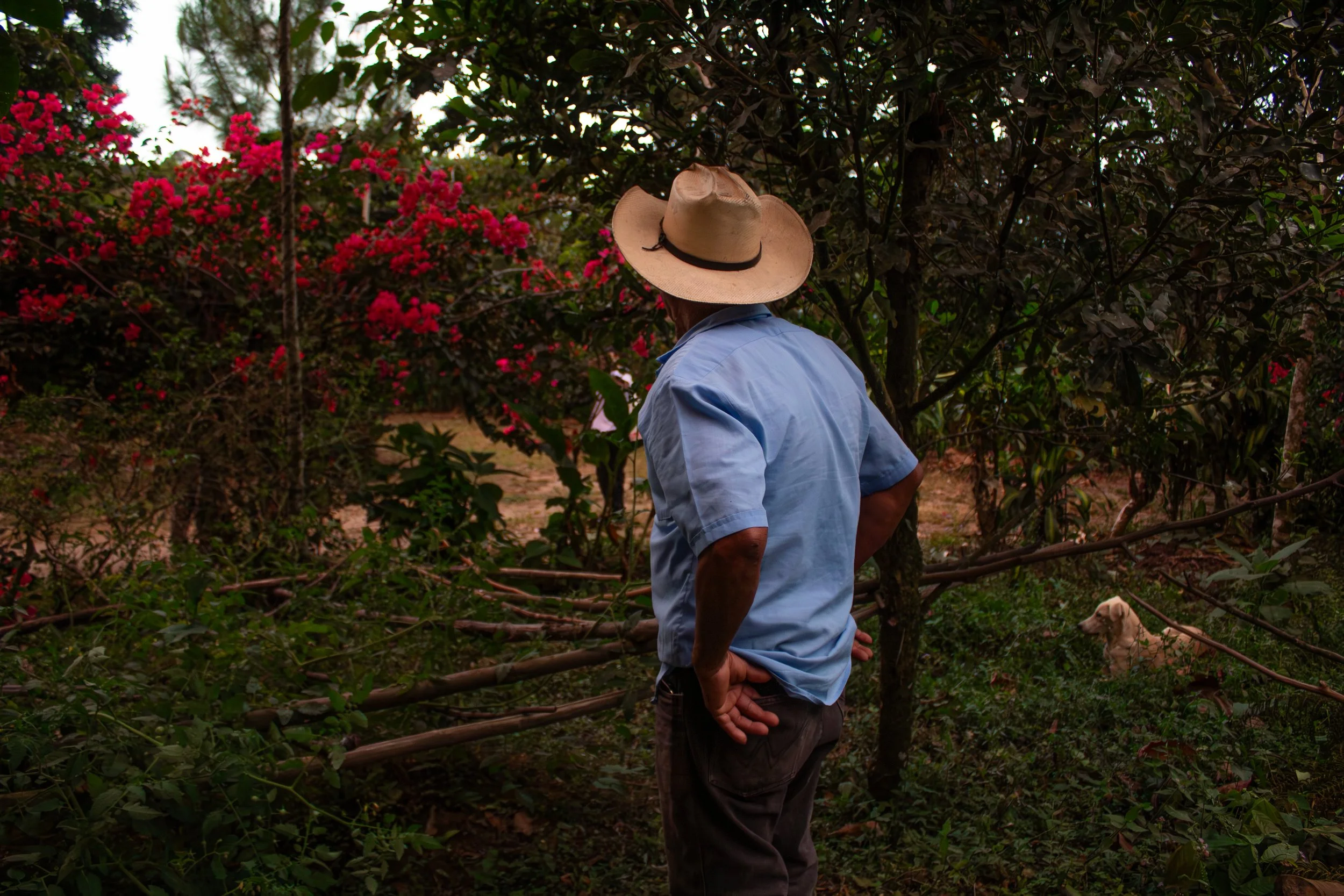
Don Benito in fields | discussing farming practices and working towards furthering sustainability in coffee
As coffee producers keep up with land maintenance, manual weeding is widely practiced, as well as using a combination of leaves and branches from native shade trees and coffee cherry skin, or cascara, which when combined, creates a natural compost that also serves as a natural mulch and organic fertilizer. While maintaining his fields, Don Benito allows a specific weed to grow, which is called barrera viva. He has learned that this type of weed protects the soil during the rainy season and keeps it moist during the dry season, which maintains healthy coffee plant roots. The barrera viva weed combined with this organic layer of fertilizer creates a barrier — protecting the soil and maintaining adequate nutrient levels for healthy, thriving coffee plants.
Additional natural pest management initiatives include regular pruning and plant monitoring to be cautious of early signs of pest or disease damage, and taking timely measures to minimize impacts before infestations escalate. Managing pests and diseases early on also reduces dependence on inorganic treatments and supports a healthier farm ecosystem.
Progressing Towards Organic Coffee and Sustainability in Coffee
As a consumer, you would most likely recognize a label for organic coffee and feel more inclined to purchase it, due to health and environmental benefits. For those that aren’t as inclined, due to price increases, it’s important to know that in order to sell coffee labeled as organic, coffee producers need to pay to obtain these certifications — making it somewhat less desirable due to additional spending that could be used elsewhere.
The members of this cooperative are dedicated to their work towards cultivating organic coffee, but it’s much more expensive and timely to achieve — bringing forward another challenge for small-scale producers. Don Micho, another member of Santa Anita Cooperative, shared that it’s a constant struggle when it comes to debating whether to continue working towards producing organic coffee due to additional costs and labor.
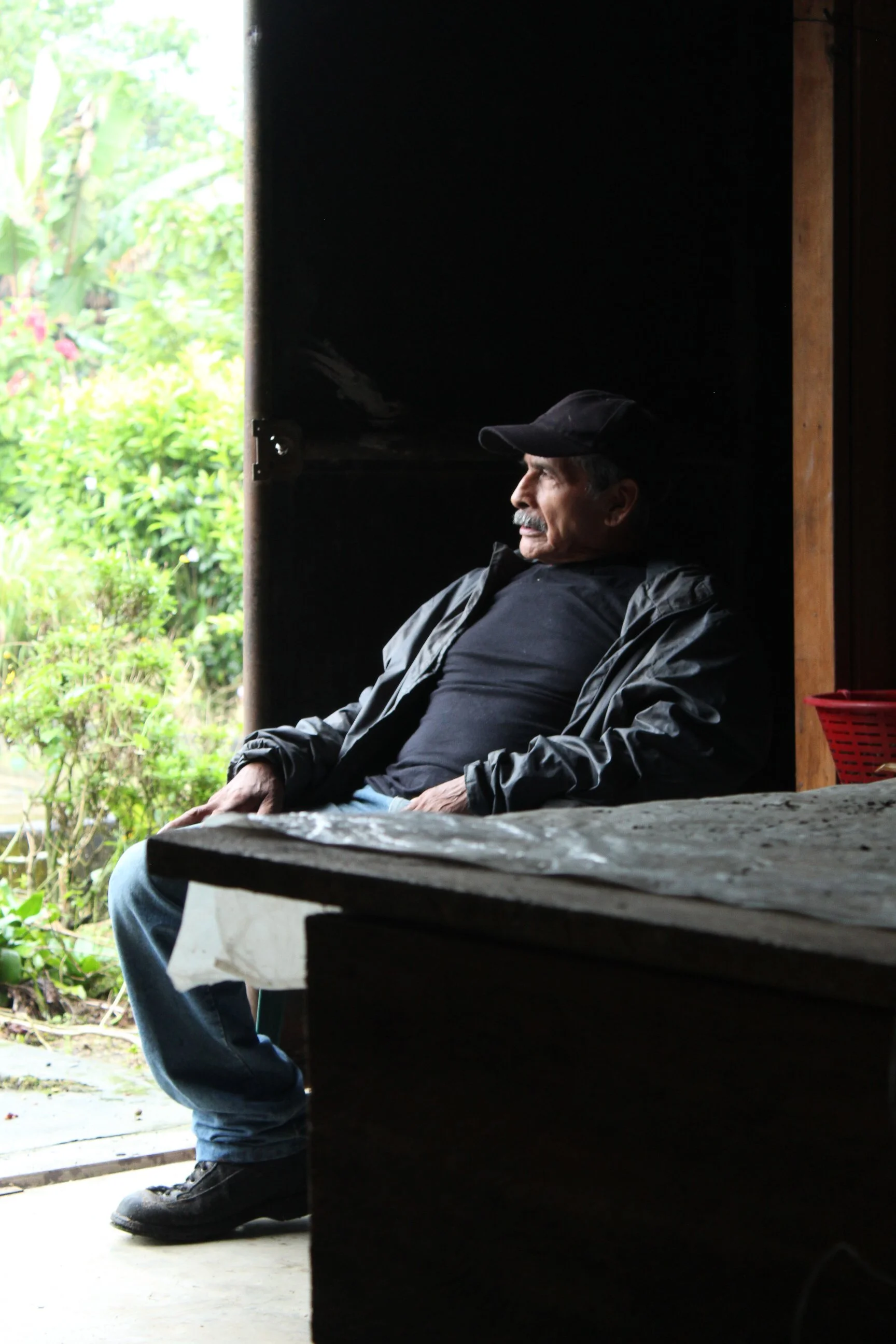
Don Micho reflecting on the coffee growing methods used as Santa Anita Cooperative works towards producing organic coffee
“In other words, we have to look at a lot of things [differently when] wanting to have an organic product, right? But there are moments when the mind is a phenomenon and says, ‘well, why should I keep the organic if I’m not getting paid well [for additional work]? And organic farming generates more [physical] work for me.’ Oh, but then I go back and think, ‘well, I’m drinking the coffee. I have my [healthy coffee] bunch. I’m fine like this because I’m going to have my land for many years.’
If I maintain [my land and plants] with chemicals, the water will wash it away, the river will carry it away, and I’ll be left with no land. Then my mind wins, but I mean my mind is at odds with itself … organic [then] wins because I know very well that I can take a little bit of soil [with my hand] and eat it because it won’t harm me.”
Organic coffee involves much more time and effort from the coffee producers — requiring many changes throughout the entire coffee process. To produce completely organic coffee, farming practices call for somewhat of a shift to prioritize natural resources over synthetic — including natural soil management practices like composting with leftover coffee cherry skin and other organic matter, intercropping shade trees, and proper field management — which adds nutrient-rich, organic fertilizer to the soil without using non-natural substances. Organic composting also boosts water retention, supplies additional nutrients like nitrogen, potassium, and phosphorus, and improves aeration for plant roots, although coffee plants that produce organic coffee have a lower harvest yield. Furthermore, during the post-harvest process, organic coffee needs different machinery to process it, as it can’t be processed with machines used for conventional coffee in effort to avoid contamination.
But beyond the label and the trend, organic coffee represents something much deeper for the coffee producers of Santa Anita Cooperative. Don Micho shared his perspective on key motivations behind the group’s commitment to organic coffee cultivation — grounded in both environmental awareness and cultural preservation:
“When we arrived here [at Santa Anita after buying the land], we came with the primary intention of preserving the Mayan culture … using organic products.
Today, there are only a handful of us working with organic products … Because we know what we want to drink, what we really want to consumer. But … it requires a lot of labor.
There are results [with chemical options], but the problem is … there are short-term results, but long-term problems. That’s just how nature is. You pay the price. Then you ask yourself, ‘What for?’
So yes, we are aware that we have to take care of Mother Earth, and that we have to take care of each other, because otherwise, we’ll be left without land.”
Moving towards organic coffee production is not only appealing in terms of market expectations, but it also protects the land, health, and future of these communities. The coffee producers of Santa Anita approach organic coffee farming with long-term thinking, where caring for the environment goes hand-in-hand with their commitment to their Mayan heritage, preserving their livelihoods, and ensuring that their land can be depended on for years to come and carry forward coffee cultivation for future generations.
The Future of Organic Coffee For Santa Anita
Ultimately, moving towards producing organic coffee is a gradual process and requires a great deal of knowledge, care, and resources. Although this transition is a timely process, this group of coffee producers are devoted and have even received additional encouragement by the local government, who supplied 5 quintales, or 500 pounds, of organic fertilizer to each coffee producer. As Santa Anita Cooperative continues to grow and strengthen their coffee growing practices, De La Gente remains committed to uplifting its members and strengthening their long-term resilience. In the coming months, we’re planning to work with this cooperative by reinforcing their coffee cultivation practices and implementing training sessions focused on strengthening their internal quality control systems — including reinforcing quality evaluation processes, and coordinating post-harvest management. This period serves as an important time for rebuilding and preparing for upcoming harvest seasons.
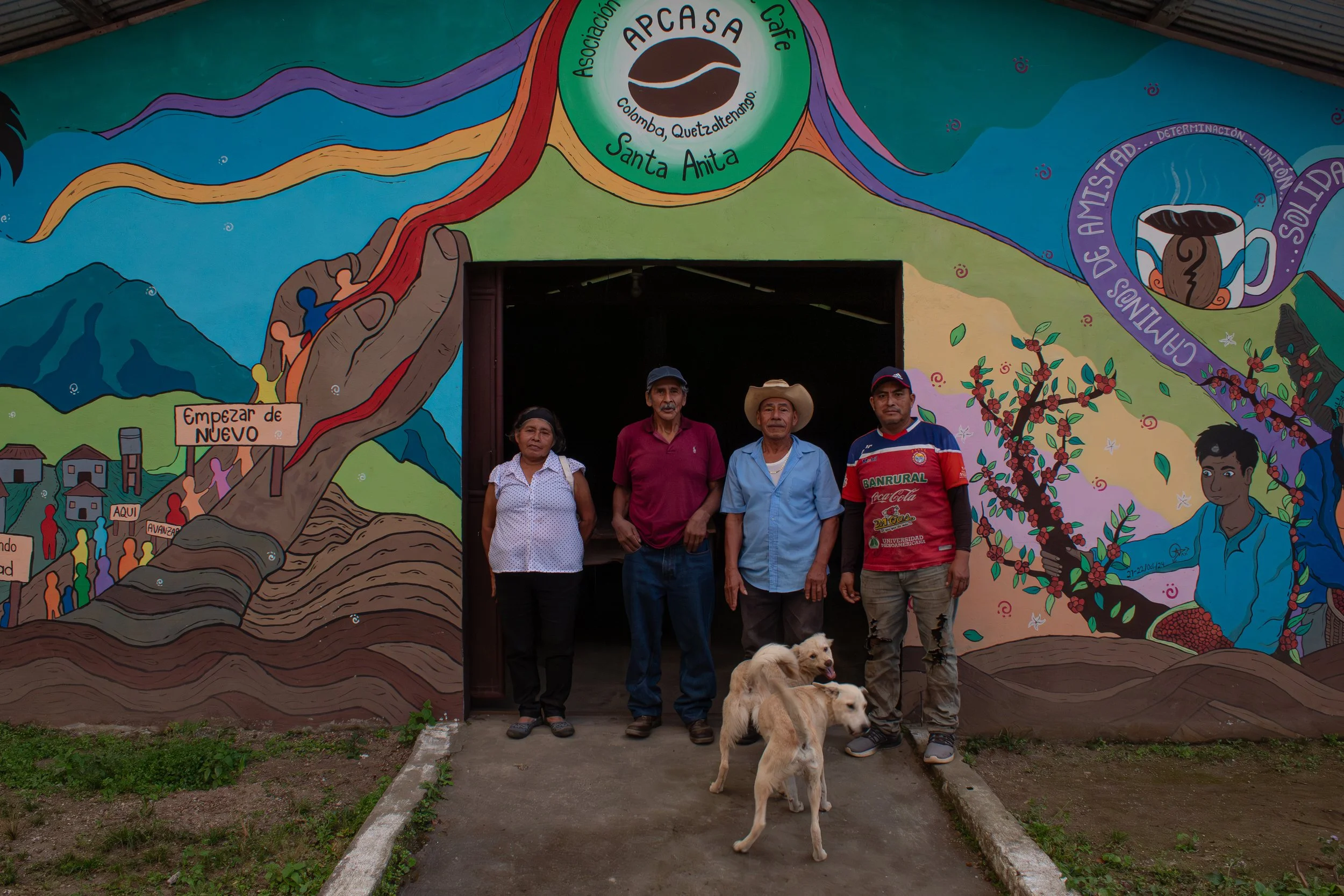
Group of coffee producers and members of Santa Anita Cooperative
Frequently Asked Questions:
-
Regenerative agriculture is a farming method that works with nature rather than against it. It’s the process of restoring depleted soils, enhancing biodiversity, and removing carbon dioxide from the atmosphere — creating a decrease of carbon through the increase of native plants and microorganisms in the soil — which aids plant growth and improves soil water retention capacity levels. Regenerative coffee farming is an ecologically friendly approach to coffee farming that focuses on strengthening these aspects in support of ecological restoration and improving the quality of coffee plants.
-
Fundamental practices used in regenerative coffee farming typically include agroforestry through the implementation of shade grown coffee methods, composting and organic fertilizer use, cover cropping to reduce soil erosion, and pest management. These methods focus on restoring soil fertility, enhancing biodiversity, and creating a more resilient and sustainable coffee growing environment — having a positive impact on the ecosystem and the livelihoods of coffee producers and their families.
-
Regenerative coffee farming is important because it restores soil health, increases biodiversity, and creates more climate-resilient ecosystems that protect the environment and ensure sustainable livelihoods for producers. By utilizing regenerative coffee farming practices, the use of harmful chemicals are eliminated, and carbon sequestration is promoted (carbon dioxide is captured through planting more native trees) — all leading to the production of healthier, high-quality coffee while reducing dependence on inorganic materials.
-
Organic coffee farming revolves around the balance of the biodiversity of the environment and maintaining healthy soils — overall avoiding the use of synthetic fertilizers or chemicals. To convert to organic coffee farming and become officially certified as organic, the process requires a 3-year transition period to ensure that the land is free of chemicals — which sometimes impacts harvest yields as the ecosystem adjusts. During this process, soil health is rebuilt by composting, as the process builds moisture retention and feeds microorganisms like bacteria, archaea, fungi, and other microbes within the soil. These microorganisms are important for natural nutrient cycling processes, decompose organic matter, and build soil structure.
-
For coffee farming communities, the biggest challenge involving the shift towards regenerative agriculture and organic farming involve the economic and financial barriers. To begin integrating new regenerative farming practices, it may require training and knowledge, which is not only costly, but may also seem very discouraging at a first glance. Additionally, transforming causes a temporary reduction in coffee harvest yields and creates monetary constraints. From a financial standpoint, many small-scale coffee producers don’t have much flexibility in this kind of investment — making it difficult to implement without guidance, financial incentives, and technical support.
-
Organic coffee farming requires more labor, leading to higher production costs. Without chemical inputs, more manual labor is required to maintain soil health, control weeds, and manage organic materials, like composting. Additionally, organic certification costs are particularly expensive to obtain, especially for small-scale coffee producers.
