

The Human Side of How Coffee is Made | Getting to Know the Roles of the Coffee Pickers
by Aliisa Oake
Coffee harvest season is a beautiful yet time-consuming period in Guatemala, and it takes a community of people to make it all happen. Taking a closer look at the responsibilities involved in coffee harvesting exposes the human side of how coffee is made — which is the side of coffee that’s the most important, yet often forgotten.
The formation of intricate flavor notes and high quality characteristics associated with specialty coffee involve the people at the core of coffee cultivation. One of the primary flavor development stages occurs during the coffee harvesting stage. This is an essential step in how coffee is made, and responsibilities lie in the hands of coffee farmers and hired coffee pickers, who are otherwise known as the “cortadores de café”.
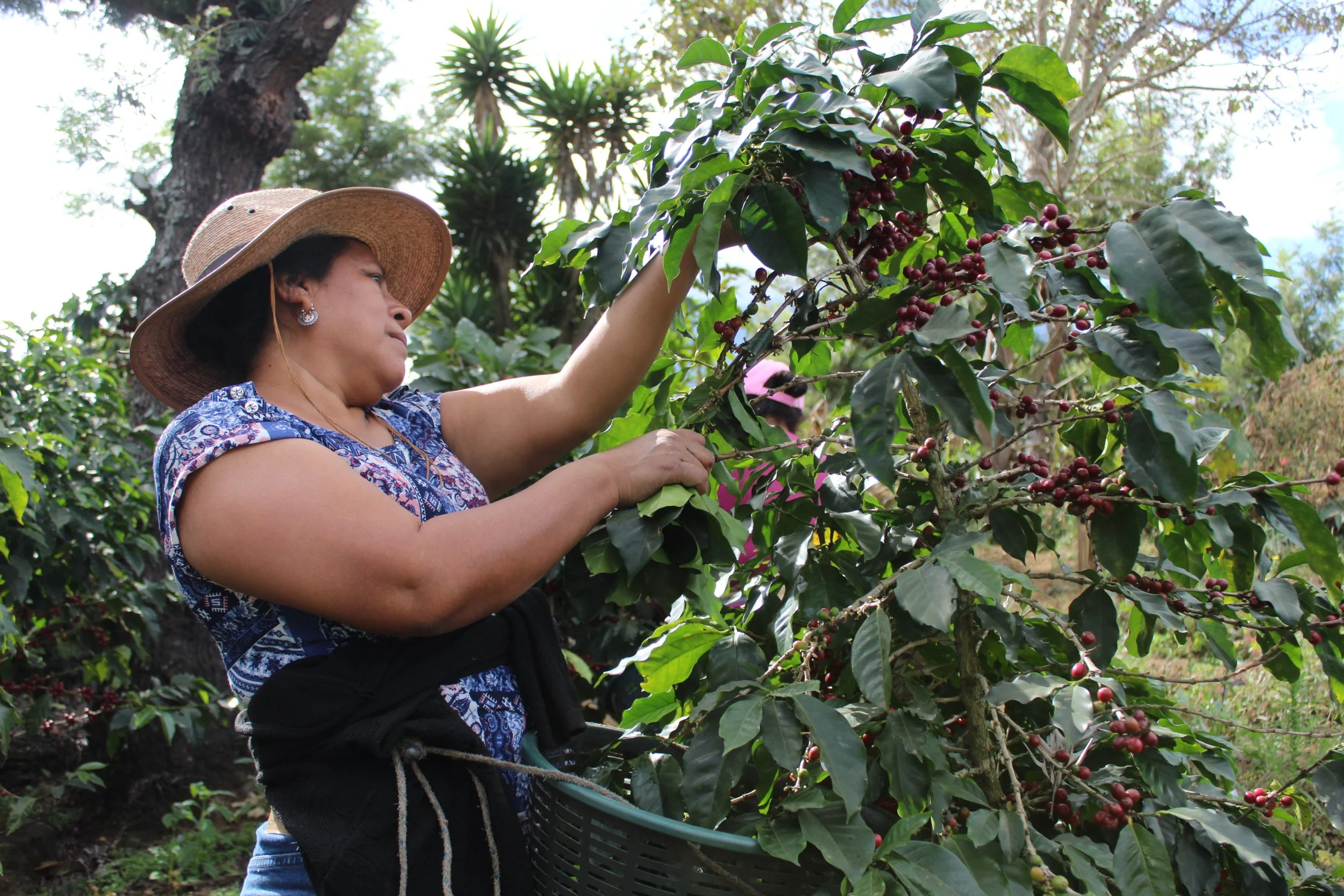
Woman coffee producer and member of The Women Caficultora Network harvesting coffee cherries in farm located in Antigua Guatemala
The Roles of “Los Cortadores de Café”
Many small scale coffee producers own larger plots of land, typically between 3 to 10 cuerdas (about 1.5 to 5 acres). Within each cuerda, it’s possible to plant around 300 to 400 coffee trees — also making it nearly impossible for a coffee producer to harvest all of their coffee cherries on their own, even if they work with family members or neighbors. The work involved in coffee harvesting is also incredibly strenuous and labor intensive, so the more hands the better. For this reason, coffee producers hire seasonal workers, los cortadores de café.

The roles of coffee pickers are to manually harvest coffee cherries when they’re at peak ripeness. It can’t be that difficult, right? Not quite. This step of how coffee is made is one of the must crucial, also making it one of the most physically demanding and timely.
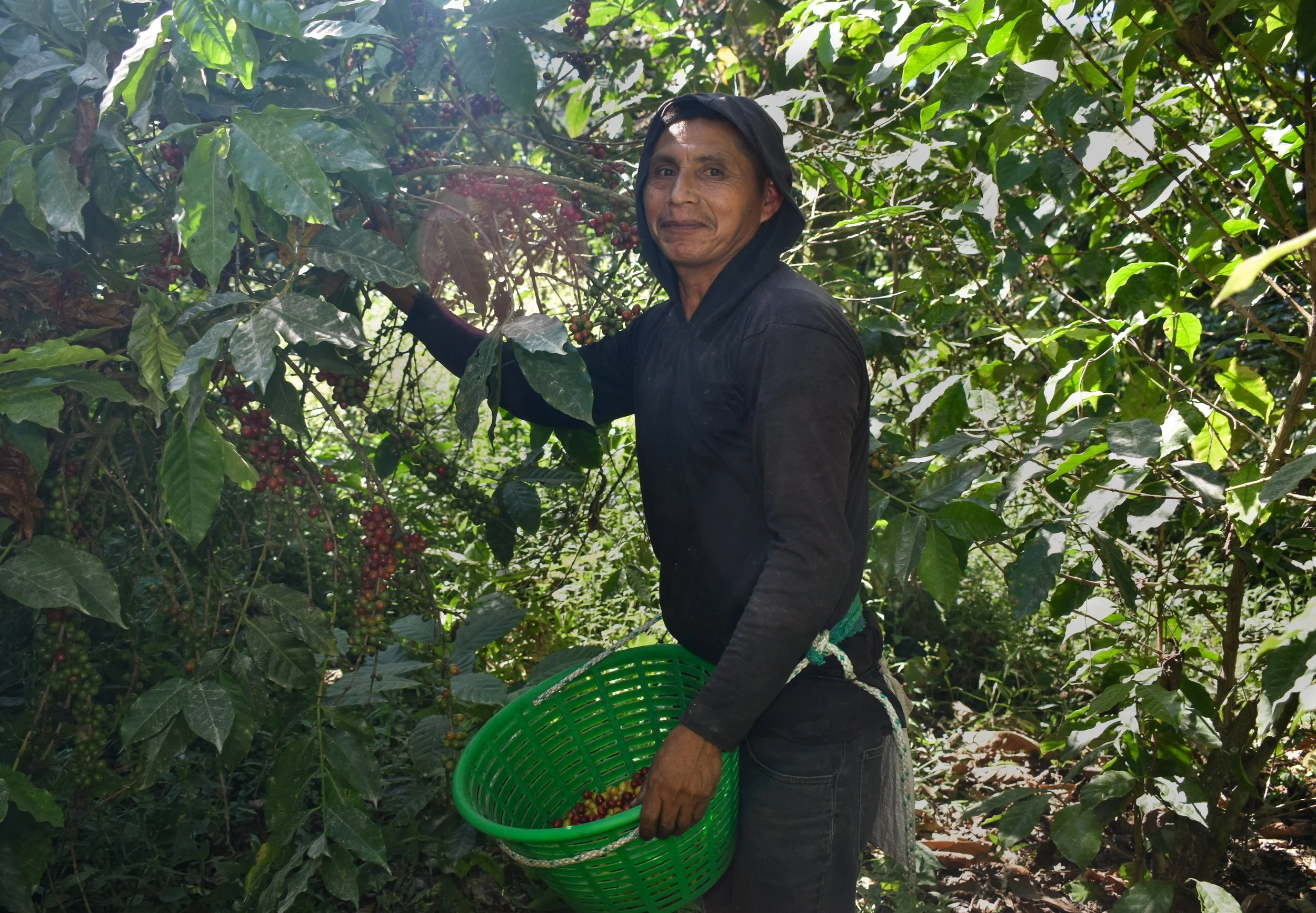
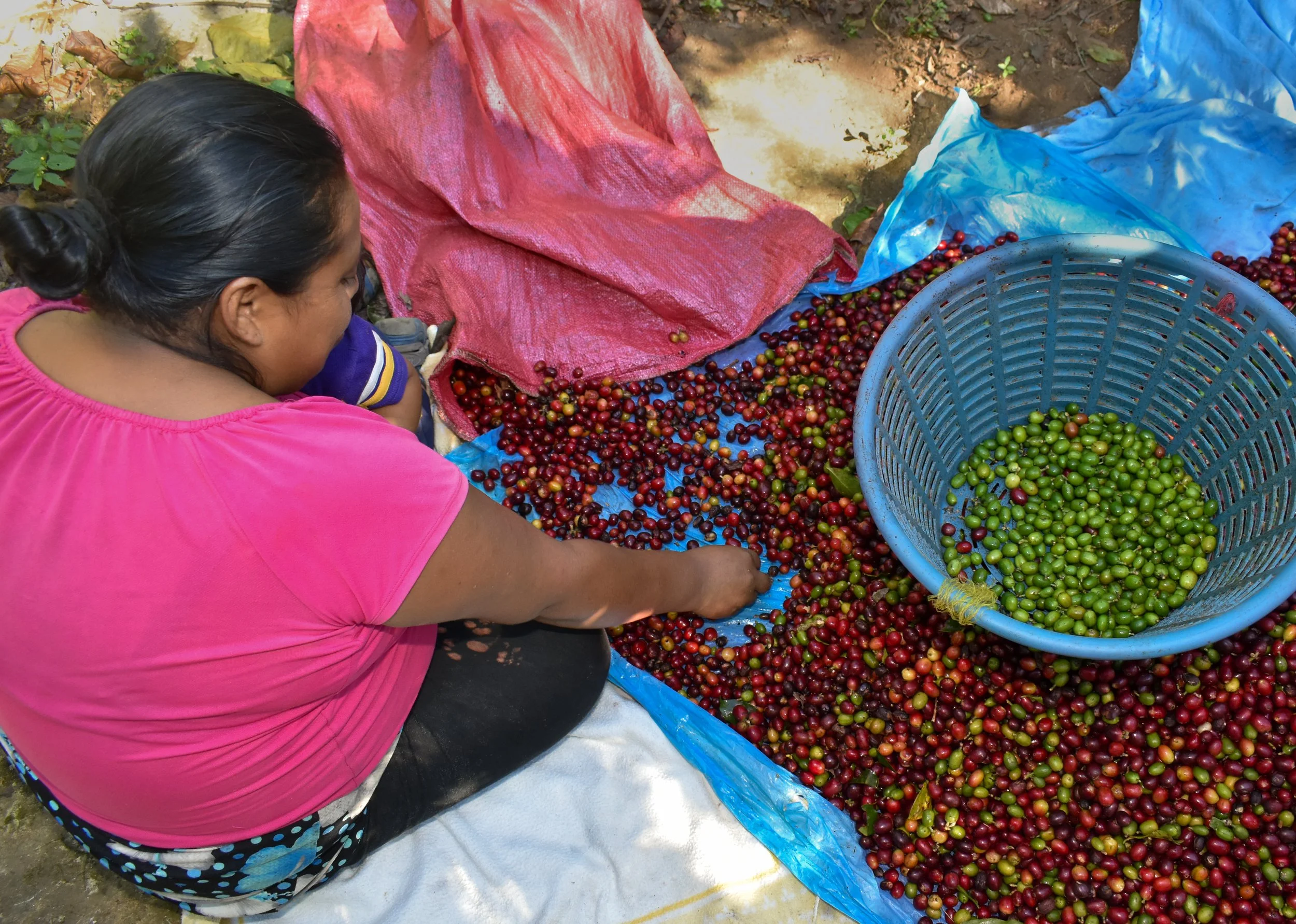
During coffee harvest season, coffee cherries ripen at different times. The season typically spans between four to six months — the time frame where the work of coffee pickers come into play. These hired individuals spend hours upon hours hand-picking coffee cherries in coffee farms located in high elevation regions while working under the sun, navigating steep terrain, and carrying pounds of perfectly ripened coffee cherries in baskets tied to their waists. On an average day, a coffee picker will harvest around 100 pounds of coffee cherries. Their skill, patience, and endurance is incredibly important and valuable — meaning that coffee harvesting requires attentive techniques. The ripeness level of the cherries directly influences the outcome of the final cup, shaping the flavor, aroma, and profile of the coffee. As coffee pickers move through fields harvesting coffee, they also need to sort through collected cherries to remove leaves, twigs, underripe cherries, and damaged fruit from their baskets before handing off their day’s harvest to their supervisor. This sorting ensures that only high-quality cherries move forward in the production process.
How Does Coffee Harvesting Impact How Coffee is Made?
Arabica coffee trees must be cared for throughout the year to promote healthy plant and coffee cherry development, but coffee harvest season lays the foundation for coffee quality — playing a key role in shaping how coffee is made and initiating which flavors will be found in the final cup of specialty coffee. Selective coffee harvesting is one of the defining characteristics in the early stages of specialty coffee production, making the roles of coffee pickers even more important.
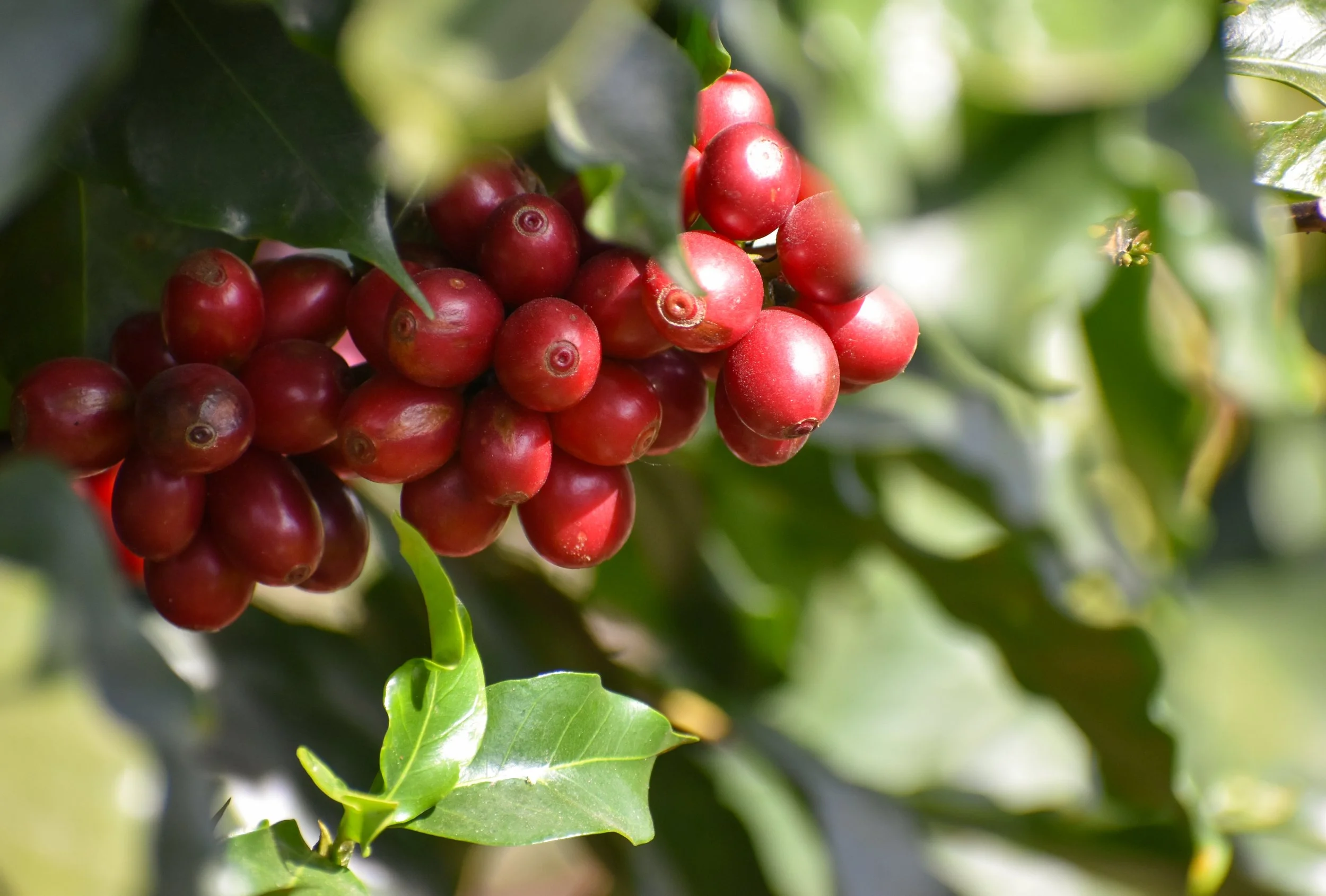
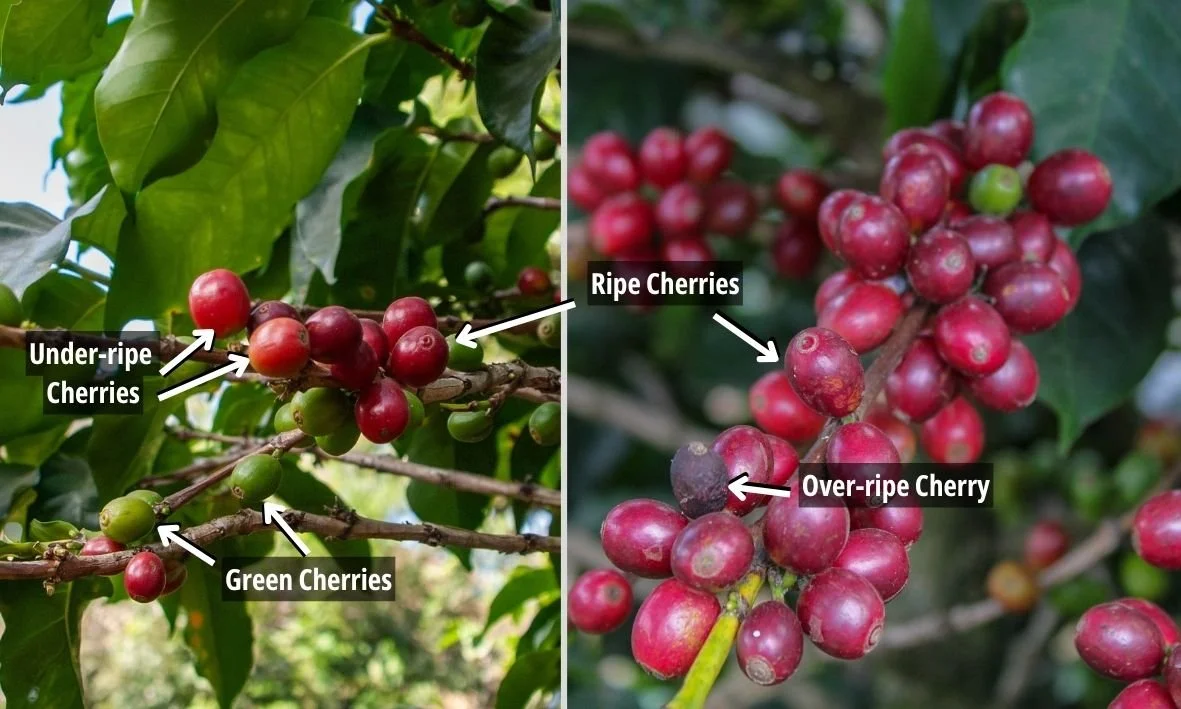
The attention to detail is what makes hand-harvesting coffee cherries so valuable. Coffee cherries ripen at different rates throughout harvest season, so coffee pickers must carefully identify and harvest only the ripest coffee cherries. Perfectly ripened coffee cherries have a shiny, vivid, and perfectly consistent color of deep red or burgundy. Coffee pickers rely on their experience to distinguish between ripe, underripe, and overripe cherries. If cherries are picked too early and are underripe, they will be hard and green, producing a bitter or grassy flavor when roasted and brewed. If picked too late and are overripe, sugars begin to ferment while the cherry is still on the plant, creating vinegary or harsh flavor in the coffee.
Historical Impacts of Coffee Harvest Season in Guatemala
In Guatemala, coffee is a cultural tie spanning across generations around the country, contributing to both its identity and economic growth. Ever since coffee became one of Guatemala’s primary commodities in the 18th and 19th centuries, coffee harvest season remained a significant time of year for coffee growing communities. The industry continues to employ thousands of individuals as Guatemala remains one of the world’s top coffee producing countries. Beyond its economic relevance, coffee has influenced the daily lifestyle of coffee growing communities throughout the country — creating traditions, relationships, and connections that extend to those involved in coffee cultivation.
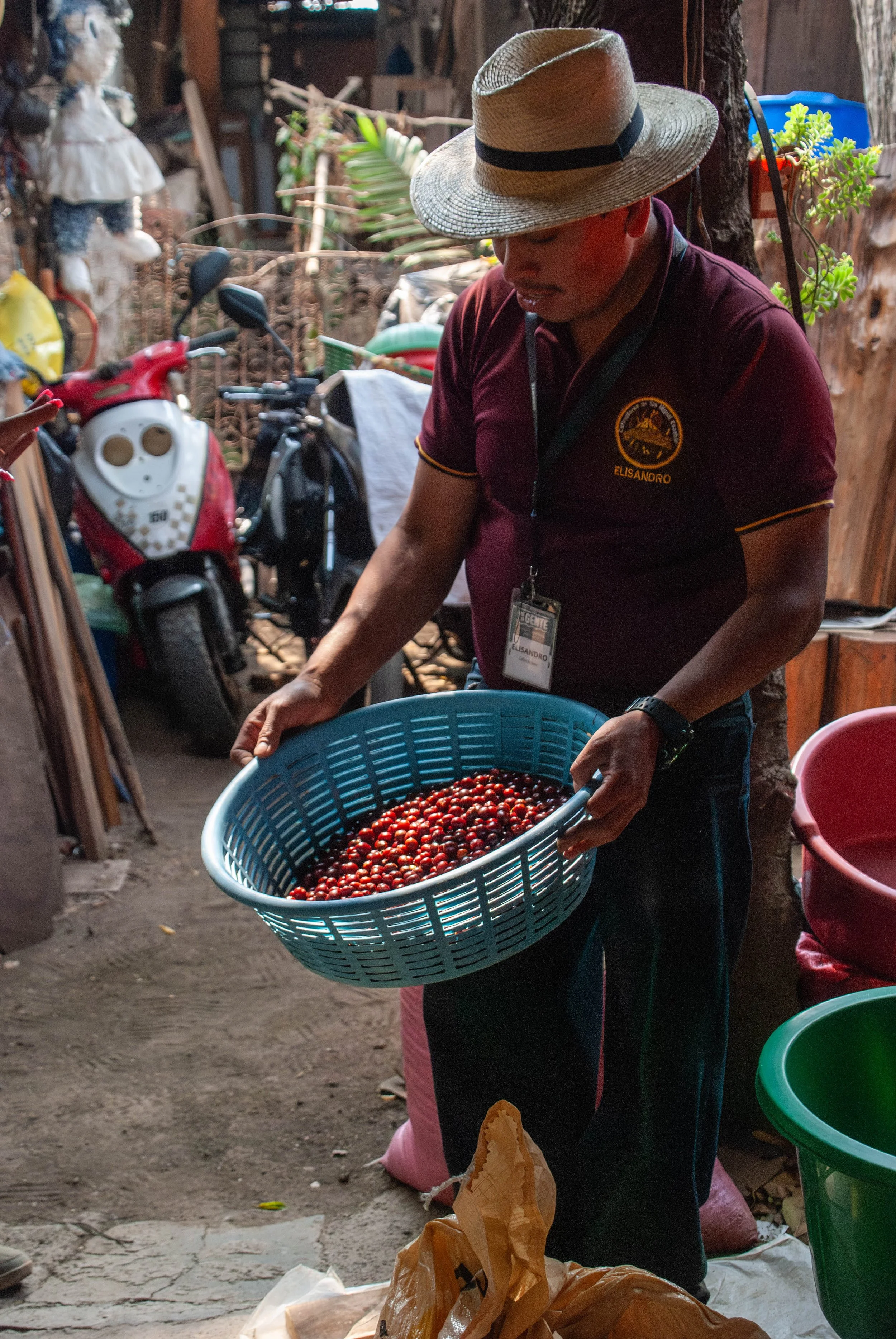
Coffee producer after a day spent coffee harvesting in Antigua Guatemala
Peak harvest times generally fall between December and April, bringing many families and groups of coffee pickers from different regions of Guatemala to specific coffee producing areas as they search for seasonal work. Seasonal dependency on work also traces back to the 19th century, which triggered mass migration throughout the country. A need for income continues to motivate laborers in their migration patterns throughout Guatemala as they find work harvesting coffee or fulfilling other agricultural-related positions in Guatemala and other neighboring countries, like Mexico or Honduras.
Among these migrant workers are children who accompany their parents and sometimes even contribute to picking and sorting coffee cherries, which increases the family’s daily harvest. The minimum working age in Guatemala is 14 years old, but unfortunately the work of coffee pickers isn’t limited by law, making this one of the harsh realities involved in coffee production. In rural areas of Guatemala, the school year has been adjusted based on the coffee harvest season to better accommodate children who help their families during peak harvest — although children sometimes work in the fields instead of studying.
Over time, fair trade practices implemented by organizations and groups strengthened, ensuring that those involved in coffee production receive a fair wage for their labor, livelihoods are supported, and commitment to ethical and sustainable coffee cultivation is reinforced. In these efforts, child labor issues are confronted through the implementation of temporary daycare or schooling services directly on farms to provide safe learning spaces and encourage education for migrant children while their parents are working in coffee fields.
How Coffee is Made Through Collaboration and Care
Ultimately, how coffee is made is a story of people. By understanding the human effort behind each cup of coffee, we can gain a deeper appreciation for the labor and communities involved in bringing coffee to life.
The coffee harvesting stage is highly human-centered — similar to many stages involved in how coffee is made — but despite their diligent and fundamental work, the role of the coffee picker is often the least visible stage. Coffee harvesting is a collaborative process that relies on the contributions and care of many individuals working together to create the highest-quality coffee possible. Relationships between farmers and coffee pickers are built on trust and teamwork — having a shared responsibility of protecting and developing coffee quality levels. The vital contributions of coffee pickers transforms years of cultivation practices into a successful harvest.
As the coffee industry prioritizes transparency and ethical sourcing practices, providing greater recognition of coffee pickers and other members involved in early coffee cultivation stages, a more sustainable supply chain system is supported. Through the involvement of coffee farming cooperatives and subsequent community-focused initiatives, many groups of coffee farmers and supporters work to better recognize and represent the valuable role of coffee pickers and implement better labor conditions. With cooperatives being owned and operated by coffee producer members, they often place a greater emphasis on fair compensation and ethical labor practices — contributing to better individual well-being and a more sustainable coffee industry.
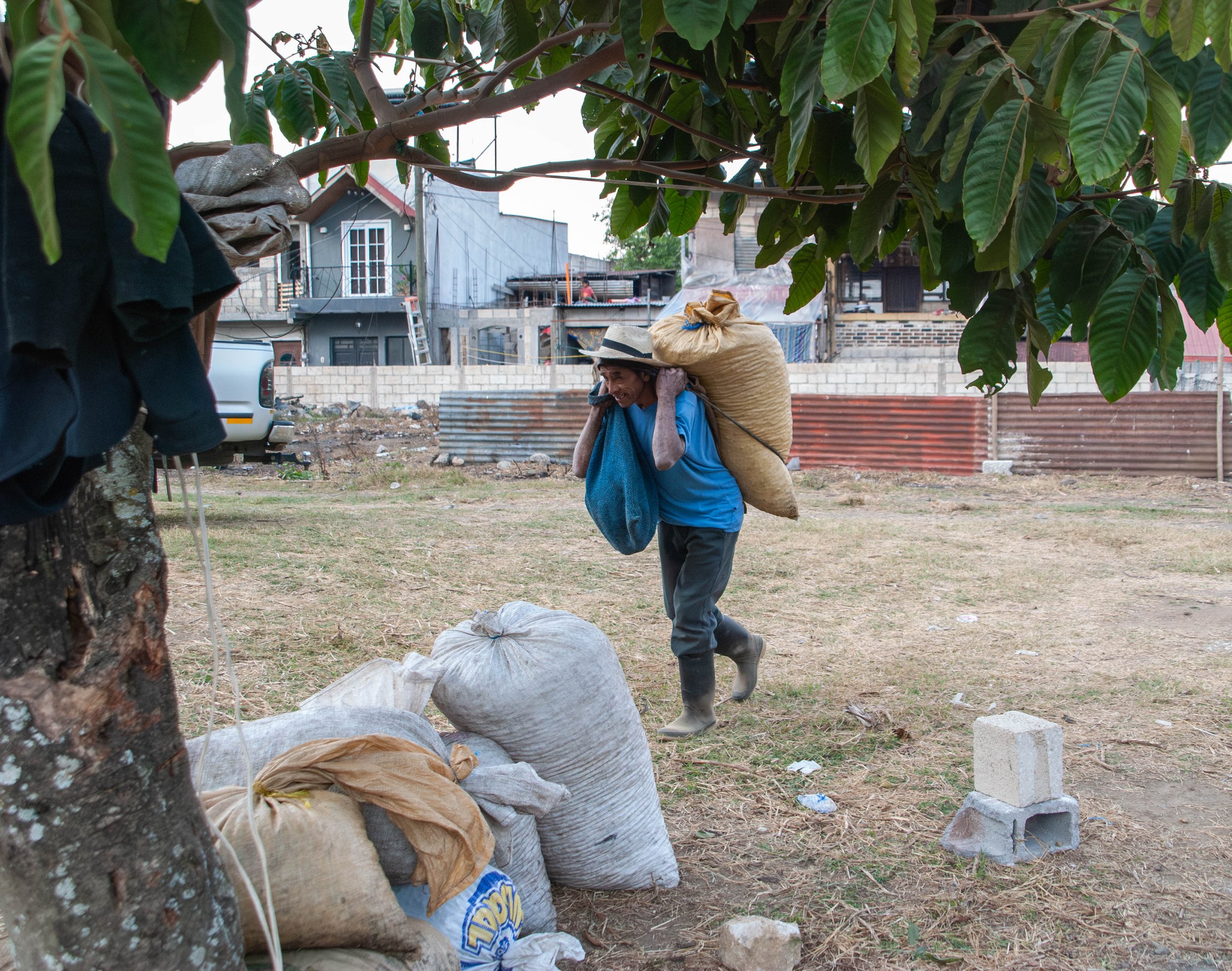
Coffee picker arriving with coffee cherries at Ija’tz Cooperative in Atitlán coffee growing region in Guatemala
