Increasing Productivity in Coffee Production | Farmers Cooperatives in Guatemala Represent Community Sustainability
By Aliisa Oake
Farmers cooperatives are member-owned and farmer-run organizations where small-scale farmers work together to achieve shared agricultural, economic, and community goals. The shared responsibilities involved in coffee cultivation in Guatemala are maintained by the shared work of individual producers, which becomes more effective through the collaborative support system fostered by the functions of farmers cooperatives. Cooperatives demonstrate the possibilities made through strength in numbers, showcasing that collective action supports broader community sustainability goals by furthering resilience, collaboration, and opportunities that benefit producers and their families.
In this blog, we’ll explore what farmers cooperatives are and how community sustainability levels are maintained through the roles of these farmer-run organizations. Get a deeper understanding of why cooperatives empower members in coffee communities and how De La Gente works in partnership with different coffee farmers cooperatives in Guatemala through the Smallholder Development area of our work in correlation with our Partner Cooperatives.
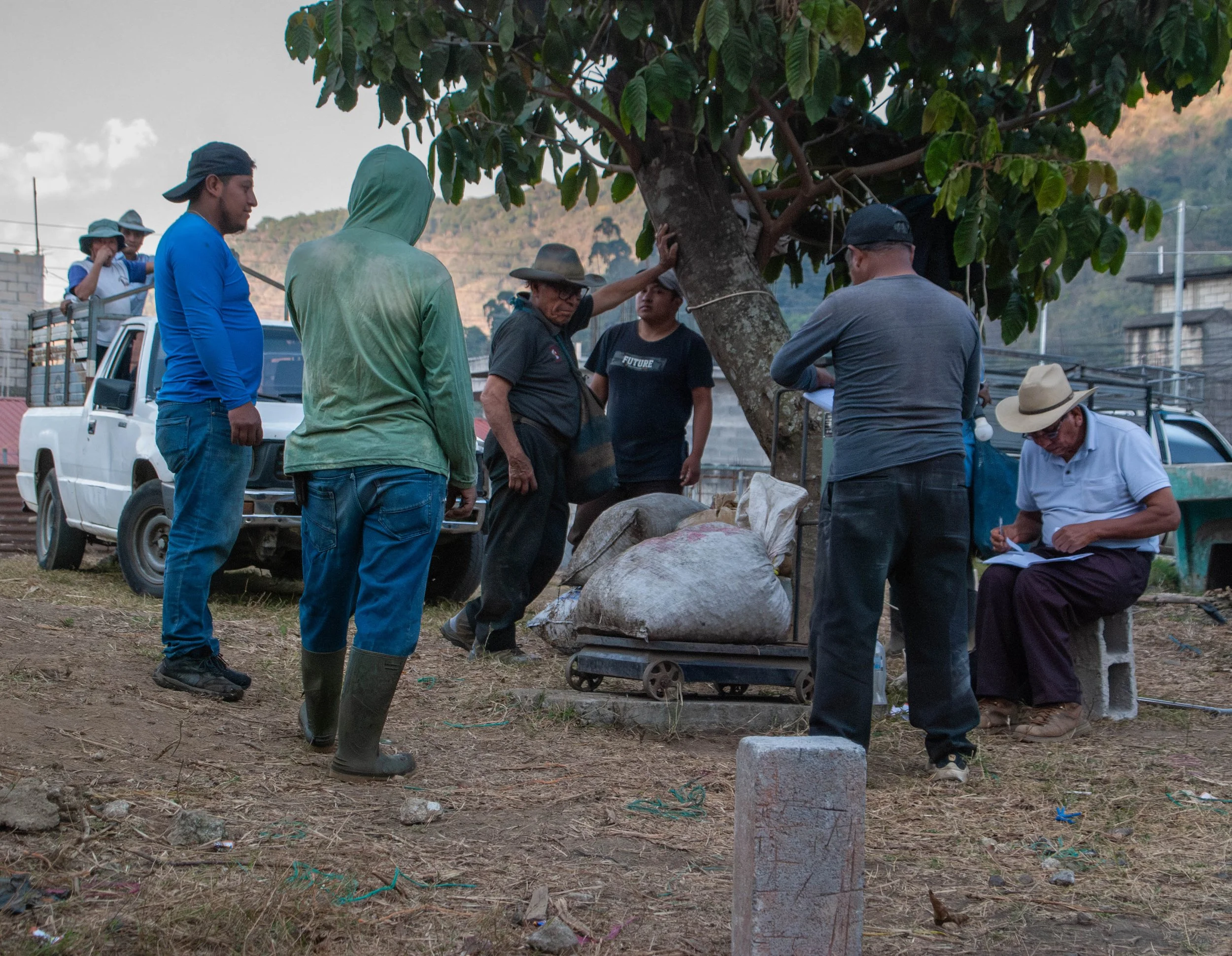
Coffee farmers cooperative in Atitlán region of Guatemala (Ija’tz Cooperative) gathered after harvesting coffee cherries
The growing importance of cooperative models gained global recognition as the United Nations declared 2025 as the International Year of Cooperatives under the theme “Cooperatives Build a Better World.” This theme reinforced the importance of the collective action of farmer-run and member-owned businesses through the role that cooperative models play in creating more equitable, resilient, and sustainable communities. As displayed by coffee growing communities in Guatemala, the establishment of farmers cooperatives, along with the success of their achievements, depends on the mutual collaboration of small-scale producers. In support of this, De La Gente works in partnership with nine different coffee farming cooperatives in four of Guatemala’s coffee producing regions, as well as other smallholder farmers and their associated farming cooperatives. We work in association with members to support them in their work, while also building more resilient communities through additional impact areas. Our partner cooperatives represent what can be achieved through collective efforts, showing how strength in numbers fosters progress, expands opportunities, and supports goals that may otherwise be difficult to accomplish alone.
What is a Cooperative? How do Farmers Cooperatives Work?
Cooperatives build a better world by creating more equitable business functions with focuses on shared ownership through collective support systems, which lead to the creation of more opportunities. In the case of farmers cooperatives, these organizations are maintained by small-scale farmers who work hand-in-hand to increase their productivity levels while also securing access to more resources, creating new advancements, openly exchanging knowledge, and improving their market opportunities locally and internationally. In agriculturally focused communities, farmers cooperatives build a better world by overcoming barriers and enhancing the stability of their livelihoods.
Farmers cooperatives function in similar ways as any cooperative in working collectively to assist members depending on their needs, but are more agriculturally focused. Collaboration and support amongst small-scale producers allows for a stronger focus on the long-term stability of their industry by strengthening productivity levels while fostering community sustainability. In comparison to traditional business models, cooperatives are structured around shared ownership and democratic participation where decisions are made together, ensuring that farmers’ interests remain a priority. Each member has a right to vote on leaders or board members, which are elected to help oversee business operations, finances, and support strategic decision-making. When implementing decisions through this leadership structure, the needs and goals of each member and of the cooperative are reflected.
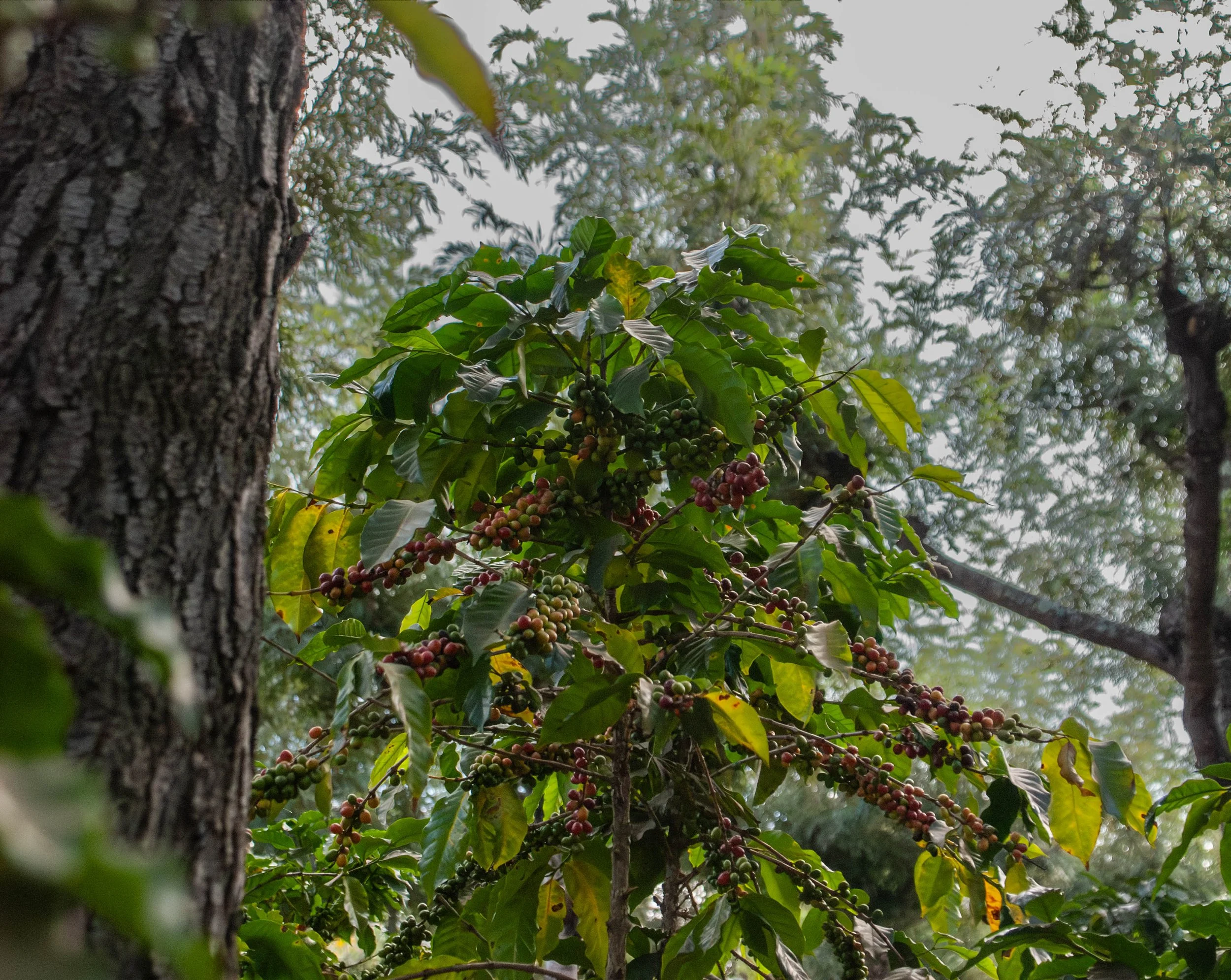
Field of coffee farm owned by a member of a farmers cooperative in the Antigua coffee-growing region of Guatemala
One of the main attractions towards becoming involved in a farmers cooperative is that members work together while still maintaining sole ownership over their individual farms. In terms of business functions, cooperatives maintain a similar operating power as a larger business would, but members still have a sense of independence. In agricultural cooperatives, members also gain economic advantages as materials and resources are shared, which saves money on supplies, allows access for participation in training programs, makes obtaining financial assistance easier, and much more. Additionally, commercialization efforts are strengthened due to harvest volumes being pooled together for export, which allows cooperative groups to access larger buyers or foreign markets.
How Coffee Cooperatives Increase Productivity in Coffee and Promote Community Sustainability
Throughout the 20th and 21st centuries, coffee cooperatives have played an important role in increasing productivity in coffee cultivation. The growth of cooperative involvement is largely related to the urgent need to improve sustainability standards within the coffee industry. In turn, members feel more empowered as resiliency and community sustainability initiatives are supported by member involvement and being able to reach achievements that are quite difficult for producers to achieve alone.
Farmers cooperatives create the space for members to adopt advanced technologies and new infrastructure through the collective investment in equipment, processing facilities, storage units, or updated means of transportation. In Guatemala, many coffee cooperatives have invested in constructing shared wet mills, community drying patios, warehouses, and obtaining natural fertilizers, which have greatly improved efficiency levels, especially during the midst of harvest season and in post-harvest phases of coffee cultivation. Production costs are also lower through maintaining centralized operations and sharing infrastructure. In addition, it’s often easier for cooperatives to apply for and secure financial loans because creditors are able to see that reduced risks are present through a broader income stream, which can be leveraged as shared collateral.
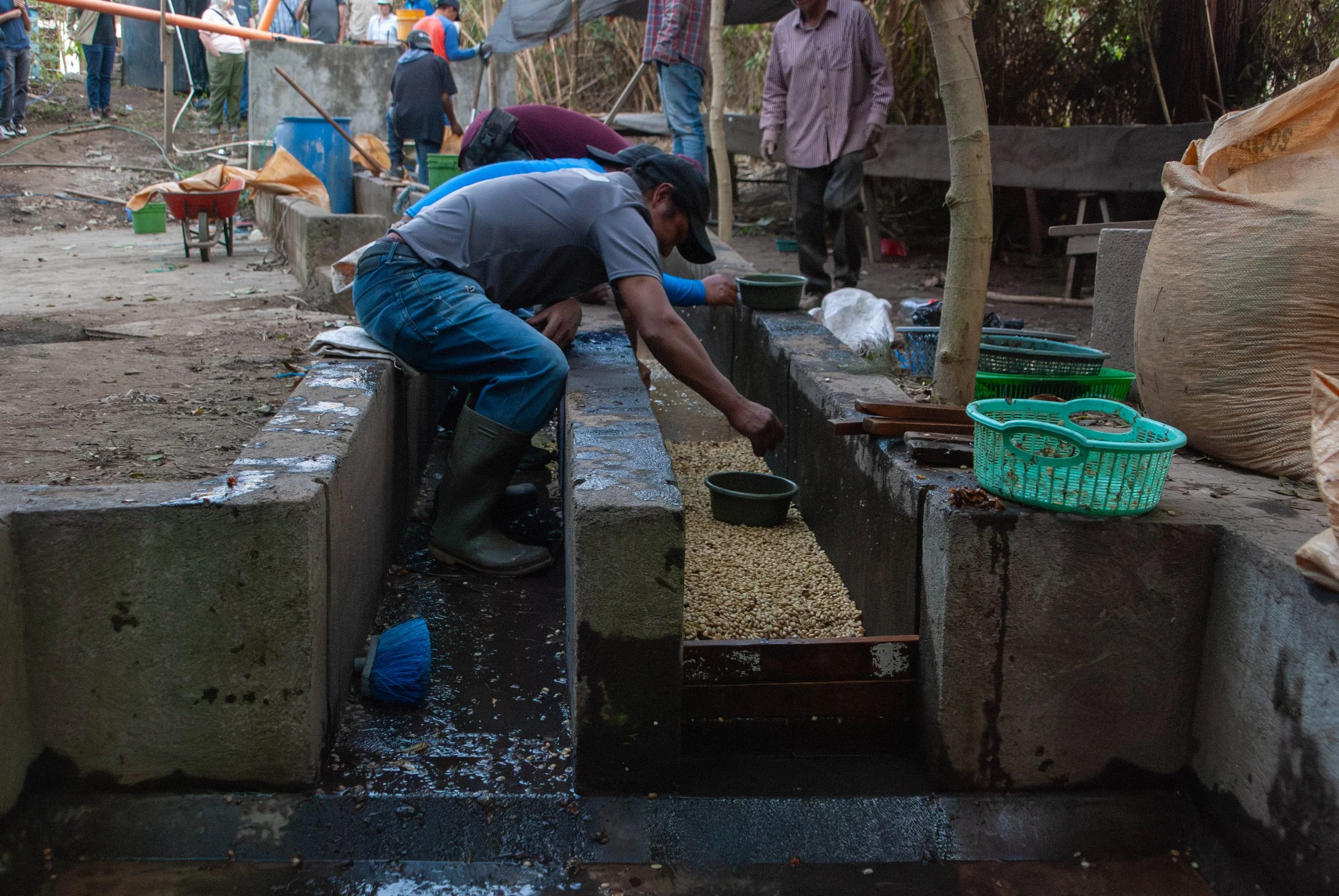
Collective washing station at Ija’tz Cooperative in Atitlán region of Guatemala
As coffee producers who are members of farmers cooperatives embody strength in numbers in the fields by maximizing their yields and efficiency levels, which contributes to community sustainability efforts as steadier levels of financial stability are reached. At first glance, enhancing productivity in coffee leads to a higher quality coffee, in turn generating a higher premium for specialty-grade beans in comparison to prices paid for commodity-grade levels of coffee. But, when coffee producers work towards increasing the quality of their coffee beans through careful harvesting techniques and cultivation methods, harvest volumes are increased through the joint efforts of multiple coffee producers brought together by their involvement in a cooperative. When coffee is processed as a collective group, members are able to reshape the ways in which their coffee is commercialized. Higher prices are negotiated, intermediaries are bypassed, and market access is strengthened by selling coffee directly to buyers. As a result, the farmers cooperative’s revenue increases and members gain a fair share of the cooperative’s net-earnings, which also ensures that profits remain in the hands of producers.
De La Gente’s Partnerships with Farmers Cooperatives in Guatemala
Our work at De La Gente is rooted in the partnerships we’ve created with pre-established farmers cooperatives in Guatemala. Through the Smallholder Development area of our operations, we work alongside smallholder farmers and cooperatives located in various farming regions in Guatemala — the largest area being with nine different coffee cooperatives located in four of Guatemala’s coffee-growing regions. Through long-term relationships, we maintain an open communication with each cooperative and work directly with members in order to prioritize their needs and shared goals, while also maintaining transparency and creating a progressive change in their communities.
For many small-scale producers, accessing consistent buyers and maintaining long-term commercialization opportunities are difficult when working independently. In efforts to overcome the barriers faced by small-scale producers while furthering community sustainability endeavors in Guatemala, we’ve established a relationship-based trade model. This model provides our partner cooperatives with increased market access, financial stability, and visibility within the supply chain. In our work, we move away from transactional buying as our trade relationships are built on mutual trust and understanding, allowing producers to better plan for future harvests and feel more supported in navigating their work. Buyers prioritize sourcing traceable goods and create a direct connection with the people involved at origin, which play a role in strengthening commercialization opportunities in a more ethical manner.
“It’s a very pleasant experience … It’s an experience that involves a lifestyle that one adopts by living in the coffee [industry]. Being in a cooperative opens many doors, doors in commerce, doors in tourism, and you have better plantations thanks to the favorable income you generate. These benefits are obtained through the effort of processing coffee … Our lifestyle has been much better and is more complete. [We are able to] cover many more of our necessities and it allows for greater personal development.”
~ Ángel Rafael, member of The Coffee Growers of San Miguel Escobar
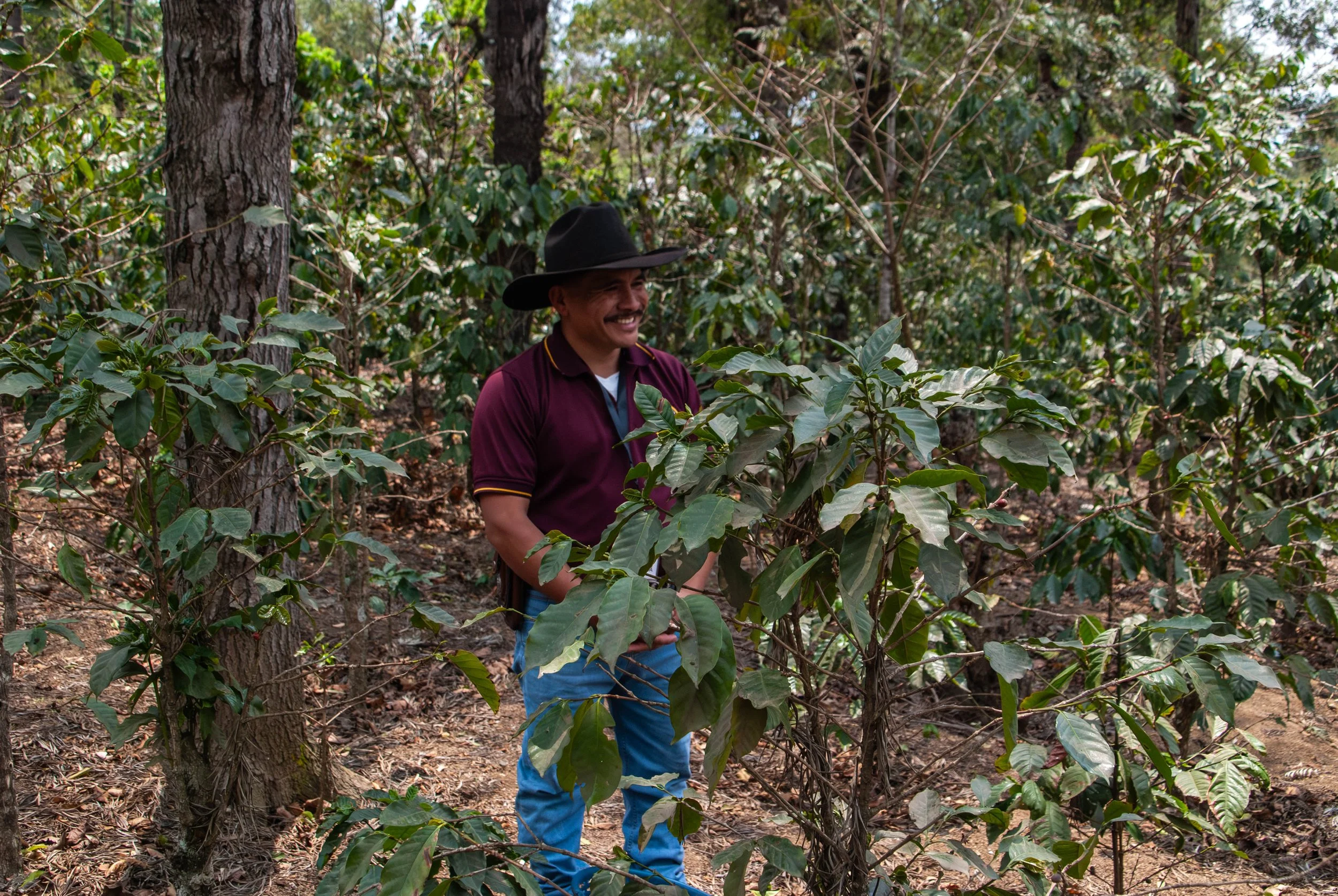
Ángel, a small-scale coffee producer and member of The Coffee Growers of San Miguel Escobar
Open communication between cooperative members, buyers, and our team at De La Gente has been key for us in the establishment of a strong support system. In each area of our work, we strive to support farmers cooperatives by working alongside them — adapting to each of their leadership methods when necessary and always maintaining producers’ needs and priorities. Through our cooperative partnerships, members always maintain ownership of their operations and make their own decisions that reflect the needs of their communities. Our role involves providing necessary guidance and assistance needed to strengthen connections, expand opportunities, and further community sustainability. In the work of our Smallholder Development program and providing cooperative assistance, combined with the advocacy of our supporters, we have implemented various community-focused initiatives, such as improving infrastructure, facilitating multiple trainings related to the improvement of coffee quality levels, and providing a more stable income through consistent markets. We have witnessed the many ways in which cooperatives build a better world. The impact created by each cooperative we work with extends beyond agricultural production as it strengthens individual livelihoods, uplifts communities, and gives light to reaching a path towards a more equitable future of coffee and agriculture in Guatemala.
