

Balancing Innovations in Coffee Processing with Sustainability and Prioritizing the Needs of Producers
by Aliisa Oake
Innovation in coffee is quickly becoming an integral part of the coffee industry, shaping how coffee is grown, processed, and consumed. One of the most influential factors in coffee-related innovation is global consumer preferences, especially as buyer behavior gravitates towards differentiating specialty coffee experiences and unique coffee flavors.
In response to consumer trends and global influences, coffee producers are encouraged to continue cultivating high-quality, specialty grade coffee while also exploring experimental coffee processing methods to create even more distinctive flavor profiles as buyers seek to present more diverse specialty coffee offerings. But what impacts do coffee processing innovations have on small-scale coffee producers? How can sustainability in coffee production be balanced with consumer market trends?
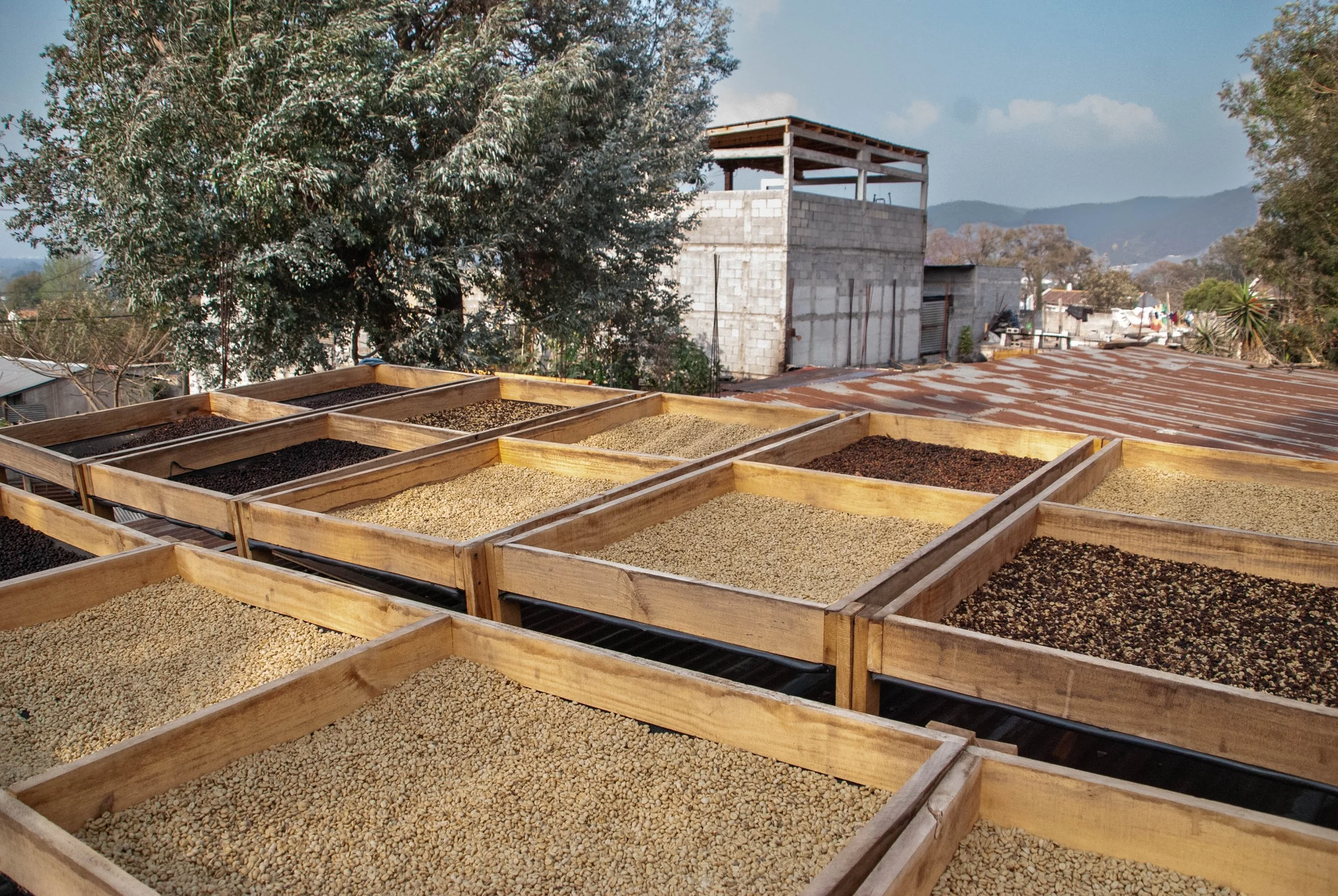
Coffee drying on raised beds placed on the roof of a coffee producer’s home in Antigua Guatemala
For small-scale coffee producers in particular, innovation in coffee processing presents both opportunities and challenges. When successful, experimental coffees offer a new way to stand out in a saturated industry while gaining more recognition and higher incentives for their specialty coffee. On the other hand, when processing is unsuccessful, entire lots could be lost — sacrificing payments for their harvest. What often goes unnoticed in this stage of the cultivation process are the resources, knowledge, and responsibilities required by small-scale producers to develop and execute innovations. The associated risk of experimentation can also place significant financial strains and pressures on producers and their families.
Understanding the opportunities and challenges presented by innovative coffee processing methods is beneficial when understanding how to maintain sustainability in coffee. In support of this, the capabilities and needs of small-scale coffee producers must be considered to ensure that innovation doesn’t create additional pressures, and that new methods are both feasible and beneficial.
What is Innovation in Coffee?
Before exploring specific innovations in coffee processing, let’s first understand what innovation in coffee means across the coffee industry. Innovation in coffee is a broad concept involving the development and use of new methods, tools, and technologies across the different stages of the coffee value chain.
On the cultivation side of coffee, innovations such as regenerative and organic farming methods help producers build climate resilience and improve sustainability in coffee farming systems. During coffee processing, the use of controlled fermentation techniques are increasingly being used to develop complex and distinctive flavor profiles, like fruity and floral notes. On the consumption side, modern innovations in roasting, grinding, and brewing are improving — and with greater accuracy. Similarly, advancements in innovative roasting software and technologies allow roasters to closely monitor the process and replicate roasted techniques to create flavor profiles with greater accuracy.
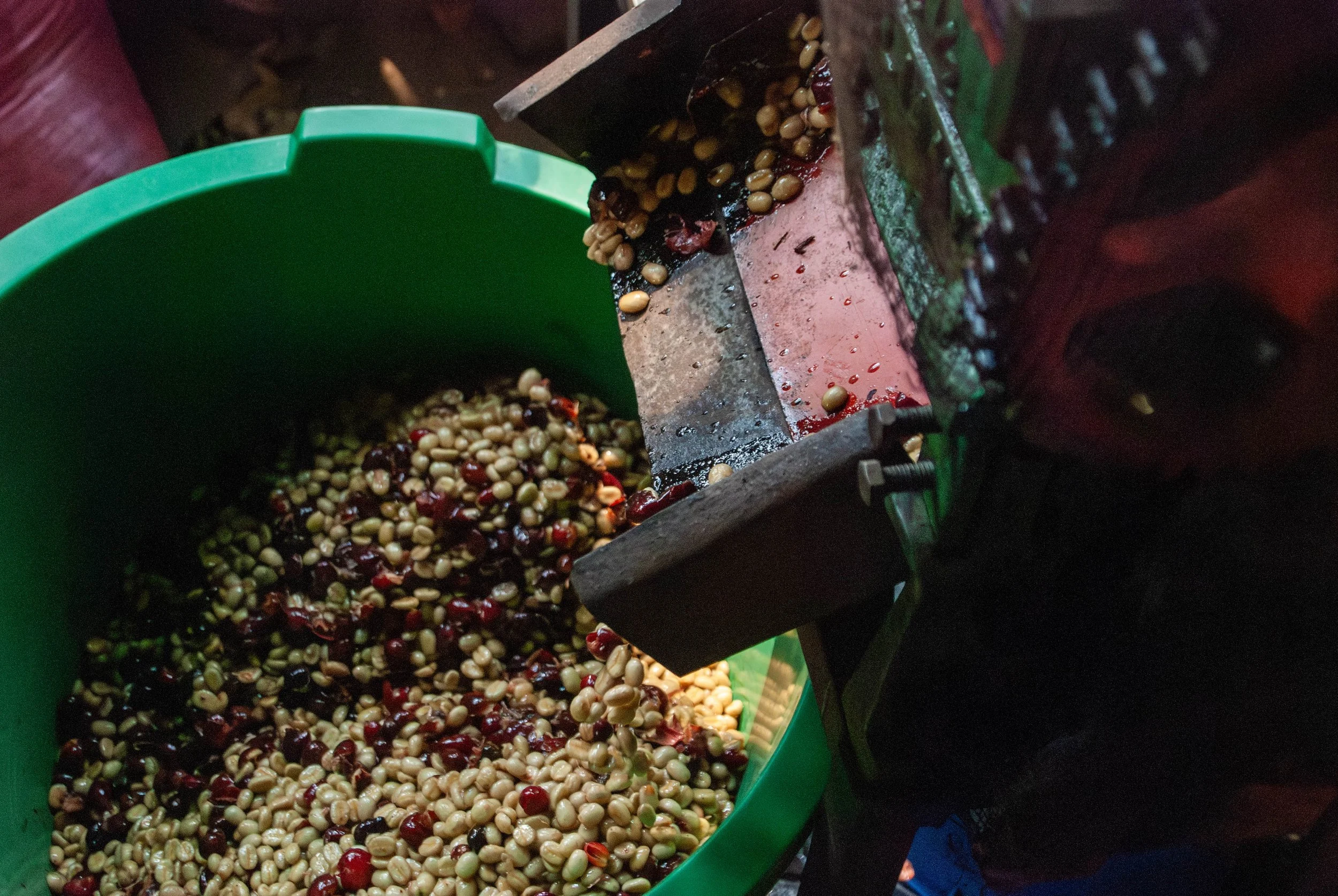
De-pulping stage for washed processed coffee method - one of the most widely used processing methods in the world
Standard Coffee Processing and Experimental Coffee Processing Methods
With a broader understanding of what innovation in coffee is, we can now focus our attention on the details involved in coffee processing and experimental coffee. Coffee processing is the primary stage involved in transforming a coffee cherry into a coffee bean. This step occurs after coffee cherries are harvested from trees and the inner seed or bean is separated from the fruit. Producers use a variety of processing methods, each of which can influence the formation of unique flavor profiles.
Some of the mostly widely used coffee processing methods around the world are some that you may already be familiar with — natural processed coffee, washed processed coffee, and honey processed coffee.
Natural processed coffee is when coffee cherries are dried with the outer layer or skin intact. Cherries are spread out evenly on drying patios or raised beds under the sun for 3 to 6 weeks.
Washed processing starts with coffee cherries being de-pulped using machinery. The inner beans are washed thoroughly and fermented in fermentation tanks or large buckets before drying in the sun for about 7 to 14 days.
Honey processed coffee is a method where the outer layer of skin is removed from coffee cherries but the sticky layer of fruit mucilage is left on the beans when they dry. The honey processing method is more intricate because the sticky coating is more vulnerable to mold, so more intense monitoring and consistent turning is required during the 1 to 3 week drying period.
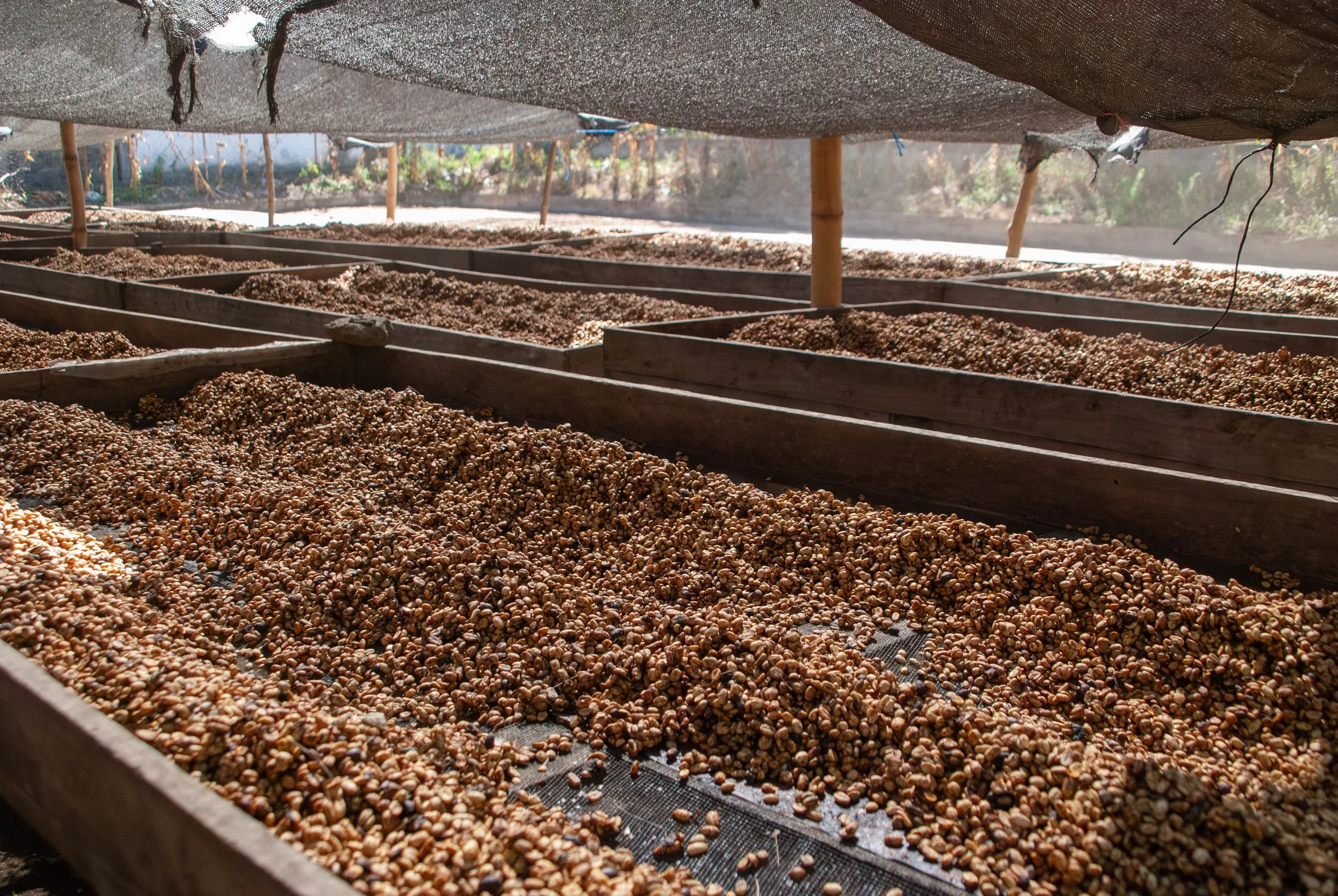
Honey processed coffee during the drying stage
Innovative and experimental coffee processing methods are advancing and gaining popularity. Being more complex methods, they require additional equipment, resources, and investment. Some modern specialty coffee processing techniques include anaerobic fermented coffee, co-fermented coffee processing, and the yeast inoculated coffee process, which allows producers to experiment with and have more of an influence on the development of specific flavors.
Anaerobic Fermented Coffee
Anaerobic fermented coffee is when whole coffee cherries or de-pulped beans are fermented inside a sealed, airtight tank or container. By creating a controlled environment with limited oxygen, fermentation is slowed down and naturally occurring yeasts and bacteria break down sugars differently. The fermentation process can last anywhere between 12 hours and 10 days and requires close monitoring by producers throughout the process.
Co-Fermented Coffee
Co-fermented coffee is processed by combining fermented whole or de-pulped coffee cherries with organic ingredients like fruits or pulps in tanks. Natural yeasts and bacterias feed on both coffee sugars and added ingredients, which creates chemical reactions that form new, unique flavors, or enhance existing ones.
Yeast Inoculated Coffee
The yeast inoculated coffee processing method involves adding specific yeast strains to the de-pulped coffee during fermentation. The yeast strain is a specific variant that holds a unique set of characteristics and traits, which influences how sugars ferment and impact the final product’s flavor, aroma, and speed of fermentation. Fermenting coffee is very closely monitored, so once target profiles and pH levels are reached, the beans are washed and laid out to dry.
How Does Innovation in Coffee Processing Impact Small-Scale Coffee Producers?
Changing consumer preferences and growing demand for high-quality coffee have compelled small-scale coffee producers to explore new ways to enhance production and processing techniques. When necessary resources and support are available, efforts can assist in improving coffee quality and accessing new markets, which also supports generating greater opportunities for their families. Successful experimentation with innovative coffee processing methods can also increase the market value of their coffee. Better cup quality and unique flavor profiles attract niche specialty coffee buyers and creates a differentiating point in the market. However, developing and mastering these skills requires much more than a willingness to respond to changing consumer demand.
Adopting innovative coffee processing methods requires an incredible amount of time and commitment to successfully execute — and with the coffee market constantly evolving according to consumer demand, coffee producers are feeling pressured to keep up with trends while also covering their family’s basic household needs. Coffee processing innovations carry a significant weight on producers, with heavy financial burdens being the largest.
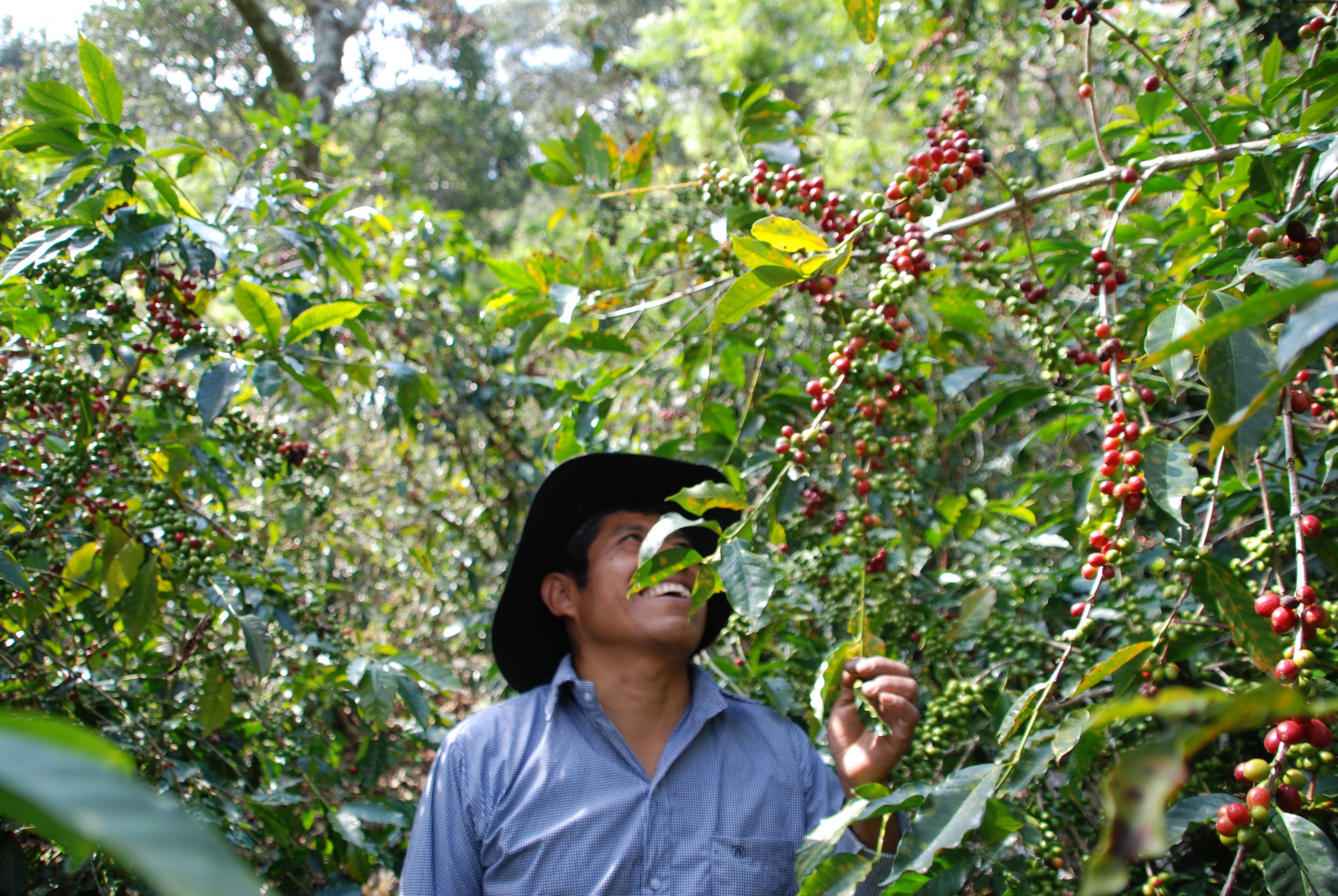
Coffee producer, Arnulfo Cuj, from Ija’tz Cooperative in Atitlán standing amongst coffee trees in Guatemala
Thousands of small-scale coffee producers face knowledge gaps and limited access to scientific and technical support needed to experiment with advanced processing methods. Without access to appropriate training, information, and equipment, keeping up to date with emerging trends is difficult. Experimentation is also associated with an increased risk of failure as many innovative methods require precise and time-intensive control. Any small mistakes in temperature, pH level, or oxygen levels during the anaerobic fermentation method or co-fermentation can ruin an entire batch, resulting in undesirable flavors such as sour, medicinal, or rotten tasting coffee. Specialized equipment like stainless steel tanks, pH measuring devices, and temperature sensors also require a significant investment. Even if substantial funds are available to purchase this equipment, experimental coffee processing requires more labor, which in turn increases operational costs while potentially limiting the volume of coffee they’re capable of processing.
Maintaining Sustainability in Coffee as Innovations Evolve Starts with Prioritizing Coffee Producers
Historically, the coffee industry undervalues the work of coffee producers — with evolving consumer expectations placing pressures on those responsible for aligning with them, their work becomes even more challenging. In our work with small-scale coffee producers in Guatemala, De La Gente recognizes the limitations and realities of producers and their communities, prioritizing their capabilities and needs as innovation evolves. We support the continued investment in knowledge and skills involved in traditional processing methods, including natural, washed, and honey processing. These coffee processing methods remain popular among consumers and continue to be recognized in producing high quality coffee regardless of trends. This demonstrates that innovation does not always mean replacing what’s already successful, it can also mean focusing on enhancing current practices.
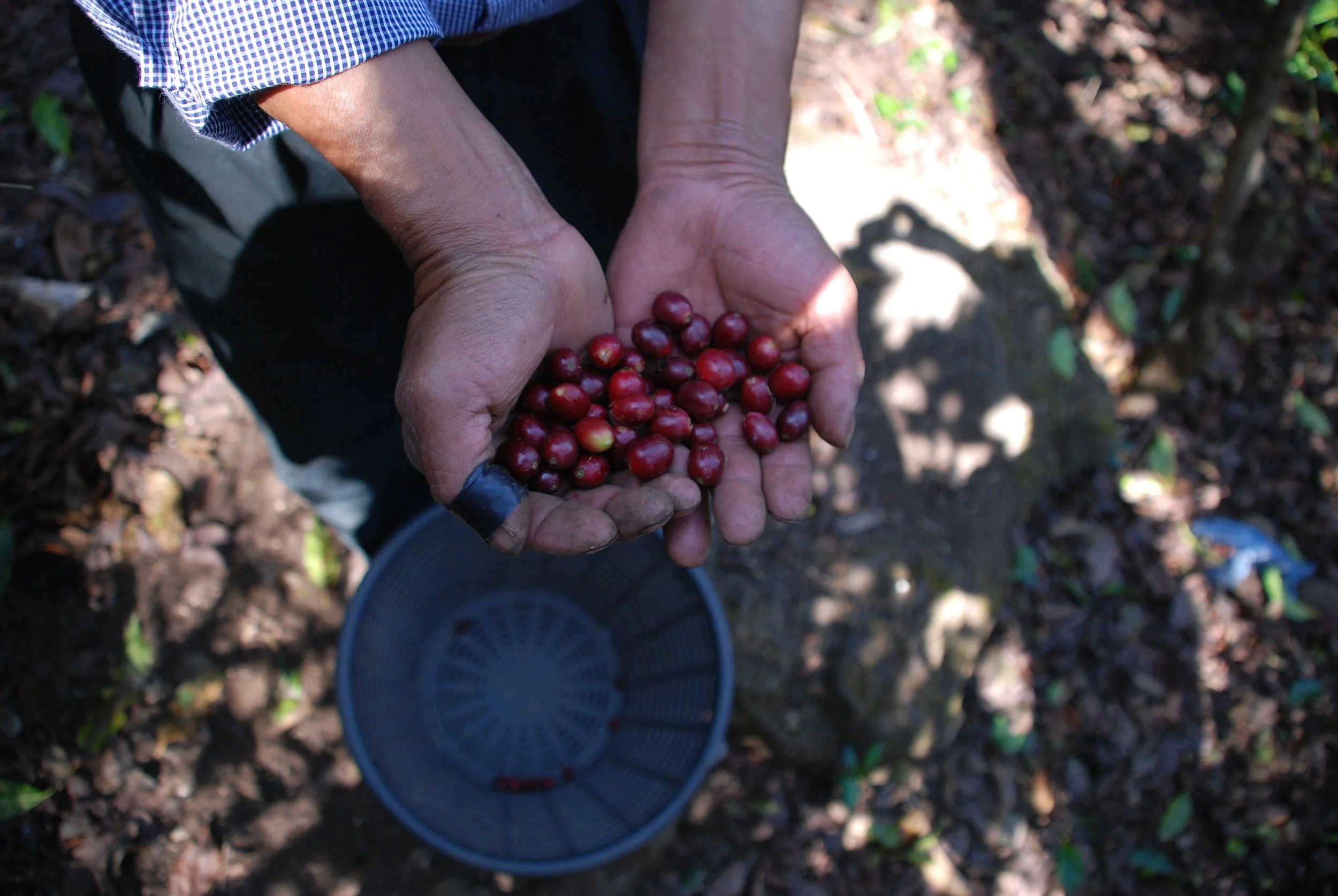
Coffee producer holding harvested coffee cherries within coffee fields in Guatemala
As specialty coffee gains recognition around the world, innovative trends and experimental coffee processing methods are bringing more awareness to what’s possible in the creation of unique flavors and tasting notes. And with this growth, the attention of industry members should be refocused on the intricate steps involved in producing specialty coffee and to value the people who grow it. Before encouraging coffee producers to adopt experimental coffee processing methods in response to evolving demand, it’s important to prioritize their desires, goals, and realities. Understanding producers’ hopes for the future and motivations involved in their work allows innovation to be viewed as an opportunity for producers to engage with the market on their own terms.
For coffee producing communities, coffee represents achieving more than a successful harvest or finding a market to sell their specialty coffee. Coffee provides education for their children, investments in their land or homes, allows them to live comfortably, or secures a more sustainable future within the industry.
Creating sustainability in coffee begins with valuing traditions, needs, and aspirations. As the industry continues to evolve, advancements should be considered alongside the well-being of producers and their families.
